


Guide to the African lion dog (Rhodesian Ridgeback)
The African Lion Dog, also known as the Rhodesian Ridgeback, is a fascinating dog breed that is extremely popular in many parts of the world. The distinctive appearance of this breed is the line of hair
DOGS
10/19/20247 min read
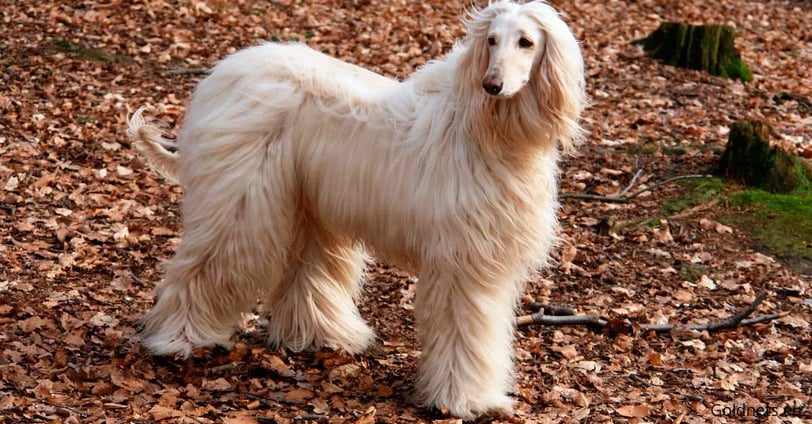
The African Lion Dog, also known as the Rhodesian Ridgeback, is a fascinating dog breed that is extremely popular in many parts of the world. The distinctive appearance of this breed is the line of hair running along its spine, which makes this breed special. This coat line not only represents an aesthetic value, but is also an integral part of the breed's history and functional properties. The lion dog has long been used for hunting and guarding, especially in Africa, where its blood and hunting skills are excellent.
The Rhodesian Ridgeback breed is not only remarkable for its physical appearance, but also for its intelligence, loyalty and independent character. These dogs are famous for their extremely brave nature, and they are also very adaptable, which makes it possible to raise them in a modern environment. These skills make them an ideal choice for those who lead an active lifestyle, but with proper training and socialization they can also be great companions in families.
It is important to emphasize that responsible dog ownership plays a key role in the well-being of dogs. The Rhodesian Ridgeback, like any other breed of dog, deserves proper treatment, training and care. Commitment to dogs does not only mean meeting their physical needs, but also includes mental stimulation, socialization and regular exercise. African lion dogs can be great companions if you train them properly and pay attention to their individual needs.
The history and origins of the Rhodesian Ridgeback, an African lion dog
The Rhodesian Ridgeback, often referred to as the "African lion dog", originated in South Africa by crossing several different local dog breeds. The roots of this breed go back to the 16th century, when Dutch settlers, the so-called "Cap Hollands", mixed them with local hunting dogs and European dogs used for hunting. The primary purpose was to hunt large game such as lions and antelopes, during which the dogs stood out for their endurance and agility.
The Rhodesian Ridgeback is characterized by a thick coat along its back, which gives the animal its unique appearance. This characteristic comes from one of the dogs' lineages, the Khoikhoi dogs, which were also trained for hunting. In African cultures, these dogs earned respect among nomadic tribes, from where the relationship between humans and dogs gradually evolved.
The breed was increasingly recognized in the 19th and 20th centuries for its hunting performance and available loyalty, which was experienced not only in Africa, but also worldwide. The African lion dog was popular not only as a hunter, but also as a family companion, further enhancing dog-related traditions and cultures. Rhodesian Ridgeback values include courage, intelligence and loyalty, which have been preserved for generations, making the breed a popular choice among dog lovers today. The story of the Rhodesian Ridgeback shows how the African public shaped this special breed of dog, which today stands not only as a hunter, but also as a beloved family pet.
Topic recommender
Introducing the Beagle dog breed: Everything you need to know
The Bichon Havanese: The Miniature Miracle of Puppies
Pug Dog Breed: History, Care and Owner Stories
English bulldog: The perfect companion in the family
Miniature Schnauzer: The Ideal Dog Breed For Everyone
Appearance, build, coat
The Rhodesian Ridgeback, also known as the African Lion Dog, has the most outstanding physical characteristics of any dog breed. The coat of this breed is short, dense and hard, which provides excellent protection against various weather conditions. The color of the coat occurs in several shades, typically wheat, i.e. light brown, reddish brown or dark brown, but the appearance of white spots is not very common, so the color of the dogs is mostly uniform.
The Rhodesian Ridgeback has a substantial build that suggests elegance and strength. Males are usually 63-69 cm tall, while females can boast a height of around 60-65 cm. In terms of weight, males range from 36 to 41 kg, while females range from 30 to 36 kg. Such a body structure allows them to move excellently and run at high speed. The muscular body and well-formed coordination contribute to the Rhodesian Ridgeback being an excellent hunting dog, specially developed for the warm climate of Africa.
Another notable feature of the Ridgeback is the strip on its back, which is one of the most characteristic features of the breed. This strip, which runs along the line of the back, emphasizes the dog's uniqueness and distinguishes it from other breeds. Due to these physical characteristics, the Rhodesian Ridgeback is popular not only in our country, but also worldwide among dog lovers who are looking for its sporty yet elegant appearance.
Characteristics and behavior
The Rhodesian Ridgeback, a well-known African lion dog, has several notable characteristics. The temperament of this breed is usually charming, friendly, but at the same time independent, which is due to its origin as an ancient hunting dog. These dogs are loyal to their owners and feel good in a family environment. However, the Rhodesian Ridgeback can be prone to dominance and independence, so consistent training and socialization is important.
His activity level ranges from medium to high. The Rhodesian Ridgeback requires regular exercise, as it is an energetic, athletic dog that needs tiring walks and running combined with games. In addition, it is recommended to spend at least one hour a day in outdoor activity to fulfill his natural hunting instinct and help his mental development. Inactivity can lead to behavioral problems, including destruction.
Their socialization needs are extremely important, especially when they are young. Interaction with other dogs and people during early socialization helps the Rhodesian Ridgeback grow into a balanced and friendly adult. Positive reinforcement and consistent training methods are key when raising them, due to their resistance. During the training, it is worth incorporating varied and enjoyable tasks to arouse their interest and support the learning process.
Health and care
The Rhodesian Ridgeback, like all dog breeds, has specific health needs. Among the most common health risks associated with the breed is dysplasia, which refers to malformations of the hip and elbow joints. It is also important to pay attention to skin problems, as the Rhodesian Ridgeback's skin is often prone to irritations and allergic reactions. The breed may also be prone to certain genetic diseases, such as progressive retinal atrophy and heart disease, so regular veterinary check-ups are recommended.
Proper nutrition is essential to keeping your Rhodesian Ridgeback healthy. Different nutritional needs arise at different ages. In the case of puppies, it is worth choosing food specially designed for puppies, which are rich in protein and nutrients to support their rapid growth. A balanced diet with a sufficient amount of protein and healthy fats is recommended for adult dogs, thus ensuring the right muscles and energy level. Older dogs may need different, gentler foods that pay special attention to maintaining joints and general health.
Proper care is also key. The Rhodesian Ridgeback requires regular exercise, as this breed consists of active, energetic and intelligent dogs. In addition to daily walks and playful activities, the dog must also be mentally stimulated, which is why it is recommended to introduce various trainings and dog sports. A dog's coat should be groomed routinely, preferably with a brush once a week to remove loose hair and dirt. Minerals and vitamins, as well as regular veterinary check-ups, contribute to a long and happy life for the Rhodesian Ridgeback.
Who is it recommended for?
The African Lion Dog, also known as the Rhodesian Ridgeback, is a special breed that is primarily recommended for those with experience in raising and handling dogs. This type makes unique demands, most of which the knowledge and sensitivity gained in practice can help to cope with. Rhodesian Ridgebacks generally want an active lifestyle, so they find common ground best with owners who like to spend time outdoors and regularly exercise or hike. Not only do these dogs have low energy levels, but like their twins, they also require a good half hour of daily walks and play to keep them physically and mentally satisfied.
Furthermore, it is important to mention that Rhodesian Ridgebacks also require considerable attention and care. Owners who are not able to devote enough time to their dog, or who do not have the opportunity to provide suitable programs for their dog, or who may not be experienced in raising a dog, may not be ideal owners of this breed. It is essential for dogs of this breed that their owners are able to provide a stable and consistent environment in which the dogs can develop within a suitable framework.
Overall, African Lion Dogs are an ideal choice for active, experienced dog owners who can grow up to the challenges of this exceptional breed. For those who can spend less time on their dogs or cannot provide them with the attention they need, perhaps they should consider choosing other breeds.
New research, stories and interviews
As a breed, the Rhodesian Ridgeback is constantly evolving and changing, and recent research shows that both the dog's behavior and genetics are influenced by environmental factors. Researchers are paying increasing attention to the hybridization of Ridgebacks and their phenotypic differences, hoping that these discoveries can help guide future breeding practices. New studies focus on screening for health problems such as dysplasia and skin conditions. The aim of these researches is to understand how these problems can be reduced with appropriate breeding practices.
In addition to the new knowledge, we also collected interviews with many successful owners who shared their experiences with the Rhodesian Ridgeback breed. Most of the discussions highlighted the intelligence and learning ability of dogs, which can be extremely useful for owners. According to the farmers' advice, early socialization and consistent training of Ridgebacks are key to the harmonious development of the breed. Several people also reported that regular exercise and mental stimulation are essential for the happiness and well-being of dogs.
Regarding puppies, it is important to emphasize that proper nutrition and the development of a healthy lifestyle begin at an early age. Owners often find that their dogs' temperament and activity level are shaped by experiences gained at a young age. That is why it is recommended to provide puppies with appropriate training and games that help them develop their social skills.
Useful websites:noinet.hu