


Pug Dog Breed: History, Care and Owner Stories
The pug dog breed is an extremely popular and affectionate pet, thanks to its friendly nature and charming appearance, among other things. In recent decades, this dog breed has become the favorite of many owners worldwide, which is not surprising, since pugs have many positive qualities.
DOGS
10/22/20246 min read
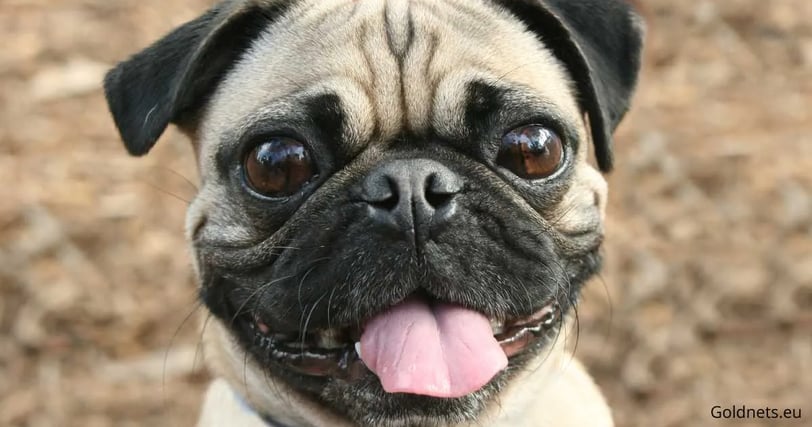
The pug dog breed is an extremely popular and affectionate pet, thanks to its friendly nature and charming appearance, among other things. In recent decades, this dog breed has become the favorite of many owners worldwide, which is not surprising, since pugs have many positive qualities. Getting to know this breed is essential, as the needs and personality traits of pugs may differ from other dog breeds, so it is important that future owners are aware of the specific needs of the pug dog breed.
However, keeping a pug can be challenging, as they require special attention due to their wide nosed anatomy. This body type can increase the risk of respiratory problems, so it is important that we, as owners, carefully choose socialization and training opportunities. In addition, pugs need special care to prevent health problems such as heart and skin diseases. A thorough knowledge of the breed can help owners recognize the warning signs and manage their dog's needs well.
In this blog post, we will present in detail the history of the pug dog breed, its care needs, as well as provide insight into various successful owner stories. In this way, our readers can get a comprehensive picture of the breed and get information about the benefits and challenges a pug can bring into their lives.
The history and origin of the pug dog breed
The history of the pug dog breed goes back thousands of years, and its origins can be traced back to China. Most people believe that pugs appeared in ancient China during the Han Dynasty, where they were raised as royal pets. The popularity of pugs grew rapidly, as their friendly nature attracted attention in addition to their exceptional appearance. This breed was protected by the Chinese emperors, and several legends are attached to them.
In the 1500s, pugs came to Europe when traders brought special fruits and animals from China. Holland was especially famous for keeping pugs, and these animals became favorites of the Dutch royal family. According to archival records, pugs were also favored by various princes and princesses, which contributed to the appreciation and popularization of the breed.
Pugs have served many roles in different cultures, such as companion animals or entertainment pets. Due to the animals' hearts and charming personalities, pugs soon spread among middle-class families, so they were present almost everywhere in Europe in the 18th and 19th centuries. Since then, the pug breed has continued to evolve, and thanks to different breeding practices, there are now many different pug types, all known for their friendly, sociable nature.
Topic recommender
Airedale Terrier: The Proven Expert's Guide
Guide to the African lion dog (Rhodesian Ridgeback)
Afghan Hound: Elegance and exceptional character of the past
Affenpinscher: The Small But Powerful Dog Breed
Abruzzo Shepherd Dog: The perfect companion and working dog
Appearance, build, coat
The external appearance of the pug dog breed is particularly attractive and distinctive, thanks to which it is immediately recognizable. Pugs generally have a compact build with short legs and a muscular body. On average, pugs weigh between 6-9 kg, and their height is 25-30 cm. Pugs have flattened faces with large, round eyes that give them a lively and expressive look. Their noses are short, which enhances the characteristics of the breed.
The breed is characterized by two basic coat colors: black and tan. Tawny specimens usually wear a blackish mask on their face, while black pugs have completely black fur. The texture of the fur is short and smooth, pleasant to the touch, which has not only aesthetic but also functional significance: it is easier to care for and less hair is shed in the apartment.
In terms of the external appearance of a healthy pug, regular grooming is essential. The skin of pugs can be sensitive, so constant bathing or the use of harsh soaps should be avoided. The animal's fur should be combed once a week to eliminate dirt and hair impurity. Care must also be taken to properly clean the pug's characteristic wrinkles and skin folds, as dirt and moisture can accumulate here, which can cause skin irritation. In order to ensure the appearance and health of pugs based on breed standards, regular veterinary checks play an important role.
Characteristics and behavior
The character and behavioral characteristics of pugs are extremely unique. These small dogs, characterized by both a friendly and loyal nature, often become family favorites. The temperament of pugs is typically balanced and affectionate, which evokes their attachment to people. Their activity level is medium, which means that they like to spend time with the family, but they also tend to be lazy.
Socialization plays a key role in the development of pugs. It is important that they interact with different people and other animals from a young age. This promotes friendly behavior and reduces shyness. Getting the right socialization experiences helps Pugs behave confidently and poised in new situations.
It is recommended to use positive reinforcement methods when training pugs. Since they are an intelligent dog breed, they quickly learn basic commands, but it is important to be patient and consistent during training. In addition to obedience, it may be advisable to include creative and fun tasks in the learning process, as this way the dogs are more willing to participate in the exercise.
Their reactions to different situations are fundamentally different from those of other dog breeds. Pugs are generally friendly towards acquaintances and rarely show aggression. These characteristics make them ideal family dogs, as they can easily bond with children and other pets.
Health and care
In the case of the pug dog breed, there are many health risks that are very important for owners to take into account. One of the most common ailments pugs can face is respiratory problems, which are a result of their flat face shape. These include brachycephalic respiratory syndrome, which can cause breathing difficulties in severe cases. Regular veterinary check-ups help to recognize and treat these problems in time.
In addition, pugs are prone to certain skin conditions such as allergies and skin infections, especially those who are overweight or poorly groomed. In the care of pugs, regular brushing and bathing of the coat is extremely important, as this helps prevent skin irritation and infections.
Nutrition also plays a key role in keeping pugs healthy. Choosing the right dog food depends on their age, activity level and general health. Special, nutrient-rich foods are recommended for puppies, while for adult and older pugs, it may be necessary to reduce protein and fat intake in order to avoid overweight.
Daily dosage recommendations generally include 1-2 cups of nutritious, high-quality dog food, which should be adjusted according to the dog's activity level. In addition to providing proper nutrition and regular exercise, consultations with a veterinarian help maintain the health of pugs. Knowing all this, owners can take care of their pug responsibly, which can result in a long, happy and healthy life for them.
Who is the pug dog breed recommended for?
The pug dog breed can be an ideal choice in various life situations. This breed of dog can be used in many ways: it is an excellent companion for families, but it is also great for the older age group. In families, the loving and playful nature of the pug can help strengthen the bond between children and parents. This breed of dog tolerates children's enthusiasm and is happy to participate in common games, but at the same time, it is necessary to ensure that the children treat the dog with respect.
The pug can also be a suitable pet for the elderly, as its size and energy requirements allow it to live in a smaller apartment. Due to its low movement requirement, everyday walks and minimal playing time are sufficient to maintain movement. The sociable nature of the pug can reduce feelings of loneliness, making it an ideal choice for the elderly.
Even city dwellers can enjoy the company of a pug. These dogs are adaptable and do well in dense urban environments as long as they are given enough attention and exercise. However, it is important to consciously choose the right time to air them, especially on hot days when pugs can be prone to heat stress.
Before getting a pug dog, you need to consider the commitment and responsibility that this decision entails. Pugs require love, care and attention, so it is essential that future owners prepare for a long-term bond with them.
New research and successful business stories
In recent years, research on the pug dog breed has shown significant progress, especially in the areas of health problems, nutrition and care. Scientists are focusing on better understanding the typical health of pugs, which is particularly important because of their genetic makeup and breathing problems. The new findings show that proper nutrition and regular veterinary examinations are key to keeping dogs healthy.
Best practices related to the general well-being of pugs are also receiving more and more attention. Many studies emphasize the importance of physical exercise and mental stimulation, which can help avoid boredom and related problems in puppies. Owners should take this research into account and apply it to their dogs' daily routine.
Successful owner stories can also be inspirational for future pug owners. Countless owners have shared their experiences on how to keep their pug dogs happier and healthier. Emotional attachment, regular and appropriate care and occupation are the keys to the well-being of pugs. These stories often emphasize that dogs need attention and love from their owners in order to improve their behavior and health.
These recent researches and interviews provide authentic information that can help prospective pug owners make the right decisions, contributing to a happy and successful life for their dogs.
Useful websites:noinet.hu