


Miniature Schnauzer: The Ideal Dog Breed For Everyone
The Miniature Schnauzer is an exceptional dog breed with many traits and characteristics that make it an ideal choice for both families and singles. There is no doubt that during my almost 20 years of expertise, I have gained many interesting things and experiences with these popular breeds of dogs.
DOGS
10/22/20246 min read
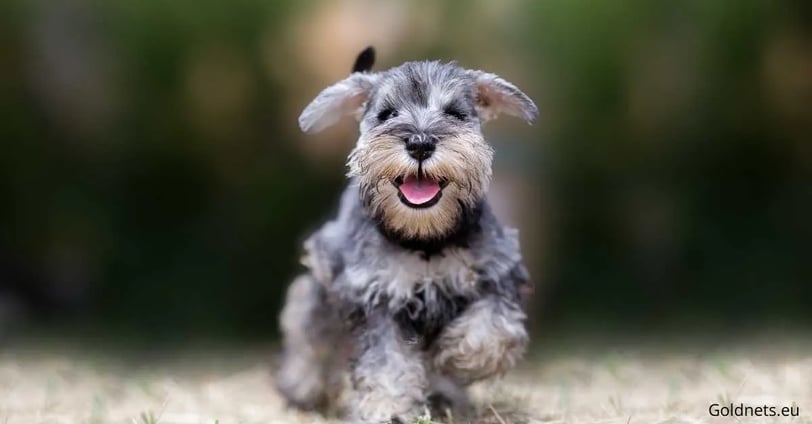
The Miniature Schnauzer is an exceptional dog breed with many traits and characteristics that make it an ideal choice for both families and singles. There is no doubt that during my almost 20 years of expertise, I have gained many interesting things and experiences with these popular breeds of dogs. Miniature Schnauzers are known for their friendly nature, heightened intelligence, and extreme adaptability that allow them to thrive in a variety of environments and lifestyles.
In this article, we present in detail the characteristics of the miniature schnauzer, its housing needs, and the most important aspects that should be taken into account if someone wants to choose this breed. Miniature Schnauzers are not only loving and loyal companions, but also provide significant health benefits when properly trained and cared for. For many owners, miniature schnauzers are the ideal dog, thanks to their energetic personality and protective instinct.
In future sections, we will deal in detail with the breed's health and education, as well as providing the right environment so that miniature schnauzers can live a happy and balanced life. The purpose of this article is to provide valuable information to all interested parties, and also to offer help in making the right decision in the field of dog training and keeping.
Breed History and Origin
The miniature schnauzer, with its unique appearance and friendly nature, has a history of more than a hundred years. The origin of the breed goes back to the end of the 19th century, when it was created by crossing larger schnauzers. The miniature schnauzer appeared mainly in the Bavarian countryside of Germany, where farmers were looking for a small, alert and intelligent dog that would do well in an agricultural environment, especially for rodent control. In addition to the protection of the ancient schnauzers, flat, Marquis-style dogs also influenced the development of the breed.
The breed has been shaped by different breeding directions over the decades. Breeders tried to preserve the characteristic appearance of the Miniature Schnauzer while improving its temperament and health. It became especially popular in the 1930s, when it was increasingly seen as a family dog rather than just a working dog. Various exhibitions were also organized during this period, which contributed to the popularization of the breed.
Historically, the Miniature Schnauzer is also associated with various German cultures and traditions, as it has entered the hearts of many with its appearance and behavior. As a result of the industrial revolution, as the urban lifestyle spread, the demand for small dogs also increased. The miniature schnauzer quickly became popular among city dwellers as it was a small but loyal friend to people. Over the years, the breed's reputation has grown worldwide and is now popular in many countries. The miniature schnauzer is therefore not only a breed of dog, but also a creature with a rich history and culture.
Topic recommender
Airedale Terrier: The Proven Expert's Guide
Guide to the African lion dog (Rhodesian Ridgeback)
Afghan Hound: Elegance and exceptional character of the past
Affenpinscher: The Small But Powerful Dog Breed
Abruzzo Shepherd Dog: The perfect companion and working dog
Appearance, Body Structure, Hair
The miniature schnauzer's charming appearance and characteristic body structure are considered one of its most important attractions. Dogs of this breed are on average 30-36 centimeters tall and weigh between 4-9 kilograms. These sizes make them ideal for apartment keeping, while having enough energy to be lively and active companions to their owners.
Miniature Schnauzers have a thick, hard and wiry coat that protects them from environmental influences. There are two types of shed hair: long outer hair and soft undercoat. This duality improves not only their appearance, but also their ability to regulate heat. The color of the coat can be varied, black, pepper and salt and white shades are common. Each color gives different characteristics to the breed and contributes to the different appearance of the dogs.
In addition, the appearance elements of miniature schnauzers, such as a thick beard and pronounced eyebrows, are particularly eye-catching. These two characteristics are not only attractive from an aesthetic point of view, but also an important factor in the dog's appearance, which highlights its character and charm. The unique face of these types of dogs also reflects their intelligence and diversity of character, so it is no wonder that they sneak into the hearts of many.
Characteristics and Behavior
The miniature schnauzer is an energetic and lively dog breed that is a pleasant companion for families. These dogs form a close relationship with their owners, which is particularly important for their socialization. Miniature Schnauzers are generally friendly and playful, but they can have a tendency to defend their territory, which can be beneficial when they double as house guards.
Their activity level is medium, which means they need daily walks and playtime. These animals enjoy exercise, and regular exercise helps maintain their health and happiness. Because they are intelligent dogs, Miniature Schnauzers respond well to training, and different age groups require different approaches. Puppies should be given time for socialization, while in the case of adult dogs, more advanced commands and tasks can also be introduced.
It's important to note that for miniature schnauzers, positive reinforcement and patience are key to learning. This not only helps the dog to learn commands, but also promotes the development of mutual trust between owner and dog. During their socialization, it is recommended to take them to different environments, among other animals and in the company of people, so that they become more adaptable and develop their communication skills. The miniature schnauzer can be an ideal choice for anyone who wants an active and interactive companion.
Health and Care
The miniature schnauzer, like all dog breeds, has special health risks that owners should be aware of. The most common diseases include hypothyroidism, joint problems and skin diseases. In order to prevent these problems, regular veterinary examinations and appropriate vaccinations are necessary. It is important for owners to know the specific health problems of the breed, as their timely diagnosis and treatment can significantly improve the dog's quality of life.
The nutritional needs of miniature schnauzers change with the stages of their lives, so it is important that owners choose foods with the right nutritional content. Puppies need nutrients rich in protein to help them grow and develop. As dogs age, the ingredients of the food may change, taking into account the needs of joint problems or weight management. Adequate vitamin and mineral intake is key, as it helps prevent vitamin deficiency conditions.
Grooming needs also play a significant role in the health of the Miniature Schnauzer. Regular bathing and combing is not only aesthetically important, but also plays a key role in maintaining the health of the skin and coat. In addition, dogs need sufficient exercise and mental stimulation, which helps prevent obesity and many behavioral problems. Owners must pay attention to the dog's general well-being so that their miniature schnauzer can live a long and happy life.
Who is the Miniature Schnauzer Recommended for?
The Miniature Schnauzer is a versatile and lovable dog breed that can fit in with many different owners. It is primarily recommended for those who lead an active lifestyle and are looking for a loyal companion who lives with them as a true social dog. These dogs are energetic, playful and happy with daily walks, playtime and mental stimulation. They are ideal for those who value an audience with their dogs and are willing to take the time to train and socialize them.
In addition, miniature schnauzers adapt well to different living spaces. Whether it is a family house or an apartment, this breed does not require a lot of space, but it needs daily movement all the more. Those who live in urban environments do particularly well, as their small size makes them easy to handle in various traffic situations and they don't require a huge yard.
It is important to mention that miniature schnauzers also require the commitment of their owners. The dog needs not only physical but also emotional support. This breed is especially recommended for owners who can spend a lot of time with their dog and want to make him part of the family. Miniature schnauzers are smart and love to learn, so the bond they form only grows stronger as they spend time together. The right commitment, energy and love can make the Miniature Schnauzer ideal for everyone.
New Research and Stories Interviews
The miniature schnauzer occupies a unique place among dog breeds, and in recent years, many researches and trends have emerged that have revealed new information about the breed. New studies are focused on understanding the genetic and behavioral characteristics of this affectionate and intelligent dog breed. Researchers are increasingly discovering the importance of miniature schnauzer socialization and training, as well as methods to promote the healthy development of growing dogs.
In recent interviews, breeders and researchers shared their experiences. Many breeders have emphasized that the miniature schnauzer's agility and thirst for play are of outstanding importance in the dog's life. The researchers also encourage that this breed is not only intelligent, but also extremely adaptable, which helps its owners integrate smoothly into everyday life.
Recent research has also shown that these dogs are prone to certain health problems. In the case of miniature schnauzers, understanding genetically inherited diseases such as cataracts and hypothyroidism can help breeders and veterinarians mitigate the risks. In addition, during breeding, the socialization and mental state of the dogs must be taken into account, since the key to their long, happy life is balance and the appropriate management of environmental stimuli.
Useful websites:noinet.hu