

The Dwarf Poodle: The Little About the Dog Breed
The dwarf poodle is extremely popular among dog breeds, which impresses not only with its attractive appearance, but also with its intelligence and friendly nature. These small, energetic dogs are characterized by their rich, curly fur, which comes in many colors and patterns.
DOGS
10/22/20246 min read
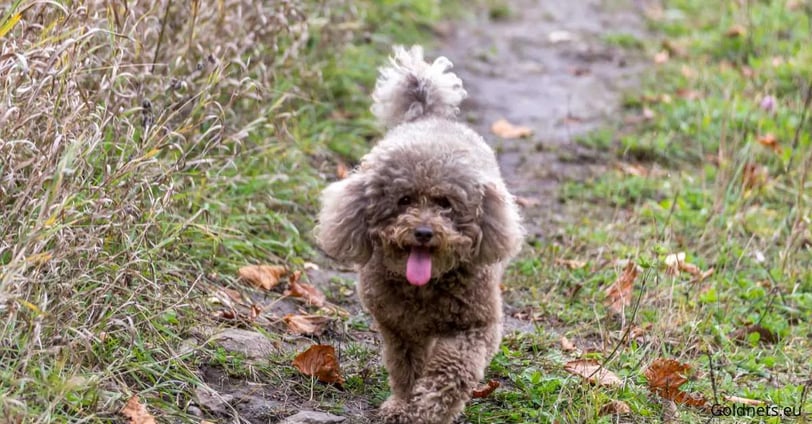
The dwarf poodle is extremely popular among dog breeds, which impresses not only with its attractive appearance, but also with its intelligence and friendly nature. These small, energetic dogs are characterized by their rich, curly fur, which comes in many colors and patterns. The size of miniature poodles, which varies from about 28-35 cm, is perfect for keeping in an urban environment, but at the same time they need enough space to move and play.
This breed is not only aesthetically pleasing, but also exceptionally intelligent. Miniature poodles learn quickly, so they pose serious challenges to their owners. The time and energy spent on training the dogs will pay off, as thanks to the ingenuity of the miniature poodle, many tricks and tasks can be learned. In addition, due to their friendly and sociable nature, they are ideal family dogs, who are happy to participate in the daily life of the family, whether it is a walk or playing at home.
It is important to mention that the socialization of the dwarf poodle is of outstanding importance. Their early experiences help dogs develop into balanced and friendly individuals. Dealing with them is not only joyful, but also useful for the dog's general well-being. The dwarf poodle is therefore not only a beautiful dog, but also a loyal companion that we can always count on in life's various challenges. By getting to know this breed better, we try to get as much out of them as possible, both as companions and as pets.
Breed history and origin
The history of the miniature poodle is closely intertwined with the past of the larger poodle breeds. The origins of poodles can be traced back to the 14th century, and they specialized in water hunting, hunting with fangs in water. At first, they appeared as larger dogs that could swim and catch game, while later in breeding their smaller size and friendly personality came to the fore. The development of the miniature poodle began at the end of the 18th century, when breeders aimed to create smaller versions of the larger poodles.
English, German and French breeders all contributed to the development of the Miniature Poodle by crossing different breeds of dogs, which increased the breed's diversity and gene pool. Both the mental and physical characteristics of miniature poodles have evolved to adapt to different breeding lines. In the early days, miniature poodles served primarily as companion animals and became popular among the nobles because of their refined appearance in addition to their pleasant company.
By the 20th century, the miniature poodle was no longer just a fashionable puppy, but also grown up to meet the requirements of various dog competitions. The strict breeding standards of this breed were developed, which promoted a characterful appearance and a desirable temperament, so today the miniature poodle is one of the most popular small dog breeds, which is very popular not only among family members, but also among dog lovers.
Topic recommender
Hungarian Greyhound: The Perfect Companion and Sport Dog
Tibetan Terrier: A Special Dog Breed in All Aspects
Italian Greyhound: Everything you need to know about this fascinating breed
Lagotto Romagnolo: Everything you need about the dog breed
Samoyed Dog Breed: Everything Worth Knowing
Appearance, build, coat
The dwarf poodle, as one of the smallest members of the poodle family, has a special appearance. Its average body height is around 28-35 cm, while its weight is usually between 3-5 kg. These small, well-proportioned dogs have strong musculature, which provides them with adequate mobility and agility. Their heads are rounded, their noses are sharp, and their eyes are lively and expressive, which is an essential part of the dwarf poodle's character.
The miniature poodle's fur is thick and curly, protecting it from various weather conditions. The fur type is hypoallergenic, which makes this breed suitable for owners with allergies. Its color types are varied, the most common shades include white, black, chocolate brown, gray and cream. In addition, individuals with some kind of pattern are also popular, such as dogs with spotted or variegated fur.
Caring for the coat is extremely important, as the miniature poodle's coat tends to tangle, so regular combing is necessary. Proper grooming not only improves the appearance of the dog, but also contributes to its health, preventing skin irritation and other problems. Trimming every three months helps maintain the proper length and health of the coat. Grooming is therefore essential not only from an aesthetic point of view, but also from a health point of view for the dwarf poodle.
Characteristics and behavior
As a breed, the Miniature Poodle is considered an extremely intelligent and energetic dog. Due to its temperament, it functions as an excellent social dog and is loyal and loving towards family members. His activity level is high, so daily exercise and mental stimulation are essential for his well-being. Regular walks, games and interactive tasks help to channel his energetic nature. The Miniature Poodle needs activity and if it doesn't get it, it can be prone to destructive behavior that is the result of boredom or pent up energy.
His socialization needs are also significant. Starting from a young age, the dwarf poodle should meet different people, other animals and different environments. In this way, your adaptability can be developed and you will be able to respond amicably to various stimuli. If proper socialization is neglected, it can be prone to anxiety and inhibitions, which can lead to problematic behavior later on.
Training the miniature poodle is usually easy due to its high intelligence. He is a quick learner and this willingness to learn must be used in order to bring him up correctly. The use of methods based on positive reinforcement is recommended, as the breed is sensitive to punishment. Introducing varied and fun exercises helps to maintain motivation and keep the dog happy. It is important that the owner be patient and pay special attention to the individual personality of the miniature poodle, as each dog has different needs and selective learning preferences.
Health and care
Miniature poodles, like all dog breeds, can face certain health risks and typical diseases. Among the most common problems specific to the breed are eye conditions such as cataracts and retinal atrophy, which can affect a dog's vision. In addition, skin problems and allergies can also occur, which are often triggered by environmental factors or food allergens. In addition, joint problems related to the breed, such as hip dysplasia, can also appear, it is necessary to take into account the proper nutrition and activity of the dogs in order to prevent them.
Regular veterinary check-ups are essential to maintain health. These checks provide an opportunity for early diagnosis and the implementation of preventive measures. Annual vaccinations and deworming programs recommended by veterinarians also contribute to maintaining the health of the dwarf poodle. Proper nutrition, which includes a balanced nutrient intake, is also key to maintaining good health. Care must be taken to avoid being overweight, as dogs of this breed may be prone to gaining weight, which can lead to various health problems in the long run.
It is important that owners pay attention to their dog's behavior and report any unusual signs, such as fatigue, loss of appetite or difficulty moving, to the veterinarian immediately. Early detection and treatment play a significant role in ensuring that the miniature poodle lives a healthy and happy life.
Nutrition: needs and supply
The health and vitality of the dwarf poodle is closely related to proper nutrition. The nutritional needs of these types of dogs change at different stages of their lives, so it is important for owners to be aware of these needs. Puppies, young dogs and adult dogs require different levels of nutrients for optimal development and health.
For puppies, increasing your nutrition and calorie intake is key, as they need high-energy foods to help them grow. Your puppy's nutritional needs include providing the right amount of protein, fats, vitamins and minerals. These substances provide them with the necessary energy, thereby ensuring their healthy muscle and bone development.
Young miniature poodles need food with a slightly reduced calorie content, but still rich in nutrients. Here, maintaining the amount of protein and optimally regulating the ratio of fats is key for optimal development in adulthood. In the case of adult dogs, the energy content of the food must be monitored regularly, as a high-calorie diet similar to that of puppies is no longer necessary.
In addition to food, dogs also need fresh drinking water, which must be provided to them on a daily basis. By ensuring proper nutrition, the miniature poodle's health and quality of life can be significantly improved, thus contributing to an increase in the number of years of life.
Who is the dwarf poodle recommended for?
The Poodle can be an excellent choice for different families and lifestyles. Due to their intelligent, curious nature, these dogs easily adapt to different environmental conditions, be it urban or rural living. For those who live an active life, this breed can be an ideal companion, as the miniature poodle can handle exercise and mental challenges well.
Another advantage is that the dwarf poodle gets along well with other pets, so it is also a suitable choice for families where other dogs or cats already live. The socialization needs of this breed are also relatively low; if these dogs are regularly introduced to other dogs and people when they are young, they grow up to be extremely friendly and well-socialized dogs.
The dwarf poodle is especially recommended for older individuals or couples, as its size and character allow the dog to live comfortably in smaller apartments. The dog's mobility needs are minimal, all while enjoying short daily walks in the company of its owner, which strengthens the bond between them.
All in all, the Miniature Poodle is an ideal choice for those looking for an active, friendly and sociable dog and want a breed that adapts to both their family's lifestyle and their environment.
Useful websites: noinet.hu