


Samoyed Dog Breed: Everything Worth Knowing
The Samoyed dog breed is an outstanding and popular choice among dog lovers, which attracts attention not only with its imposing appearance, but also with its friendly nature.
DOGS
10/17/20246 min read
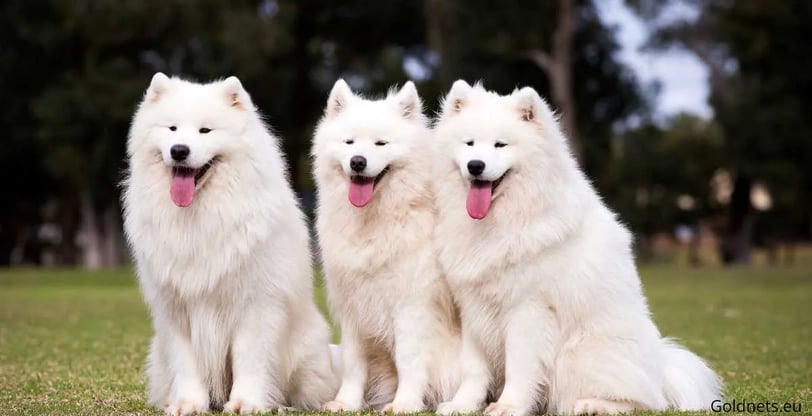
The Samoyed dog breed is an outstanding and popular choice among dog lovers, which attracts attention not only with its imposing appearance, but also with its friendly nature. This breed was mainly bred by the ancient Samoyed people living in Northern Europe, who kept dogs not only as pets, but also as loyal helpers and companions. The Samoyed dog breed was bred for sheep herding, pulling and working in cold climates, and is now widespread in many parts of the world as a family dog.
Among the special features of the Samoyed dog breed, it is worth mentioning its incredible loyalty, docility and affection for children, which makes it especially attractive for families. This dog breed can quickly adapt to different living conditions, which also contributes to its popularity. The purpose of our article is to give a more comprehensive picture of this special breed and provide insight into the most important aspects of keeping and caring for Samoyeds.
In the following sections, we will present in detail the characteristics, health issues, education and socialization of the Samoyed dog breed, as well as the most suitable feeding habits. If you are interested in the world of Samoyeds and want to know more about this wonderful breed, you should follow our article to learn about the adventurous life of Samoyeds and discover how they can become our best friends in our everyday lives.
The history and origin of the Samoyed dog breed
The Samoyed dog breed, which is one of the best-known representatives of snow-covered landscapes, originates from the culture of the Samoyed people in the northwestern part of Siberia. These sled dogs have been an integral part of the local folk culture for centuries and have been indispensable companions in people's lives. The Samoyeds traditionally used these dogs not only to overcome the difficulties of snow and ice, but also for shepherding and guarding the accumulated food.
The early Samoyed dogs, which were the direct predecessors of today's breed, adapted to harsh climatic conditions mainly through their woolly coats. These dogs had extraordinary tirelessness and endurance, qualities that are still characteristic of the Samoyed breed. The Samoyed people intensively strove for nuanced breeding of dogs, thereby developing their benevolent, friendly and loving character traits.
The breed was discovered by breeders in the Western world at the end of the 19th century, when the first Samoyed dogs were introduced in the United States and England. At that time, people began to keep them not only as working dogs, but also as family pets, and thus Samoyeds became not only special companions for cold climates, but also indispensable members of modern, loving households. The Samoyed dog breed defines the rich history of the bond between man and dog, not only by the form of keeping, but also by the culture and the close relationship between owner and dog.
Topic recommender
The Labrador Retriever: The perfect and family favorite
The German Shepherd: Everything You Need to Know About It
Golden Retriever: Introducing the perfect dog breed
Yorkshire Terrier: Everything You Need to Know Friend
Appearance, build, coat
The Samoyed dog breed immediately attracts attention with its special appearance and attractive body structure. A typical characteristic of these dogs is the medium size, where males usually have a height of 57-60 cm, while females have a height of 53-56 cm. Their weight ranges between 20-30 kg, based on which Samoyeds have a strong, muscular body structure, which enables them to perform various demanding activities.
An indispensable external characteristic of Samoyed dogs is their beautiful, double-layered coat, which consists of hard, straight hairs and soft undercoat. The coat can be white, cream-colored or in other shades of hair, with a different pattern, which makes this breed special and unique. It is particularly important to pay attention to the care of the coat, as Samoyed dogs shed a significant amount of hair during the shedding period. Regular combing and bathing are recommended to maintain the health of the coat.
The Samoyed breed also has a distinctive face, with a wide, friendly expression and sweet, dark eyes that reflect the dogs' kind nature. The shape of the dogs' ears, which are slightly upturned, also contributes to the breed's characteristic charm. However, variations in coat color and structure can occur and can be important considerations in breeding. Overall, the appearance and body structure of Samoyed dogs make them ideal companions for those who want to explore nature outdoors with their pups.
Characteristics and behavior
The temperament and behavioral characteristics of the Samoyed breed make this dog particularly attractive to owners. These dogs are famous for their friendly and direct nature, which helps them to easily fit into a family environment. Due to their tendency to lead an active lifestyle, Samoyeds require regular exercise. They need several hours of walks and play every day, so owners must prepare for active joint programs.
The socialization needs of Samoyeds are also significant. At a young age, exposure to different environments and other animals is of utmost importance, as this helps to alleviate the anxiety that arises and prevents the development of fearful situations. Accustoming young dogs to different stimuli is essential, as the Samoyed likes to interact with other dogs and people even as an adult.
Training requirements for Samoyed dogs may differ slightly. Although they are intelligent and easy to learn breeds, they tend to be stubborn at times. It is therefore important that farmers take a consistent and patient approach to training. Positive reinforcement methods, such as rewards, can be particularly effective for Samoyeds. Training with the right names and commands can help strengthen the bond with the dog and help develop a well-behaved, happy adult Samoyed.
Health and care
The Samoyed dog breed has a number of health risks that owners should pay attention to. One of the most common problems Samoyeds can face is hip and elbow dysplasia. These genetic disorders can cause significant pain and limited mobility in the dog, so regular veterinary check-ups are important. In addition, eye problems such as cataracts and progressive retinal atrophy are also common in this breed, so eye exams are essential to keeping your Samoyed healthy.
Proper feeding of Samoyeds is also key to maintaining their health. When choosing food for dogs, their age, activity and state of health must be taken into account. For puppies, foods rich in protein and nutrients promote growth and development. For adult Samoyeds, it is worth providing a balanced diet that contains the right amount of fat, protein and carbohydrates. In the case of older dogs, calorie and nutrient requirements may decrease, so the diet should change accordingly.
Caring for Samoyed dogs also plays an important role in maintaining their health. Regular exercise not only improves their physical health, but also helps with mental stimulation. Dogs' coats especially require regular brushing to prevent tangles and to reduce shedding. It is important that owners pay attention to the needs of Samoyeds and provide them with the right living conditions so that they can live a happy and healthy life.
Who is the Samoyed recommended for?
The Samoyed dog breed has unique characteristics that make special demands on their potential owner. It is primarily recommended for active, loving families who are able to dedicate enough time and energy to the education and employment of the dog. Samoyeds are extremely smart and playful, which is why they feel especially good when they can spend their free time with their owners, whether it's walking, running or playing some kind of board game.
The ideal owner who chooses a Samoyed usually leads an active lifestyle and has enough space for the animal. Samoyeds not only crave outside activities, but also need mental stimulation. Engaging in tasks and tricks can help them avoid boredom and feelings of loneliness. Owners who can include their dog in their daily activities can enjoy the Samoyed's friendly nature and mutual love.
Keeping a Samoyed also fits well into a family environment, as it is extremely child-friendly and affectionate. Families who have enough patience and love to raise such a dog can have rich experiences. The Samoyed is a faithful companion for the whole family, and the beneficial effect of the companionship of the dog breed extends not only to the quality of life of children, but also of adults. In the company of Samoyeds, family bonds can be strengthened and shared experiences can make everyday life more colorful.
New research, stories and interviews
The latest research concerning the Samoyed dog breed covers a wide spectrum, starting from the identification of health problems typical of the breed, up to the study of socialization patterns. The latest project of the Austrian Academy of Sciences examines the genetic background of Samoyeds, paying special attention to the prevention of hereditary diseases of the breed, such as hip dysplasia and heart disease. The aim of the research is to provide guidelines for breeders, which can contribute to the development of healthier Samoyed bloodlines.
The interviews we conducted with experienced owners and research experts often emphasize the extremely sociable nature of Samoyeds. The owners shared their experience that this breed of dog needs close contact and regular mental stimulation, which helps prevent behavioral problems caused by boredom. It is also important that Samoyeds can run and play enough, as they need several hours of exercise every day due to their energetic nature.
Proper socialization and early education are essential when caring for puppies, because these young animals are able to adapt to different environments and social relationships. The interviewees also pointed out that gentle, positive reinforcement methods should be used when training puppies, as Samoyeds are particularly sensitive to emotional impulses. Taking these recent researches and experiences into account, future Samoyed owners can be more prepared to start raising this special breed of dog.
Useful websites: noinet.hu