


The Transylvanian hound: our loyal companion
Among dog owners, there is a wide selection of different breeds, but the Transylvanian Hound occupies a prominent place in this range. This breed is not only a loyal companion, but also has many special characteristics that contribute to the recognition and popularity of the canine community.
DOGS
12/1/202412 min read
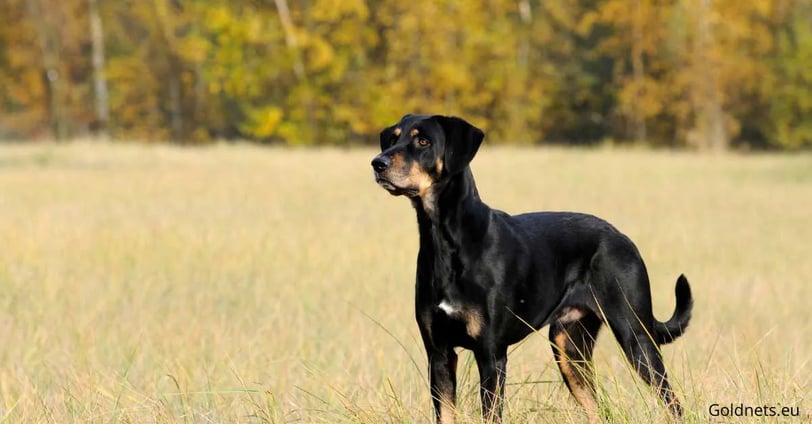
Among dog owners, there is a wide selection of different breeds, but the Transylvanian Hound occupies a prominent place in this range. This breed is not only a loyal companion, but also has many special characteristics that contribute to the recognition and popularity of the canine community. The Transylvanian hound has deep roots, as it was developed in our country, in Transylvania, and has been working alongside people for centuries. This special breed of dog has long been recognized as a brave and persistent helper, which shows not only in hunting, but also in family life.
One of the main attractions of the Transylvanian Hound is its balanced personality and affectionate nature. These dogs are extremely curious, intelligent and have a tendency to learn, which makes it easier for dogs to bond with their owners. The Transylvanian Hound becomes a member of the family as a protective and entertaining companion, so it is not surprising that many dog owners choose this breed. In the following sections, we will thoroughly examine the specific characteristics of the Transylvanian Hound, the ideal living conditions that must be provided for them, and the challenges associated with the breed. With this information, we can form a more favorable picture of why it is worth choosing this breed and how to ensure a happy life together between owners and dogs. The Transylvanian hound, as our faithful companion, holds many sources of joy for us, which we can discover in the further parts of this article.
Breed history and origin
The faithful Transylvanian hound, one of the most outstanding representatives of Transylvanian dog breeds, has a rich historical background. The development of this breed goes back to the 16th century, when it was formed from different breeds of dogs in the Hungarian lands. People living among the flat landscapes and picturesque forests used the hound primarily as a hunter, thanks to its excellent sense of smell and endurance. The specific character of the breed led the communities living there to make the Transylvanian hound an important part of traditional hunting.
Cultural factors, such as the connection between the local community and hunting traditions, played a crucial role in shaping the breed. As hunters relied heavily on this loyal companion for tracking and retrieving game, the erdélyi kopó became deeply embedded in the local culture. Its reputation for intelligence and endurance not only contributed to its effectiveness in the field but also solidified its status among other hunting breeds in the region. Over the years, the breed continued to evolve, adapting to various environmental conditions and the specific needs of its handlers.
The breed was also influenced by various political and economic factors, as the territory of Transylvania was under different rulers for a long time. During the Turkish times and then the Austro-Hungarian monarchy, the demand for hunting dogs continued to grow. In addition to the popularization of the Transylvanian Hound, traditions and phenomena such as various competitions and exhibitions have developed, which have preserved not only the breed, but also the related heritage. Today, it is considered an attractive dog breed not only for hunters, but also for pet dog lovers.
Appearance, build, coat
The characteristic appearance and body structure of the loyal Transylvanian Hound is one of the best-known features of this breed. Transylvanian hounds are medium-sized dogs, with an ideal height of 48-56 cm and a weight of 20-25 kg. Their bodies are muscular and agile, which enables them to run quickly and sustainably, which is essential in their hunting activities. Their proportional body structure and broad chest also distinguish them from other breeds.
The length of the hound's coat is medium, dense and smooth to the touch. Its typical color combination is black and light brown, but other versions of the fur can also occur. The adult individuals of the Transylvanian hound have a great tendency to adapt to different climatic conditions, which is also reflected in their fur. In order to care for their coat, it is worth combing them regularly to remove dead hairs and keep their coat healthy. However, dogs from this breed, famous for their sincere loyalty, attract attention not only with their physical appearance, but also with their refined gait and brave appearance.
Proper nutrition and exercise also play an important role in maintaining your appearance. Transylvanian hounds require an active lifestyle, so regular exercise and a sufficient amount of food are essential for the happy and healthy life of individuals belonging to the breed. In order to maintain an optimal body shape, every owner should pay attention to their dog's physical activity and diet.
Characteristics and behavior
The loyal Transylvanian hound, which has been our longtime companion during hunting, has outstanding characteristics. It is primarily known as a social dog, which is reflected in its interactions with people and other dogs. This breed tends to have a friendly demeanor and is extremely attached to its owner. His relationship with other dogs is generally positive, as he makes friends easily with his sociable nature. Socialization is essential here in order to be able to adapt properly to different situations and social environments.
His temperament is kind and active. Transylvanian Hounds have a high activity level, so they need regular exercise and stimulation to keep them happy. Running, playing and spending time outdoors are essential for them, since in addition to movement, mental challenges also contribute to their development. An active lifestyle not only supports their physical health, but also helps to avoid behavioral problems that can arise from confinement and lack of exercise.
In terms of training needs, the Transylvanian Hound is considered an intelligent and docile breed. Basic commands and socialization exercises are essential, as the dog needs to know how to behave with different people and other animals. Consistent training based on positive reinforcement can be effective, and using the right methodology will help the dog to live in harmony with the family and, like any other loyal helper, bring us real joy. With proper training and socialization, the Transylvanian Hound can be an excellent companion and family dog.
Health and care
The Transylvanian Hound, like all dog breeds, has specific health needs that must be taken into account in order to live a long and healthy life. The primary step in proper care is to ensure regular veterinary check-ups. These checks analyze the animal's general health condition and provide the opportunity for the earliest possible disease prevention, which is essential for maintaining a good quality of life for dogs.
In the case of Transylvanian Hounds, it is especially important to administer the usual vaccines that help protect them from the most common dog diseases, such as parvovirus, leptospirosis or rabies. The vaccination schedule must be followed to ensure that the dog is protected at all times. Based on the veterinarian's recommendations, it is also worth treating the dog against heartworms and ticks, especially if the dog moves in a larger area, for example during hunting or nature walks.
During daily care, it is important to provide the Transylvanian Hound with a balanced diet with adequate nutritional content. Regular exercise is also essential; for this purpose, a minimum of one to two hours of active play or walking per day is recommended. In addition, you must take care of the dog's coat, as Transylvanian hounds are short-haired breeds, so they require relatively little grooming, but regular combing can help remove dead hair and keep the dog's skin healthy.
The right combination of attention and care ensures that the Transylvanian Hound can live a healthy and fulfilling life with its owner, so it is essential to take the above-mentioned aspects into account.
Health risks
The Transylvanian Hound, like any other breed of dog, is exposed to a number of health risks that can affect their long-term well-being. One of the most common diseases affecting the breed is dysplasia, which affects the hip and elbow joints. As a result of this disease, pain and limited movement can occur due to the abnormal development of the bones. In order to prevent it, it is important to support Transylvanian hounds with proper nutrition and regular but controlled exercise during the stages of development.
In addition, other problems known to the breed include heart disease such as dilated cardiomyopathy. This disease can cause the weakening of the heart muscle and the subsequent cardiac arrhythmia, which can have serious consequences. In the case of Transylvanian hounds, regular veterinary examinations are essential in order to detect the health status of the heart in time.
In addition, skin diseases are common among them, such as allergic dermatitis, which causes itching and discomfort. Proper hygiene measures and the use of quality pet food can help reduce the incidence of skin problems. It is important to monitor the condition of our dog's skin and to consult a veterinarian in case of any abnormalities.
Overall, proper nutrition, regular exercise and veterinary check-ups are essential to maintain the Transylvanian Hound's health. By consciously combining it, dog owners can significantly contribute to the long and healthy life of dogs belonging to the breed.
Nutrition
The nutritional needs of the faithful Transylvanian Hound can differ significantly depending on their age, activity level and health status. Puppies, adult dogs and older dogs all have different nutritional needs that must be taken into account when creating the right diet. During their development, puppies need a particularly large amount of protein, fats and minerals to support their growth and strengthen their immune system. Mature Transylvanian hounds need a regular, balanced diet that includes the right proportions of meat, vegetables and grains.
The recommended daily feeding amount for adult Transylvanian hounds is 2-3 cups of dry food, which can be divided into two portions. It is advisable to keep meals regularly so that the dog can count on food at the usual times. In the case of older dogs, the nutritional requirements may decrease, so their diet should be slightly lighter and the dog's active lifestyle should also be taken into account. For these dogs, it is recommended to choose foods that are rich in nutrients but lower in calories, and to reduce the daily feeding amount or increase the frequency in order to avoid overweight.
In the case of Transylvanian Hounds, it is important that the food also ensures adequate vitamin intake, as these contribute to the health and vitality of the dogs. We have to pay attention to the dog's reactions to food, because food sensitivities can also occur. The kind of nutrition and quantity that the Transylvanian Hound needs can greatly contribute to the dog's long and healthy life.
Care needs
Proper care of dogs is essential to ensure a long and healthy life, and the Transylvanian Hound is no exception. This breed requires special attention in terms of bathing, grooming and general grooming in order to live a happy and healthy life. Transylvanian hounds usually have short hair, which is especially important when caring for their fur. By sufficiently combing their fur and bathing them periodically, we can prevent the development of skin problems and unpleasant odors.
It is typical for the breed that bathing does not require very frequent procedures, it is enough to bathe them once or twice a month, unless they are particularly dirty. It is important to use gentle shampoos designed for dogs' skin and hair, which do not irritate the epidermis.
Combing is also an essential part of care. Although the Transylvanian Hound's short coat is easy to care for, regular brushing can help remove shed hair and contribute to skin health. Ideally, it is sufficient to thoroughly comb the dog once a week. In addition, it is important to check the ears, eyes and nails, as these areas can be particularly prone to the accumulation of dirt.
Adequate nutrition and regular veterinary check-ups are also essential in maintaining the health of a Transylvanian Hound. Owners are advised to provide food adapted to the dog's age and activity level, as well as ensure regular exercise, which can ensure the dog's physical and mental well-being.
Who is it recommended for?
The Transylvanian Hound, as one of the Central European dog breeds, has special characteristics that should be taken into account when keeping them. It is primarily recommended for owners who lead an active lifestyle, as this breed of dog is very energetic and needs regular exercise. Walks, games and time spent outdoors are essential to maintaining their mental and physical health.
The Transylvanian hound can be an ideal companion for nature walkers, hikers, and those who follow a sporty lifestyle. These dogs are extremely fond of running, and agility or herding sports suit their needs perfectly. In addition, the breed has an outstanding hunting instinct, so it is also a perfect choice for those who want to live the hunting experience together with their dog.
It is important to remember that the Transylvanian Hound needs a large area, so it feels best in a rural, spacious environment. Keeping them in closed apartments is not ideal, as the dog can be prone to boredom and destructive behavior if it cannot channel its excess energy. Ideally, we recommend placing it in a home with a garden, as outdoor movement is essential for this breed.
All in all, it can be said that for those who are committed to raising an active, mobile dog and can provide suitable living conditions, the Transylvanian Hound can be an ideal choice. The close relationship that develops between the owner and his dog can bring extremely valuable experiences into everyday life.
Lifestyle
The lifestyle needs of the Transylvanian Hound, known mainly as a hunting dog, are closely intertwined with its activity level and temperament. This dog breed is energetic and active, so it needs a high level of activity on a daily basis. Ideally, Transylvanian hounds should have the opportunity to exercise regularly, be it long walks, runs or even playing outdoors. This is not only essential for maintaining your physical health, but also contributes to your emotional and mental well-being.
A Transylvanian Hound feels best in a family where it can actively participate in everyday life. Owners who like to be outdoors and do not shy away from physical activity are especially attracted to this breed. The dog can be an important player in every member's life, as it is friendly and gets along well with children. It is essential for the Transylvanian Hound to develop a stable routine, during which he has the opportunity to play, learn and conduct social interactions at the same time.
In order to lead a suitable lifestyle, the dog must be well socialized and trained so that it can fit into the family dynamic. The Transylvanian Hound forms a close bond with its owner, which requires owners to devote time to training and activities together. As a result, pets not only stay healthy, but also happier and more balanced. It is therefore crucial for dog owners to properly educate the Transylvanian Hound as it integrates into family life and support its needs every day.
New research, stories and interviews
The Transylvanian Hound, an extremely valuable and diverse dog breed, is constantly at the center of interest, and in recent years many new researches and discoveries have come to light. Thanks to the dedicated work of experts and researchers, we learn more and more information about this breed, including its behavioral and breeding characteristics. As a traditional hunting dog, the Transylvanian Hound is known not only for its hunting performance, but also for its loyalty and intelligence.
During the latest research, scientists examined the genetic background and behavioral characteristics of the Transylvanian Hound. These studies highlighted that the breed not only has a special population density in some areas of Transylvania, but the farmers and hunters who live here form a deep emotional bond with their dogs. These findings further confirm the Transylvanian Hound's characteristics of loyalty and compassion.
In the latest interviews, experts, local farmers and dog owners share their experiences about the breed. In these discussions, the role of the Transylvanian hound in local culture and traditional hunting methods is highlighted. Many owners tell us that, due to the dog's friendly nature and intelligence, it is excellent not only as a hunting dog, but also as a family companion. These stories and interviews enrich our knowledge and contribute to preserving and popularizing the value of the Transylvanian Hound.
Successful farmer stories and expert interviews
The Transylvanian Hound is an extremely popular dog breed that has become a loyal companion for many owners. Interviews with farmers and the presentation of success stories create an opportunity to get to know this breed and the emotional bond between them and their owner. Many owners shared their experiences of raising their dogs, which included various challenges and happiness. Sharing common experiences with the Transylvanian Hound can set an inspiring example for other dog owners.
The words of encouragement and personal stories spoken during the interviews clearly highlight how adaptable the Transylvanian hounds are. Many owners agree that the Transylvanian Hound is an intelligent, active and extremely loving dog. During the interviews, it was highlighted that the needs of the dogs belonging to the breed must be kept in line with the lifestyle of the owners. Ensuring regular exercise, mental stimulation, and loving upbringing are essential conditions for successful coexistence.
A particularly inspiring story is about the Barna family, who took in a rescued Transylvanian Hound. The dog immediately integrated into the family and felt that the place that was created for him belonged to him. This experience draws attention to the fact that love and patience are important when keeping a dog, as it takes time and attention to develop the personality and behavior of dogs. The similar stories shared by the owners highlight how wonderful it can be to live as a companion of a Transylvanian Hound, and what a wonderful adventure the dog-owner relationship can be.
Puppy care
Taking care of the puppy is extremely important in the first months of the dog's life, especially in the case of the Transylvanian Hound. As it grows, it has various physical and emotional needs that require proper treatment in order to develop into a healthy and balanced dog. The first and most important step is to accept the puppy at home, where it must be provided with a safe and loving environment.
Socialization plays a key role in the development of the Transylvanian Hound. In the first months, it is advisable to accustom the puppy to as many different situations and human relationships as possible. Introducing different sounds, smells and sights helps the dog to become a confident adult dog. During training, it is recommended to use positive reinforcement, which means rewarding well-done tasks, for example with praise and tasty treats.
Feeding the puppies is also an important aspect. Transylvanian hounds need special food to support their growth, which is rich in nutrients such as proteins and vitamins. It is important to follow a proper diet and monitor the dog's reactions to food, as some breeds may be sensitive to certain ingredients.
Finally, regular veterinary check-ups are also essential. Timely vaccinations and deworming help protect your puppy from diseases and contribute to its healthy development. During the care of the puppy, all its needs must be handled carefully so that the adult Transylvanian Hound can become a loyal and loving companion.
Useful websites: noinet.hu