


The South Russian Shepherd: Everything Worth Knowing
The South Russian Shepherd Dog is a very special dog breed that is widely popular among dog lovers. This breed comes from the southern regions of Russia and was originally used as a herding dog, as it was able to guard flocks efficiently and effectively with its extraordinary intelligence and stamina.
DOGS
11/30/20246 min read
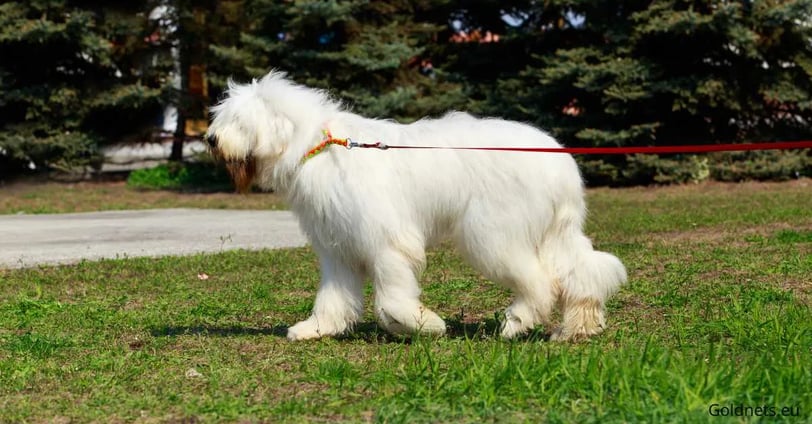
The South Russian Shepherd Dog is a very special dog breed that is widely popular among dog lovers. This breed comes from the southern regions of Russia and was originally used as a herding dog, as it was able to guard flocks efficiently and effectively with its extraordinary intelligence and stamina. Among the outstanding qualities of the South Russian Shepherd are courage, loyalty and friendliness, which come from their commitment to their owners. These characteristics make them ideal family pets and reliable companions.
The popularity of this breed is explained not only by its appearance, but also by its extraordinary abilities. The South Russian Sheepdog adapts well to different environments and tasks, so it stands out not only as a shepherd, but also as a competition and working dog. In addition, the breed requires an active lifestyle, which encourages owners to provide them with regular exercise, which has a huge beneficial effect on the health and current well-being of these dogs.
Despite the fact that the South Russian Shepherd Dog is a real gem in the world of canines, it is important to familiarize yourself with the detailed information about the breed. In the sections below, we provide an insight into the breed's history and characteristics, as well as help potential dog owners to understand the needs and specific characteristics of the South Russian Shepherd, thereby enabling them to make more favorable decisions when choosing their future dog.
Breed history and origin
The South Russian Shepherd, also known as the Russian Shepherd, is one of the Eastern European dog breeds whose history is closely related to different rural lives and herding traditions. The origins of this breed go back to the 19th century, when it was developed to meet the needs of local shepherds and agricultural communities. The first recorded specimens appeared in Crimea and various areas of southern Russia, where the breed was developed according to local animal husbandry guidelines.
The South Russian Sheepdog is basically a herd protection dog breed, which served to protect large sheep from predators. He was able to think independently and make decisions, which was essential when working in a sometimes hostile environment. Over the centuries, other herding dogs contributed to the breed's genetics, so their characteristics were expanded and perfected.
The official recognition of the South Russian Shepherd is tied to several key milestones, including the initiation of breeding programs in the mid-20th century. At the end of the 1970s, the breed was recognized not only in southern Russia, but also in many canine communities worldwide. Today, he not only lives as a guard and herding dog, but also a popular participant in dog shows and sports events, so the history and legacy of the South Russian Shepherd continues to live on.
Appearance, build, coat
The South Russian Shepherd, which is an imposing and elegant breed, is generally classified as a medium to large sized dog. The weight of adult specimens is typically between 30 and 60 kilograms, and their height can be 55-70 cm, considering the height of the withers. Their muscular, robust body structure allows them to work in tough areas, making them ideal companions for shepherd work.
The coat of the South Russian Shepherd Dog is extremely characteristic and can be found in different color variations. The most common shades include white, cream, and various shades of brown and black. Their fur is long, dense and often wavy, which protects them from environmental influences. The undercoat is soft and dense, which helps with thermal regulation, especially in cold weather. Due to these characteristics, special attention must be paid to care.
It is worth combing their fur regularly, at least once a week, to remove shed hairs and reduce the formation of tangles. During the molting period, which happens twice a year, the frequency should be made even daily. Bathing is also important, but it is recommended only when necessary, so as not to remove the skin's natural oils. Proper food and exercise also contribute to the South Russian Shepherd's healthy appearance, which will be a perfect reflection of the owner's care.
Characteristics and behavior
The South Russian Shepherd is a highly intelligent and energetic dog breed, which is a popular choice among families and dog lovers due to its many characteristics. These dogs are powerful working dogs that need extreme physical activity to stay happy and healthy. Their activity level is high, so regular daily exercise, such as long walks, running or ball games, is essential for them. Dogs of this breed are prone to frequent activity, and if this is not provided to them, behavioral problems may occur.
Socialization is also essential for such dogs. South Russian Shepherds should be exposed to several different environments and situations when they are young, so that they become balanced and friendly dogs during their adult lives. Through ideal socialization, they can expand their experiences by interacting with other dogs, animals and people, thereby reducing their fears and anxieties. Such dogs have extraordinary fidelity and loyalty, but early socialization is essential in order for them to relate to different elements of the world in an unbiased way.
Dog training is also an important aspect when it comes to the temperament of the South Russian Shepherd. The method of positive reinforcement works best, as dogs learn quickly and are happy to complete the tasks assigned to them if they are rewarded correctly. A consistent, patient and loving approach is essential for successful training. For these dogs, mental challenges such as agility or performing various tasks also have a positive effect on their behavior and stress relief.
Health and care
The South Russian Shepherd, like all dog breeds, has special health and care needs. Regular veterinary check-ups are extremely important in order to continuously monitor the dog's health. In the case of dogs, it is recommended to take them to the doctor's office at least once a year, but in some cases more often, so that the veterinarian can determine the general health of the dog after a professional examination.
Timely vaccinations are key to protecting the South Russian Shepherd from various infectious diseases. Mandatory basic vaccinations such as rabies and parvovirus should not be overlooked as they can save lives. In addition, other vaccinations typical for dogs should also be taken into account, according to the dog's age and lifestyle.
Another important aspect of South Russian Shepherd grooming is regular brushing, especially due to the long, thick coat. Caring for dogs' hair not only serves aesthetic purposes, but also helps prevent hair loss and skin problems. In addition, you should also pay attention to the dog's coat and nails, as they also contribute to the dog's general health. Carrying out these procedures regularly helps to maintain the health of the South Russian Shepherd Dog and ensure a happy life.
Health risks
The South Russian Shepherd, with its unique behavior and appearance, requires special attention in terms of health preservation. This dog breed is prone to certain health problems, the recognition and treatment of which is crucial for a long and healthy life. One of the most common diseases that the South Russian Shepherd can face is dysplasia, which is a disorder affecting the hip or elbow joints. The development of this type of disorder is usually influenced by hereditary factors, so it is important that the dog can be screened professionally before breeding.
Other health risks include heart disease, such as dilated cardiomyopathy, which causes the heart muscle to weaken and often leads to the dog's early death. It is important for owners to pay attention to their dog's activity and general condition, as the first signs of heart problems can often be seen in the dog's behavior.
For the sake of prevention, it is recommended for owners to ensure regular veterinary checks, which enable the early detection of various diseases. A healthy diet, exercise and weight control are also essential to maintain the ideal condition of the dog. Finally, selecting the right genetic background when breeding can reduce the risk of future health problems. The South Russian Shepherd requires special care, and by considering the health risks, owners can help their dog live a long life.
Nutrition and care needs
The nutritional needs of the South Russian Shepherd are closely related to their age, activity level and general health. In puppyhood, the right nutrients are essential for growth and development, so puppies should be given nutrient-rich food specially designed for them. These foods contain the right amount of protein, fat, vitamins and minerals, which help the development of muscles and the strengthening of the immune system.
As the shepherd dog becomes an adult, its nutritional needs also change. In the case of adult dogs, the daily amount of food is usually divided into 2-3 meals, and the proportion of nutrients should be regulated according to the dog's activity level. It is recommended to use high-quality, meat-based foods that provide the necessary protein and fatty acids, paying particular attention to the ratio of omega-3 and omega-6 fatty acids.
The nutritional needs of older dogs gradually change as their metabolism slows down with age. Older South Russian Shepherds need fewer calories and more fiber-rich food to avoid weight gain and support digestion. In addition to nutrients, attention must also be paid to water intake, as adequate hydration is essential for maintaining the health of dogs. During the formulation of the diet, not only the nutrients, but also the individual needs of the dog must be taken into account in order to ensure a long and healthy life.
Useful websites: noinet.hu