


The Hungarian terrier: Our loyal companion
The Hungarian terrier, also known as pumi, is a special dog breed that originated in Hungary and dates back several centuries. This breed has a significant role in Hungarian culture and agricultural life. The Hungarian terrier not only stands by its owner.
DOGS
12/4/20247 min read
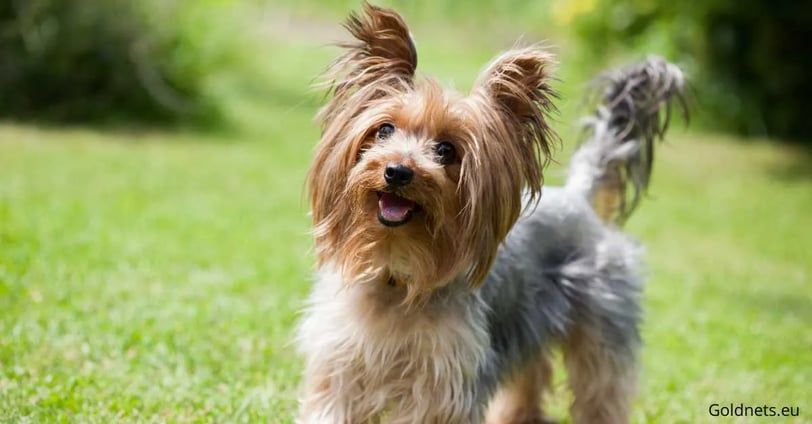
The Hungarian terrier, also known as pumi, is a special dog breed that originated in Hungary and dates back several centuries. This breed has a significant role in Hungarian culture and agricultural life. The Hungarian terrier not only stands by its owner, but also actively participates in economic work, such as herding and hunting. The versatility and intelligence of this breed has made it popular among owners who are looking for reliable, energetic and loyal companions.
The physical appearance of this dog breed is also impressive. Energetic, medium-sized dogs have a muscular build and a distinctive coat that can be curly or wavy. The Hungarian Terrier is usually very active, which means that it needs regular exercise and mental challenge to stay happy and healthy. This breed of dog adapts well to different environments, although it is also comfortable in rural areas, where it has the opportunity to move freely and explore the world.
The Hungarian terrier is so popular in dog keeping because, in addition to its friendly and loyal nature, it has a great ability to learn. Owners quickly experience how easily the dog can be trained and how important it is to be close to the owner. Countless owners have reported that the Hungarian terrier is not just a dog, but a real family member who contributes to everyday life with his zest for life and playfulness.
The origin of the Hungarian terrier
The Hungarian terrier, also known as the Puli, is an ancient breed of dog that dates back several centuries in our country. The history of the development of this breed is closely intertwined with the development of Hungarian pastoral culture. The ancient Hungarians, who used the dogs that came with them for herding and guarding, quickly discovered the excellent qualities of these breeds. The Hungarian terrier was built on close cooperation with animals and loyalty to the owner, which is an extremely important characteristic of the breed's nature.
Among the breeds that played a role in the formation of the Hungarian terrier, the mixing of terriers and other local dog breeds is mentioned. In addition to the dexterity and speed required for herding, the breed also had a special temperament that allowed for a close attachment to its owner. In the past, the breed was not only used as shepherds, but also excelled in the role of housekeepers and family companions.
In addition, it is worth noting that the development of the Hungarian terrier did not only stem from the needs of the farmers, but is also closely linked to Hungarian culture. The stories, folktale motifs and traditional customs associated with the breed all contributed to increasing the value of the Hungarian terrier. The breed is considered not only functionally, but also as a cultural heritage, which is an important part of Hungarian identity.
Overall, the Hungarian terrier is not just a breed of dog, but a timeless symbol that is also a reflection of Hungarian history, traditions and way of life. The special qualities of this breed, such as loyalty, intelligence and diligence, make keeping Hungarian terriers attractive to many owners even today.
Appearance, build, coat
The Hungarian terrier is a medium-sized dog breed, whose height is usually between 35-55 cm. Females are usually smaller and lighter, reaching 10-15 kg, while males are between 12-18 kg. The dog's constitution is muscular and well-proportioned, which allows it to actively participate in various activities, such as hunting or dog sports. The characteristic appearance of the Hungarian terrier is given on the one hand by its powerful legs and on the other hand by its shoulders, which strengthen the animal's mobility and endurance.
The characteristics of the coat also play a significant role in the appearance of the Hungarian terrier. The dog's fur is short and dense, which is particularly suitable for protection against different weather conditions. The coat is usually smooth or slightly wavy, easy to maintain, which makes the dog attractive to owners. Among the color variants of the Hungarian terrier, you can also find black, brown, and variegated patterns. All these colors give the dog uniqueness and allow the owners to choose according to their own taste.
Certain details of the external appearance, such as the size of the head or the shape of the ears, also influence the assessment of the Hungarian terrier. The dog's facial features are harmonious and lend a friendly expression, which further strengthens the development of a close relationship between owners and terriers. These characteristics all contribute to the fact that the Hungarian terrier is not only a loyal companion, but also an aesthetic experience for dog lovers.
Characteristics and behavior
The Hungarian terrier, which is one of the loyal companions, is a particularly attractive choice for dog lovers. This type of dog is typically lively, intelligent and extremely loyal. Hungarian terriers have a high activity level, which means they need regular exercise to stay healthy and happy. Therefore, daily walks and various physical activities are essential to keep the dog energetic and to avoid unnecessary aggressive behavior.
The socialization of Hungarian terriers is also essential for healthy development, as they need positive experiences from an early age when meeting other dogs and people. The recommendations presented below will help owners to ensure that their dog's social skills are properly developed. During the sessions, care must be taken to ensure that the dog gets used to new environments and other animals that it will meet. Through such experiences, the Hungarian terrier becomes more confident and the chance of anxious behavior decreases.
The training requirements of the dogs are also significant in the case of the Hungarian terrier. Because of their intelligence, they learn quickly, so positive reinforcement methods help owners develop appropriate behavior. Hungarian terriers are inherently protective, so they may be able to protect their owners, which also emphasizes the importance of training. Proper training ensures that these loyal companions live happily, minimizing problem behavior.
Health and care
The Hungarian terrier is an exceptional dog breed known as a symbol of loyalty and friendliness. The health status of these breeds can generally be said to be good, but as with all dogs, proper care and regular veterinary check-ups are important. The Hungarian terrier is generally healthy, but it may have certain genetic tendencies that owners should be aware of. Some of the most common health issues include hip dysplasia and allergic reactions that can occur in these dogs.
In order for the Hungarian terrier to remain in the best possible state of health, regular veterinary visits are essential. The veterinarian can make recommendations on proper nutrition, vaccination schedules, and the need for screening tests. In addition, the Hungarian terrier wants an active lifestyle that contributes to general health, so regular exercise and mental stimulation also play an important role. engaging dogs with interactive games and walks not only improves health, but also strengthens the relationship between owner and dog.
It is important that the daily care of the Hungarian terrier includes the care of the coat, as these breeds have double hair. In addition, ensuring a healthy diet and adequate vitamin intake contributes to the dog's health and vitality. As an owner, it is best to have a close relationship with our veterinarian in order to ensure the health and well-being of the Hungarian terrier at the highest possible level.
Health risks
The Hungarian terrier, like all dog breeds, is prone to certain health problems. It is especially important that farmers are aware of these risks so that they can recognize early warning signs in time. Based on the characteristics of the breed, the most common health problems include skin diseases, joint disorders and heart problems.
Skin diseases, such as allergic reactions or dermatitis, are common in Hungarian terriers. Such problems are usually accompanied by itching and redness, which owners can easily detect. In order to prevent it, it is recommended to regularly check the dogs' skin, as well as carry out veterinary examinations for the necessary vaccinations and treatments.
Joint problems such as dysplasia are also a significant risk in this breed. Hungarian terriers are prone to excessive activity, which can lead to musculoskeletal disorders. Early symptoms include limping, irritability when moving, or licking your pet's wounds. It is important that owners pay attention to these signs and visit a specialist in time.
Finally, heart problems can also occur in Hungarian terriers, most often with symptoms of heart failure. In such cases, dogs become more tired and can be exhausted even after shorter walks. Veterinarian screenings and regular health checks help to detect and treat problems early.
Nutrition and care needs
The Hungarian terrier, like all dog breeds, has specific nutritional needs that are adapted to the stages of adulthood, puppyhood and seniority. The general nutritional needs of dogs include adequate amounts of protein, fat, vitamins and minerals. In the case of puppies, food with a higher protein content is necessary for their development, while the food of adult Hungarian terriers must be in balance between the important aspects.
Nutrient intake blocks for dogs are as follows: 4-5 meals per day are recommended for puppies, which can be gradually reduced to 2-3 meals when the dog reaches adulthood. Vitamins and minerals play a prominent role in the healthy development of the Hungarian terrier; owners should ensure that the rations contain omega-3 and omega-6 fatty acids, which contribute to the health of the skin and coat.
In addition, care needs are not negligible. Regular exercise and mental stimulation are essential in maintaining the health of the Hungarian terrier, as it is an active and energetic breed. Regular brushing and keeping the dog's coat clean is also an important part of care. Regular check-ups at the vet and up-to-date vaccinations contribute to the long and healthy life of the terrier.
Who is the Hungarian terrier recommended for?
With its special characteristics and loyal nature, the Hungarian terrier can be an attractive choice for different owners. The ideal owners of this dog breed usually lead an active, energetic lifestyle and are able to provide the dog with the appropriate physical and mental stimulation. Hungarian terriers like to play, go for walks and relax outside, so a family where they are regularly given exercise and interactive activities is a particularly favorable environment for them.
The Hungarian terrier is comfortable in both urban and rural environments, provided that it is given enough exercise and opportunities to explore. Because of their intelligence, dogs are easy to learn and willing to participate in training programs, so their owners must have patience and consistency. For those who want to deliberately deal with the preparation of their dog, the Hungarian terrier can be an excellent companion.
In addition, it is important to mention that the Hungarian terrier is also excellent for families with children, as it is playful, friendly and protective. By nature, they are inclined towards loyalty, which creates a close bond with the family. However, it is recommended that children learn to treat their pets correctly, thereby ensuring mutual respect and harmonious coexistence.
Overall, the Hungarian terrier is a versatile breed, the owner's lifestyle, expectations and the dog's needs should be taken into account when choosing it, since mutual harmony is key to a successful relationship.
Useful websites:noinet.hu