


The Greek Hound: More than Two Decades of Experience
The Greek hound originally functioned as a helper and companion for hunters, thanks to its outstanding abilities. This dog is intelligent, loyal and adapts particularly well to different hunting conditions, making it a popular choice among hunting enthusiasts to this day.
DOGS
12/3/20246 min read
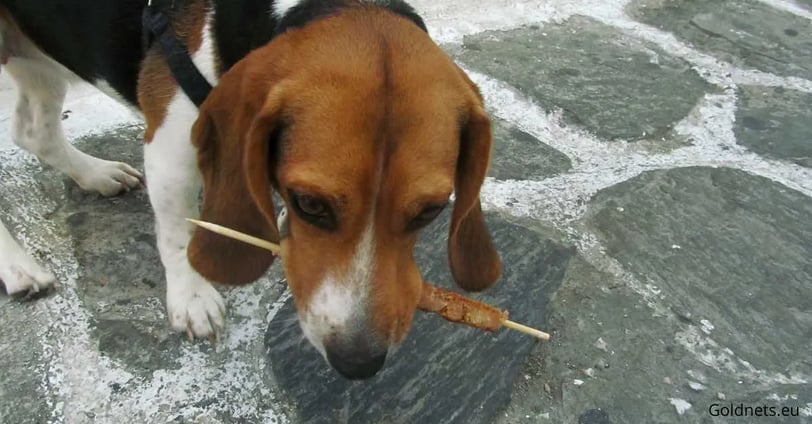
The Hellenic Hound is a dog breed with a rich historical and cultural heritage. The development of this dog breed is linked to Greek rural life and hunting traditions. The Greek hound originally functioned as a helper and companion for hunters, thanks to its outstanding abilities. This dog is intelligent, loyal and adapts particularly well to different hunting conditions, making it a popular choice among hunting enthusiasts to this day.
The Greek hound also plays a significant role in Greek culture, as numerous iconographic representations testify to this, especially in classical Roman and Greek art. Dogs of this type were not only important members of their owners, but also of communities, as they performed social and protective tasks. Over the past decades, the Greek Hound's popularity has steadily increased, and many people are now looking for information about this special breed.
The Greek hound has a prominent role not only in hunting. This dog breed is also known as an excellent family pet, given their friendly nature and loving character. Their loyalty to their owners and their good relationship with children make them even more attractive. Another interesting thing is that the Greek Hound thrives well in urban environments as long as it gets enough exercise and stimulation, so despite its hunting background, they can be widely available as house pets. It is therefore worth getting to know this special breed, as the Greek Hound is not just a simple dog, but a real companion in many areas of life.
The History and Origin of the Greek Hound
The Greek Hound, or Hellenic Hound, is a special dog breed that dates back thousands of years. Its origins can be found in Greek history, where it was used for hunting and guarding farm animals. The ancient Greeks considered the breed to be distinguished hounds, as it often appears in classical art and literature as a symbol of hunting. Ancient civilizations such as Sparta and Athens paid special attention to the education and training of hounds, as they are excellent for grooming, hunting and protecting territories.
Over the centuries, important historical events affecting the Greek Hound breed shaped its development. During the Roman Empire, the breed's popularity continued to grow, as it became one of the key players in Roman hunting. As a result of conquests and migrations, the Greek hound touched the genetics of other breeds, which contributed to the development of its present form. In addition to the hunting traditions brought by the ancient Greeks and Romans, local rural communities have also preserved the original characteristics of the hound, which are highly valued in modern dog sports and competitions.
At the end of the 1970s, the Greek Hound was officially granted breed status, which gave it recognition on the world stage. Since then, many breeders and canine communities have worked to preserve the breed's traditions and improve its genetics, so the Greek Hound has preserved its historical heritage and special place among hunting dogs to this day.
Appearance, build, coat
The Greek hound, also known as the Hellenic hound, is an imposing-looking dog whose physique can be clearly seen in the breed's solid, muscular build. It has a particularly well-proportioned body type, ranging between medium and large size, typically with a height of 50-60 centimeters at the withers. The strong and athletic build not only reflects his hunting skills, but also emphasizes the elegance of his movements. The Greek hound's tail is part of his appearance, which is usually long and thin, often lowered, but raised during action.
The breed's typical coat is short, dense and smooth to the touch, which requires proper care to keep it shiny and healthy. In terms of color, Greek hounds come in a variety of shades. The most common colors include black, brown, and tricolor, all of which are often mixed with different patterns. The color of this coat is not only an aesthetic issue, but also affects the hunting abilities of the dog, as the colors can help blend into the environment.
The length and texture of the coat play a prominent role in the overall appearance of the Greek Hound. The undercoat is soft and dense, while the top coat is hard, which provides excellent protection against various weather conditions. This combination helps the Greek Hound to adapt well to natural habitats, be it forests, fields, or mountain terrain. The external appearance therefore determines not only the beauty of the dog, but also its functional nature.
Characteristics and behavior
The Greek Hound, also known as the Hellenic Hound, is a special dog breed with many characteristics, a defining temperament and activity level. This dog is intelligent and energetic, making it an ideal choice for active families. The Greek Hound's fresh, friendly personality helps its owners to easily form a close bond with it.
His temperament is generally cheerful and playful, which allows him to enjoy participating in family activities. However, the Greek Hound needs adequate daily exercise to stay happy and healthy. The breed is extremely active and typically not satisfied with the exercise available during daily walks. For those who can dedicate enough time to their dog, the Greek Hound can be an excellent companion.
Socialization needs also play an important role in the behavior of the Greek Hound. Being inquisitive and exploratory by nature, early socialization is essential to develop good behavior. A dog's early relationships and experiences need a wide spectrum so that it can make friends with other dogs and people. This breed is extremely sensitive to the emotions of its owner, which creates an opportunity to build a close, emotionally rich relationship.
In terms of education, the intelligence and curiosity of the Greek Hound is a great advantage, however, patience and a professional approach are required during training. They are easily tripped up by a lack of discipline and consistency, so wealthy owners should invest time and energy in creating the dog's basic habits.
Health and care
The Greek Hound, like many other dog breeds, has a number of health needs that are important to consider in order to ensure proper care. Physical activity is essential for animals of this breed, as these dogs are naturally active and energetic creatures. Incorporating daily walks and playtime as part of a healthy lifestyle helps to avoid excess weight and maintain cardiovascular health.
In the case of Greek Hounds, nutrition is also a key factor. The introduction of high-quality, balanced food promotes proper growth and their long-term health. In addition, attention should be paid to the age-appropriate dose of the dog, which meets its needs. Avoid artificial additives and excessively processed foods, which can have a harmful effect on the dog.
Regular veterinary check-ups are also essential in maintaining the health status of Greek Hounds. These inspections provide the opportunity to carry out vaccinations, parasite treatments and other important interventions. During veterinary visits, owners should always consult their dogs' specific health needs and changes in order to receive the most appropriate advice.
Another important aspect is proper grooming, which includes regular grooming, nail trimming and teeth cleaning. Such care contributes not only to the aesthetic appearance, but also to the general well-being of the dog, as it helps to prevent skin problems and dental diseases.
Health risks
The Greek Hound, like many other dog breeds, can be prone to various health problems. One of the most common ailments that Greek Hounds can face is dysplasia, especially dysplasia of the hip and elbow joints. This problem is often genetic and it is important for breeders to screen the parents to reduce the risk. The appearance of dysplasia can lead to limited movement and chronic pain, so regular veterinary check-ups and maintaining a healthy body weight are essential for prevention.
Furthermore, Greek Hounds can also have skin problems, such as allergic reactions, which can cause itching and irritation. These skin conditions are usually the result of dietary or environmental allergens, and a thorough veterinary examination is necessary to establish a diagnosis. In the treatment of allergies, it is extremely important to follow a proper diet and proper hygiene habits.
In addition, Greek Hounds can be prone to certain heart conditions, such as dilated cardiomyopathy, which is a weakening and progressive deterioration of the heart muscle. Regular veterinary check-ups can help detect heart problems early, allowing treatment options to be introduced before the disease progresses.
Overall, the health risks of Greek hounds require considerable attention. Regular veterinary check-ups and conscious breeding practices can help prevent potential diseases and support long, healthy dogs.
Nutrition and care needs
The nutrition of the Greek Hound plays an important role in maintaining its health and well-being. The nutritional needs of these dogs change at different stages of their lives, so it is essential that owners make the right decisions about their diet. In the case of puppies in the first months of life, the nutrients they receive during breastfeeding are of crucial importance. Later, with the start of additional feeding, it is worth switching to special puppy food, which is rich in proteins, vitamins and minerals to support growth and development.
During the daily feeding of adult Greek hounds, the dog's weight, activity level and state of health must be taken into account. On average, an adult dog needs 2-3 meals per day, and the portion should be about 2-3% of the animal's body weight. It is recommended that the dog's diet is balanced, containing the right amount of protein, fat and carbohydrates. As an alternative, farmers can consider home-made food, but they must be careful to maintain the necessary ratio of nutrients.
Grooming needs are an everyday aspect that is essential for the Greek Hound to become a healthy and happy dog. He needs regular exercise, which includes daily walks and active play. It is also important to have regular veterinary check-ups and the appropriate vaccinations. The coat of the dog breed also requires care; regular brushing helps to keep their fur healthy and clean, and also excels at preventing skin problems.
Useful websites:noinet.hu