


The Finnish Hound: The perfect companion and hunting dog
The Finnish Hound, also known as the Finn Hound, is a fascinating dog breed that is a popular choice not only for hunting, but also for families. The special characteristics of this breed, such as an excellent sense of smell, persistent archery and intelligence.
DOGS
12/2/20246 min read
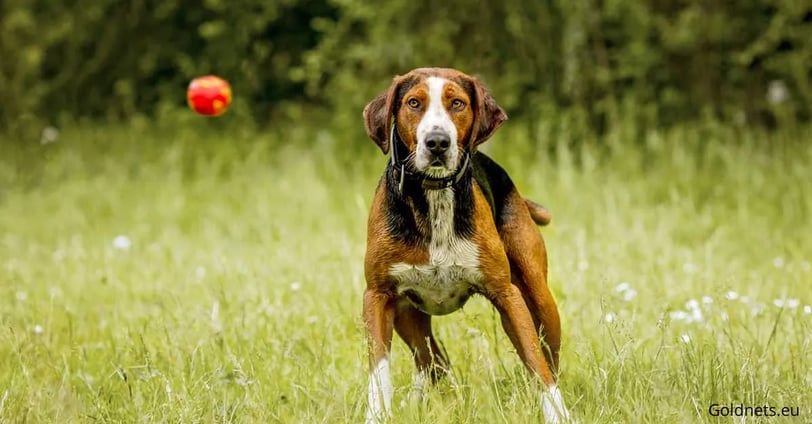
The Finnish Hound, also known as the Finn Hound, is a fascinating dog breed that is a popular choice not only for hunting, but also for families. The special characteristics of this breed, such as an excellent sense of smell, persistent archery and intelligence, make it suitable for various forms of hunting, especially for approaching smaller game such as rabbits and foxes. The Finnish Hound's energetic and playful nature is also part of its appeal, making it an ideal companion as a family dog.
In terms of appearance, the Finnish Hound is a medium-sized dog with a proportionate body structure and an expressive face. The short, shiny coat, which can be found in varying shades, expresses the active lifestyle that the breed represents. Due to their incredible physical strength, dogs are able to work for long periods of time on the hunt, while living a calm and kind life in a family environment. Their social nature allows them to get along well with other dogs and pets, as well as people.
This article provides a detailed overview of the Finnish Hound, including breed characteristics, training tips, and health advice. We will discuss the benefits of choosing a Finnish Hound and how to get the most out of this exceptional dog breed, whether as a hunter or a real family pet. Our goal is to help potential dog owners understand what makes the Finnish Hound special and sought after.
Breed history and origin
The Finnish Hound, also known as the Finnish Hound, has a rich history that is closely intertwined with the culture and traditions of Finland. This breed began to be consciously bred in the 19th century, but its roots go back to older dog breeds used for smoking and law enforcement, which lived in the Scandinavian region. Over the years, the Finnish Hound has become an important part of the local hunting culture, as its versatile hunting skills and loyalty have allowed it to hold its own in various forms of hunting.
The main task of the Finnish Hound is to provide information about hunting, which is why its developed sense of smell and endurance make this breed particularly valuable. It is basically a medium-sized dog that is primarily used for hunting rabbits and other small game. This type of hunting dog developed in the harsh environment of the Finnish forests, where the cold weather and difficult terrain tested the dogs' physical abilities.
During breeding, special attention was paid to the friendly nature and social inclination of the Finnish Hound. These dogs are not only useful in hunting, but also become kind and reliable companions. Their predecessors also played an important role in transport, so the Finnish Hound gained recognition not only as a hunter, but also as a helper of people. The characteristics developed during the evolutionary processes of the breed made it possible for the Finnish Hound to become an integral part of Finnish culture, and to this day it preserves its traditions and role in the world of hunting.
Appearance, build, coat
The unique appearance and body structure of the Finnish Hound combines many features that make the breed both functional and aesthetic. Its average height ranges from 48-56 cm, while its weight is 18-25 kilograms. These proportions provide him with the right mobility and stamina, which are essential for hunting activities.
The body structure of the Finnish Hound is generally athletic, its legs are long and muscular, which helps it run fast and efficiently. The dog's movements are elegant and fluid, which can also be observed during rapid changes of direction during hunting. The typical head shape of the breed is medium-sized, the ears are wide and drooping, which gives it a princess-like appearance.
The Finnish Hound's coat is thick and short, which protects it from the elements. Its color is usually brown, black, or a mixture of the two; lighter spots may also appear on the chest, legs, and face. This coat also performs well in different weather conditions, as it protects the dog from cold and moisture, as thanks to its waterproof properties, Finnish Hounds adapt very well to harsher environments.
The maintenance of the coat is relatively simple: the dog should be brushed regularly, once or twice a month, to remove loose hairs and maintain the health of the coat. A variety of dog shampoos and conditioners are also recommended to keep the coat shiny and healthy. Overall, the appearance and body structure of the Finnish Hound are ideal for hunting tasks not only from an aesthetic point of view, but also from a functional point of view.
Characteristics and behavior, temperament, activity level, socialization, training needs
As an extremely talented hunting dog, the Finnish Hound has a vibrant temperament and dynamic behavior. In the case of this breed, the playful and energetic nature dominates, which leads to the fact that Finnish hounds desire constant movement and mental stimulation. Their activity level is high, so several hours of exercise and play a day are essential for them. These dogs enjoy taking part in long walks, runs or even playing with other dogs to satisfy their natural instincts.
In addition to this level of activity, proper socialization is also crucial for Finnish Hounds. We point out that early socialization is particularly important, as it helps to remove potential behavioral problems. At a young age, the Finnish Hound should be taken to different environments where he can meet new people and other animals. In this way, the dog gets used to the changes and maintains its friendly, open behavior towards others. Socialization and positive experiences contribute to Finnish Hounds developing a balanced personality.
Training needs are also significant for Finnish Hounds. This breed is intelligent and easy to learn, but requires consistency and structured input during training. It is worth using positive reinforcement, as this encourages the dog to be willing to participate in the learning. In the case of Finnish hounds, patience, persistence and the use of appropriate methods are essential for successful training.
Health and care
The Finnish Hound, like all dog breeds, has specific health characteristics that owners should pay attention to. It is generally considered a strong and healthy dog, however, as with all breeds, certain genetic disorders can occur. Finnish Hounds can often suffer from hip and elbow dysplasia, so it is important that the parents of the puppies are thoroughly screened for these aspects. In addition, eye diseases such as progressive retinal atrophy can also occur in the breed, so regular veterinary check-ups are recommended.
Proper nutrition and regular exercise are essential for Finnish hounds. Dogs must have a balanced diet to maintain their ideal weight and avoid being overweight, which is especially important to prevent hip and joint problems. Daily exercise, which can include walks, runs and playful activities, is essential to maintaining your pet's physical and mental health.
Another key element of care is regular grooming, which includes combing and bathing. The fur of the Finnish Hound is dense and water-repellent, so it is worth combing it at least once a week, especially during shedding periods. Ear care, dental care and nail trimming are also important parts of maintaining a dog's overall health. All these daily or weekly routines help the Finnish Hound to live a healthy and happy life, making the most of the time they spend with their humans.
Health risks
The Finnish Hound, like many other dog breeds, is subject to various health risks that are partly the result of genetic predispositions. The most common health problems associated with the breed include hip and elbow dysplasia, and eye conditions such as cataracts and progressive retinal atrophy. Early recognition and diagnosis of these diseases can be vital in ensuring a dog's long life.
It is important to mention that health problems that occur among Finnish hounds are often hereditary, so breeders should pay special attention to health screening of breeders and appropriate breeding practices. Proper screening and checking the parents' health status can significantly reduce the inherited health risks of future puppies.
Owners also play an important role in maintaining the health of Finnish hounds. Regular veterinary check-ups and proper vaccinations are essential so that dogs can fight not only genetic problems, but also harmful environmental effects. A healthy diet and regular exercise are also essential for a dog's physical and mental well-being.
By becoming aware of health risks, Finnish Hound owners can better prepare for emerging problems and support their dog's health more effectively. The development of prevention strategies based on the symptoms of veterinary care is also key to minimizing potential health risks.
Nutrition
The nutritional needs of the Finnish Hound vary significantly during the different stages of life, so it is important to create the right meal plan for our dog. A puppy's diet should be balanced and rich in nutrients to support healthy growth and development. The optimal protein content, which ranges between 22-28%, is essential, and the appropriate ratio of fats and carbohydrates must also apply.
The amount and nutritional content of the daily meals for adult Finnish Hounds depends on the dog's activity level. In the case of active dogs, food with a higher calorie content is needed, while in the case of dogs with less movement, the use of reduced portions is recommended. Two meals a day is usually sufficient, but individual needs and the dog's lifestyle can influence the feeding practice.
It is important to always measure your dog's portion correctly, as this helps prevent overweight and related health problems. To ensure optimal nutrition, it is recommended to choose nutritious, premium quality food that meets the special needs of the Finnish Hound. Processed foods should be avoided during feeding, as they contain few nutrients and can have a harmful effect on the dog's health.
Ensuring plenty of water consumption is also essential, as it helps with hydration and maintaining proper metabolism. The feeding habits of Finnish Hounds should be monitored and, if necessary, the diet should be modified in consultation with the veterinarian in order to maintain the dog's health.
Useful websites:noinet.hu