


The English Mastiff: The powerful and loyal companion
The English Mastiff is one of the most impressive and largest dog breeds. The appearance of this breed is really impressive; the huge body, muscular build and friendly expression create a combination that will attract the attention of not only dog lovers but also laymen.
DOGS
11/8/20246 min read
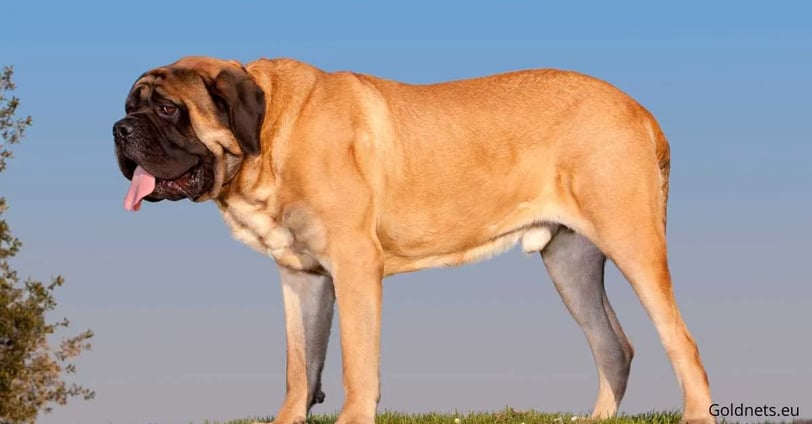
The English Mastiff is one of the most impressive and largest dog breeds. The appearance of this breed is really impressive; the huge body, muscular build and friendly expression create a combination that will attract the attention of not only dog lovers but also laymen. The English Mastiff's popularity among families stems in part from its extraordinary loyalty and love for children. This breed is not only a housekeeper, but also an excellent companion, able to protect its loved ones while lovingly treating the young members of the family.
Many people consider the English Mastiff to be a kind of giant doll, since despite its size and appearance, it is essential to get to know the characteristics and needs of the breed thoroughly. In order to understand the temperament of this dog breed, it is important to be aware of its physical needs, such as its exercise and nutrition needs, as well as its socialization and training needs. Knowing all of this can help the_owner_ provide the most appropriate environment for their pet, thereby promoting a happy and healthy life.
In the remaining parts of this blog post, we will deal in more detail with the structure, temperament and proper care of the English Mastiff. Our aim is to provide readers with comprehensive information about this fascinating breed, helping them to make informed decisions should they decide on this special breed of dog.
History and origin of the English Mastiff breed
The history of mastiffs goes back to ancient times and the breed is known in different geographical areas. The English Mastiff, which today is the largest and best-known representative of this group, can probably be traced back to ancient Roman times. They are said to have been used by the Romans as fighting dogs, as their size and strength were ideal for such tasks. At that time, the varieties were used in gladiator arenas and during wars. The strong build and courage of mastiffs emphasized their ancient roots even more then.
Over the years, the English Mastiff not only became popular as a fighting dog, but they were also increasingly kept as pets. During the Middle Ages, mastiffs became favored companions of the nobility, where they were valued for their loyalty and protective tendencies. Many artists have immortalized them in clothing and painting, reflecting the breed's place in social cultures.
During the evolution of the breed to the English Mastiff of today, many breeding programs were carried out to improve the appearance and behavior of the dogs. The goal was to preserve the qualities that made mastiffs special: courage, loyalty and kindness. So mastiffs have enjoyed great popularity throughout history not only because of their physical strength, but also because of their emotional attachment to people.
Appearance, build, coat
As a giant and imposing dog breed, English Mastiffs have extraordinary physical characteristics that help distinguish the breed from other dogs. These dogs are usually 70-80 cm tall and weigh between 50-90 kg, mowing the grass can also show differences between males and females. English Mastiffs attract attention with their distinctive, broad head and powerful body structure. This body structure ensures that these dogs are extremely strong and muscular, which contributes to the breed's strength and endurance.
Their body structure is robust, muscular and well-proportioned, which allows them to move well despite being large dogs. It is typical for the breed that the dogs have a wide and deep chest, which can be modulated by spraying. The legs are strong and sturdy, allowing for stable standing and reliable movement.
The color of the fur is most often golden brown, silver gray, or off-white, but spotted or striped patterns may also occur. The texture of the coat is short, dense and smooth, which requires regular grooming to keep dogs healthy and beautiful. In addition to maintaining the coat, it is also important to monitor the condition of the skin, as mastiffs can be prone to skin problems. Using the right grooming techniques helps dog owners to make their pets feel good in their own skin.
Characteristics and behavior
The English mastiff, as one of the best-known representatives of its breed, has a particularly attractive personality. These dogs easily attract attention with their enormous size and impressive appearance. However, in addition to appearances, the breed's behavior and temperament are also important. English Mastiffs are calm, quiet and extremely loyal by nature. They feel it is their duty to protect their family, which is why they have a strong protective instinct.
Their activity level is typically moderate. While these dogs need plenty of exercise, they don't require as much intense exercise as other breeds. A daily walk and some play is enough for them to stay happy and healthy. It is important that owners pay attention to the breed's socialization needs. English Mastiffs are generally friendly with strangers if properly socialized, but introducing young puppies to different environments and people is essential. This helps to avoid threatening behavior and the development of possible timidity.
Proper training is also key for English Mastiffs. As a result of steady and consistent education, they are easy to teach, but they need experienced, firm guidance. Because English Mastiffs are sensitive, intelligent dogs, positive reinforcement is of utmost importance to them. These types of training methods ensure that the desired behavior is developed quickly and effectively. In order for them to become loyal companions, care, love and long-term commitment on the part of the owner are essential.
Health and care
The health and care of dogs is essential to ensure a long and happy life, especially for English Mastiffs. In the case of this breed, regular veterinary check-ups are extremely important, as they can help in the early detection and prevention of diseases. English Mastiffs are prone to certain hereditary diseases, such as dysplasia and heart problems, which makes regular visits to the vet all the more necessary. Professional medical supervision ensures that the dogs develop properly and live a healthy life.
Furthermore, it is essential that English Mastiffs receive the mandatory vaccinations that protect against the most common infectious diseases. Vaccines help prevent serious health problems, so they should never be neglected. Vaccinations for the breed include rabies, parvovirus, and kennel cough vaccine. It is important that the dogs' vaccination program is up to date, which should be followed based on the recommendations of the veterinarian.
Care practices also include ensuring proper nutrition, as English mastiffs require special attention due to their large size. Quality dog food helps maintain a healthy body weight and supports joints. In addition, regular exercise also contributes to the physical and mental well-being of dogs. English Mastiffs, although large and strong, are kind and loyal companions who deserve the best care.
Health risks
English Mastiffs, like all large dog breeds, are prone to certain health problems that are important for potential owners to know. One of the most common health risks we face is hip and elbow dysplasia, which is a hereditary disorder and essential for screening and prevention. As a result of dysplasia, the movement of dogs can become limited and can make everyday activities painful. Professional breeding and veterinary examinations are key in this respect.
Another common disease that can affect English Mastiffs is heart disease, especially dilated cardiomyopathy. This disease results in weakness of the heart muscle, which can reduce the efficiency of the heart. Regular screenings can be critical for early diagnosis, allowing owners to begin treatment early, thereby improving the quality of life for dogs.
English Mastiffs are also prone to obesity, which can lead to a number of other health problems, such as diabetes or joint problems. That is why it is essential to ensure proper nutrition and regular exercise. Owners should monitor their dog's weight and consult a veterinarian about the best diet.
It is important that, knowing the genetic problems, farmers are aware of how these risks can be minimized. Breed-specific screening, choosing a good breeder, and supporting the dogs in a healthy lifestyle all contribute to English Mastiffs living a long and healthy life.
Nutrition
The nutritional needs of the English Mastiff are significantly different from those of other dog breeds, as their size and body structure require special care. These large dogs usually weigh between 50-70 kg and require different nutrients depending on their age. In the case of puppies and young mastiffs, suitable amino acids, minerals and vitamins are needed for growth and development, while in the case of adult dogs maintenance and energy supply are the main aspects.
A young mastiff's diet is usually higher in protein to support tissue growth and muscle development. In addition, it is worth paying attention to the ratio of calcium and phosphorus, since these minerals are essential for bone health. In the case of adult English Mastiffs, the food must be balanced and contain the necessary fats, fibers and carbohydrates. It is important that dogs do not exceed their daily caloric needs, especially since obesity can be particularly harmful in this breed.
When choosing the type of food, it is worth choosing premium quality, usually dry food, which is specially made for large dogs. In addition, it is necessary to pay attention to the hydration of the dogs, so always provide them with enough fresh water. A flexible diet and regular mealtimes contribute to maintaining the health of mastiffs. Dogs' nutrition is closely related to their overall health and well-being, so it's worth planning their meals carefully.
Useful websites:noinet.hu