


The English Greyhound: The epitome of speed and elegance
A symbol of speed and elegance, the English Greyhound has long been a popular choice among dog lovers. This special breed impresses not only with its attractive appearance, but also with its extraordinary pace and intelligence.
DOGS
11/8/20246 min read
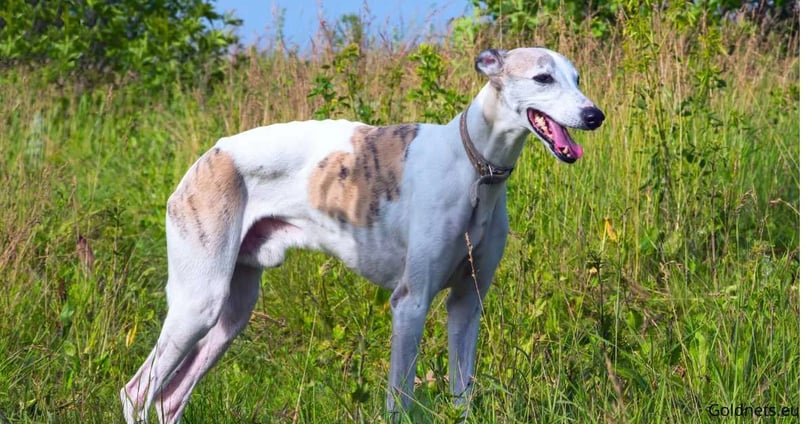
A symbol of speed and elegance, the English Greyhound has long been a popular choice among dog lovers. This special breed impresses not only with its attractive appearance, but also with its extraordinary pace and intelligence. English greyhounds are among the fastest dog breeds in the world, which is why they are sought after by many people, be it for racing, dog sports or even just for fun. However, it's not just their speed that makes them stand out in the hearts of dog lovers; their friendly nature, loyalty and nice personality also contribute to their popularity.
Our blog aims to provide detailed and comprehensive information about the English Greyhound breed, including their care, feeding and behaviour. The English Greyhound is not just a dog, but an expression of a lifestyle that requires the right knowledge and preparation. In addition to recreational aspects, we also examine the challenges related to the breed that future owners may encounter. It is important for future owners to be aware of the characteristics of the breed, as the passion for dogs is not only about pleasure, but also about appropriate responsibility.
Therefore, our intention is to provide assistance to the members of the dog-friendly community, since by sharing our knowledge and experience, keeping an English greyhound can become even more enjoyable.
History and origin of the English Greyhound breed
The role of the English greyhound occupies a special place in the history of dog breeds, as it has been known for centuries as a symbol of speed and elegance. The origins of this breed go back to the Middle Ages, when they were used as hunting dogs in agricultural environments in England. Male and female English Greyhounds have been bred to best adapt to the local environment while retaining their natural abilities.
The development of the breed really began in the 18th century, when hunting sports became more and more prominent in parallel with their popularity. English greyhounds were favored by the English aristocracy of the time, especially lovers of mounted hunting, for their speed and agility. Due to their appearance at the London dog show in 1868, English greyhounds suddenly gained popularity and thus the number of owners also increased.
The famous Greyhound Cup, which has been the biggest competition for English Greyhounds for decades, provides them with the opportunity to develop. These races featured notable competitors such as Mick the Miller, who became a legend in the 1920s. The breeders also contributed to the popularization of the breed, who were involved in selecting and breeding the best individuals, contributing to the traditional character and reproduction of the English Greyhound over time.
Appearance, build, coat
The English greyhound, which in the world of dogs is the multiple embodiment of speed and elegance, attracts attention with its unique body structure and appearance. Greyhounds are typically dogs of medium, light build, with long legs and aerodynamic shapes that promote speed. The ideal English Greyhound weighs between 25 and 40 kg, and their height varies between 65 and 75 cm, depending on whether they are male or female.
In terms of body structure, the English Greyhound has well-formed musculature that supports its running performance. The neck extending forward and the long spine also play a key role in the dynamic movement of the animal. Dogs' chests are deep and wide, which provides enough space for the lungs and heart, contributing to the greyhound's incredible running performance.
The type of coat and color variations are also important factors in the external appearance of the English Greyhound. Its coat is short and smooth, which makes it easy to maintain and protects against different weather conditions. Colors span a wide spectrum, including black, shades of blue, tan, and even tiger-striped variations. These colors and the type of coat are important not only from an aesthetic point of view, but also from the point of view of the English greyhound's health and comfort.
Characteristics and behavior
The English greyhound, as a breed characteristic, is an extremely mobile and elegant dog that deserves special attention in terms of its temperament and behavior. This breed is generally friendly, affectionate and adapts well to the needs of its owner. English Greyhounds have a high activity level, which means they need regular daily exercise. Due to their playful nature and inquisitive nature, they especially love spending time outdoors, where they like to run around and explore their surroundings.
Socialization is key in the life of English Greyhounds. With early socialization, puppies adapt better to other dogs and people. Appropriate experiences and interactions will help the dog grow into a well-balanced adult with a tendency toward friendly behavior. Positive experiences during socialization strengthen their confidence, which is traditionally characteristic of this breed.
Teaching them is also attractive, as English Greyhounds are intelligent creatures that can easily be taught new tricks. However, since they may naturally say no to some commands, positive reinforcement and patience are key. The motivational needs of English greyhounds include movement and companionship, so the ideal environment for them can be found next to active, loving owners, where sufficient free outdoor activities are also provided.
Health and care
As the epitome of speed and elegance, the English Greyhound has special health and care needs. Regular veterinary check-ups are essential for these dog breeds in order to detect potential health problems in time. During a routine examination every three or six months, the veterinarian can observe the general condition of our dog and, if necessary, make recommendations regarding vaccinations, protection against parasites, or proper nutrition.
Although English Greyhounds are generally healthy, some genetic disorders may predispose the breed, such as heart disease or hip dysplasia. Honest and open communication with your vet is key to being aware of these risks and being proactive about your dog's health.
Maintaining hygiene is also an essential element in the care routine. Regular bathing, ear and dental care contribute to our dog's well-being. In addition, leg hair and nail care can be an important part of our daily routine, as English Greyhounds tend to grow their nails quickly, which can cause uncomfortable situations for them.
Exercise and mental stimulation are both essential to the good health of English Greyhounds. In order to satisfy the energetic and active movement needs of these dogs, daily long walks, runs and playtimes are necessary. Mental challenges such as puzzle games and obedience training can help our dog live a happy and healthy life.
Health risks
English Greyhounds, like many other dog breeds, are prone to certain inherited diseases that can potentially affect their health and quality of life. The most common genetic problems include hip dysplasia, heart disease, and eye conditions such as progressive retinal atrophy. Hip dysplasia, which means abnormalities of the hip joint, often causes pain and limited movement, which is extremely uncomfortable for dogs. Heart disease, such as dilated cardiomyopathy, is also common and can significantly reduce a dog's lifespan.
Eye diseases, especially progressive retinal atrophy, are conditions that slowly lead to vision loss, keeping the dog in the dark. In addition, the English greyhound is also prone to skin diseases, which can develop as a result of allergic reactions or infections. As with other breeds, the quality of the environment and husbandry practices play a key role in the development of these health problems.
These risks can be significantly reduced by choosing the correct breeding practices and the conscious breeding of the breed. It is important for breeders to screen parent animals for these genetic diseases before mating them. In addition, regular medical check-ups and proper nutrition can also contribute to maintaining the health of dogs, thus reducing the number of problems that arise. The English greyhound, as an active and sensitive breed, requires a lot of attention and care in order to minimize the risks that arise in order to preserve its health.
Nutrition and care needs
Understanding the nutrition and care of the English Greyhound plays a key role in maintaining the health of this elegant and fast dog breed. As active and energetic animals, English Greyhounds have special nutritional needs that change at different ages. In the case of puppies, it is important to offer nutritious, balanced food that helps their development, strengthens their muscles and supports their immune system. Optimal nutrition means choosing protein-rich foods that allow for proper growth.
In the case of adult English Greyhounds, the amount and ingredients of the food depend on the dog's activity level. As a general guideline, two meals a day are sufficient for most adult dogs, however, this may vary based on the level of physical activity and the individual needs of the dog. It is important to take our dog's nutritional needs into account, as this has a direct impact on his health and energy level. When choosing the right food, pay attention to meat-based ingredients, vitamins and minerals, as these ensure a balanced diet.
In addition to choosing high-quality dog food, we must also pay attention to the frequency of meals. English greyhounds tend to gain weight, so make sure that the amount of food and the times of meals are regulated. Overall, proper nutrition and care are essential to maintaining the health of your English Greyhound and ensuring a long, active life.
Useful websites:noinet.hu