


The English Foxhound: Everything about the dog breed
As a special breed of dog, the English Foxhound has various qualities and characteristics that contribute to its popularity. Many people consider this breed attractive mainly because of its active lifestyle and its original function of chasing foxes.
DOGS
11/8/20246 min read
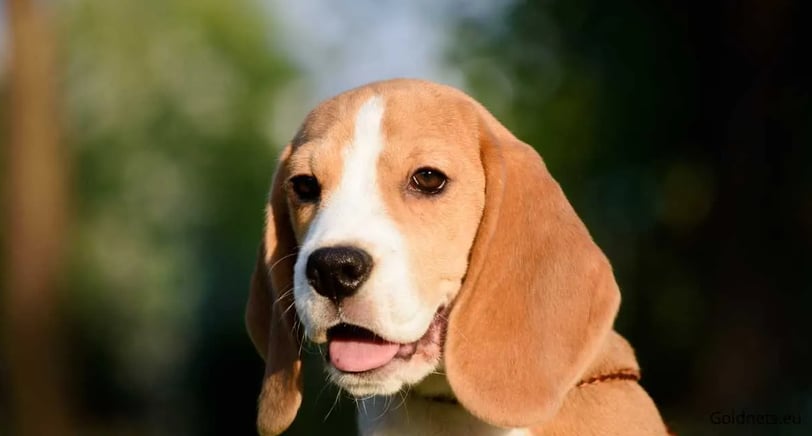

As a special breed of dog, the English Foxhound has various qualities and characteristics that contribute to its popularity. Many people consider this breed attractive mainly because of its active lifestyle and its original function of chasing foxes. Foxhounds' distinctive physiology, which includes long legs and an elegant build, as well as their lively personalities, have attracted the attention of many dog lovers.
Foxhounds stand out in dog breeding with their intelligent and friendly nature, which is why many people choose them as family pets. Due to the English Foxhound's friendly attitude and commitment to people, living next to them can be a lasting experience. This breed adapts exceptionally well to various environments, making it ideal for both urban and rural life, and it also retains its hunting skills acquired during the pursuit of foxes.
This introductory section provides only a taste of the English Foxhound breed. In the following sections, we will deal with the history, appearance and characteristics of the breed in more detail, and we will also present the appropriate care needs. In order to gain a deeper understanding of the English Foxhound, it is essential to get to know these aspects so that future owners can start life together with the dog as well prepared as possible.
History and origin of the English Foxhound breed
The English Foxhound is an ancient dog breed whose roots began in England in the Middle Ages. They were originally used during fox hunting, where they helped hunters with outstanding talent and perseverance. In the development of the breed, the mixing of different dog breeds, such as fighting dogs, greyhounds and different terriers, played a role, which allowed the foxhound to adapt to different hunting conditions.
The primary purpose of breeding foxhounds was speed and endurance, as the quick and agile movement of foxes was a serious challenge for hunters. The range of the breed ranges from a strong physical structure to a good sense of smell, which has contributed to the fact that the foxhound has become an essential tool for everyday hunting. Foxhounds hunt in packs and the habits associated with the breed have been passed down through the generations, so foxhounds have always played a central role in British rural life.
The history of the breed goes back to the end of the 18th century, when the rise of modern hunting and social life based on it raised foxhounds to new heights. In the Victorian era, the popularity of the breed increased, various hunting societies were formed, the purpose of which was to organize fox hunting, so the foxhound became a symbol not only of work, but also of fun. Nowadays, the English foxhound occupies a significant place among the different dog breeds, and its acquired qualities are also recognized as a family dog, while its original use for hunting has remained in the traditional sense.
Appearance, build, coat
The external appearance of the foxhound is impressive and imposing, which gives it a unique place among dog breeds. The dog's body structure is harmonious, powerful and athletic. The typical height of the English Foxhound ranges from 48-58 cm, and its weight also varies, usually around 20-30 kg. The silhouette of this dog breed is elegant and dynamic, allowing it to move quickly and have the endurance that is essential when hunting.
The proportions of the foxhound's head are proportionate, medium-sized, and the long and straight lines form a harmonious harmony. The eyes reflect a lively expression and are typically dark in color, while the ears are long and drooping, which is also part of their character. The body of the dog breed is strong and muscular, and its legs are long and muscular, which allows for excellent mobility.
The fur on the fox's head is short, dense and smooth, which protects it against various weather conditions. The color of the fur can vary, the most common shades are red, brown and white, but combinations of these can also occur. The maintenance of the coat does not require too much attention, regular brushing is sufficient to remove dead hairs and preserve the healthy appearance of the dog breed.
The foxhound is a dog breed with an extremely attractive appearance, which impresses dog lovers with both its physical properties and the beauty of its coat. Its appearance and perfect proportions give it a prominent position among dog breeds, reflecting the history and function of the English Foxhound.
Characteristics and behavior
The English Foxhound is an extremely lively and energetic breed of dog whose temperament has many favorable qualities. This breed is considered one of the most dynamic dog breeds with its long-lasting exercise requirement and active nature. English Foxhounds need regular physical activity such as long walks and games to keep them healthy and balanced. Therefore, it is important for the owners of these dogs to know that without daily exercise, the animal can become tense and suffer from behavioral problems.
Foxhounds are also famous for their friendly nature, they like to make friends with other dogs and people alike. Their socialization needs are also significant; as they are curious and social creatures by nature, early socialization is crucial for a harmonious coexistence. During these experiences, they meet different people, animals and environments, which contributes to their conflict-free behavior in adulthood. English Foxhounds are also intelligent dogs, which means that they are receptive to learning, but this requires consistent and conscious training from the owner.
During training, it is important to use positive reinforcement, which promotes the development of a reliable and stable relationship between the dog and its owner. Attention and love are essential to maintain the favorable behavior of the English Foxhound; with this, we give the animal a chance to live a happy and balanced life. Overall, the English Foxhound is a sociable, active and intelligent breed of dog that, with proper care and training, can be an excellent family companion.
Health and care
The English foxhound, also known as the foxhound, is an energetic and active breed of dog whose health depends largely on proper care and attention. For the longevity and optimal health of these types of dogs, it is important that they visit the vet regularly. Annual veterinary examinations not only include the administration of basic vaccinations, but also allow monitoring of the dogs' general health. These tests can detect potential health problems, such as spinal or joint disorders, which can be common in foxhounds.
The use of regular vaccinations and dewormers is also essential in order to maintain the dog's health. English foxhounds are susceptible to various diseases, so in addition to the mandatory vaccinations, it is important to cooperate with the veterinarian in order to take preventive measures. Recommended vaccinations include rabies, parvovirus and leptospirosis, which help protect your dog from many serious diseases.
Proper nutrition and regular exercise are also essential to maintain the health of the English Foxhound. High-quality, nutrient-rich dog food that matches the dog's age and activity level promotes well-being. In addition, the dog needs sufficient exercise, which contributes to its physical and mental health. Foxhounds are particularly active, so daily long walks and playtime are recommended for them.
Nutrition and nutritional needs
Foxhounds, like many other dog breeds, have different nutritional needs as they age. With the right feeding practice and nutritious food, it is possible to ensure that the animal develops healthily, remains active even in adulthood, and maintains its vitality as time progresses. Puppies need advanced food that is rich in proteins and essential nutrients. This helps the development of bones, muscles and a proper immune system. When feeding your puppy, it is ideal to choose special puppy food that has been specially optimized for the needs of foxhounds.
As the foxhound reaches adulthood, its nutritional needs change. Adult dogs usually need 2-3 meals a day, and in addition to the nutritional content, the right level of calories is also important in maintaining their weight. A balanced diet is recommended, containing the necessary protein, fats, carbohydrates and vitamins. The type of food can be varied, from industrially produced dry food to homemade meals, taking into account the dog's unique needs and possible food sensitivities.
In the case of older foxhounds, feeding deserves special attention. Older dogs can have a slower metabolism and are often more prone to being overweight. Accordingly, it is important that the diet contains formulas with a lower fat content and specially designed for older dogs. A regular veterinary check-up can help assess the individual nutritional needs and determine the diet, so that the foxhound maintains the best possible shape in every stage of its life.
Who is the English foxhound recommended for?
The English Foxhound is an extremely versatile dog breed that requires special attention in creating the ideal family environment. This breed is best recommended for active families where the dog can expect regular exercise and mental challenges. Foxhounds are extremely energetic and playful, so they need daily exercise, at least one hour a day of intense activity. Families with young children may be particularly well suited to this dog, as the foxhound's friendly and patient nature makes it a good companion for children.
However, it is important that the socialization and training of the English Foxhound play a prominent role in the dog's life. Homes where owners are able to take an active part in training their dogs are ideal. This breed of dog needs a stable leader who uses consistent methods in training. Obedience training and positive reinforcement techniques are particularly effective for foxhounds.
It is also important for the English Foxhound to be occupied not only physically, but also mentally. Owners who enjoy joint activities such as agility or dog sports can also do well with this breed. Finally, owners should understand that foxhounds have true hunting instincts, so it is not recommended to keep them in households with smaller animals such as cats or small rodents. After careful consideration of family circumstances and lifestyle expectations, it becomes obvious to whom the English Foxhound is best recommended.
Useful websites:noinet.hu