


The Complete Guide to the Harrier Dog Breed
The Harrier dog breed is increasingly popular among dog lovers. It is well known that this breed is attractive not only because of its aesthetic appearance, but also because of its distinctive personality and versatility.
DOGS
12/3/20246 min read
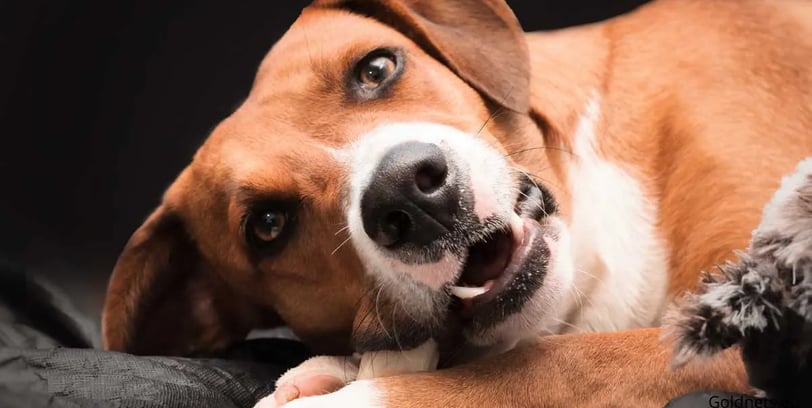

The Harrier dog breed is increasingly popular among dog lovers. It is well known that this breed is attractive not only because of its aesthetic appearance, but also because of its distinctive personality and versatility. The Harrier is a medium-sized dog that hydrates the traditions of the British and can be an excellent companion in both sporting and family environments. Among other things, it is found among hunting dogs, as it was originally used to drive rabbits and other small game.
This article aims to provide detailed and comprehensive information about the Harrier dog breed to help you understand the history, appearance, behavior and care needs of this special dog. Harrier dogs, with their charming, friendly nature, have become ideal companions that can be enjoyed by all members of the family. Due to their hardworking, energetic character and endurance, the breed is also preferred for sporting activities.
This dog breed has remarkable intelligence and as such responds well to training. However, it is important to emphasize that regular exercise and mental stimulation are essential for Harrier dogs, as these characteristics contribute to making them happy, balanced dogs. In the following sections, we will present the Harrier breed in more detail and try to answer the most common questions, thus enabling you to get the information you need to choose a dog.
Breed History and Origin
The roots of the Harrier dog breed go back to the United Kingdom, where it was developed during the Middle Ages. The breed was originally bred for hunting purposes, mainly for chasing rabbits and other small game. The Harrier can be characterized by random crosses and the origin of the beagle, and thus represented a kind of intermediate form between hunting dogs. The ancestors of ancient English hunting dogs such as the Harrier undoubtedly contributed to the breed's character and temperament.
The popularity of the Harrier increased by the 19th century, when it spread among the middle class who liked to hunt and live in the countryside. Their breeders focused on the dogs' physical attributes and fine-tuning their hunting instincts to make them reliable hunting companions. The breed was primarily valued for its speed and endurance, as well as its medium size, which made it ideal for adapting to a variety of terrain conditions.
Appearance and Body Structure
The Harrier dog breed boasts a special and attractive appearance that distinguishes it from other breeds. These dogs are medium-sized, with an average height of 48-56 cm and a weight of 18-27 kg. The body structure of the Harrier is muscular, strong and symmetrical, which is ideal for hunting, as the dogs are extremely mobile and tenacious. Their legs are long and well developed, which allow them to move quickly and efficiently in the field.
Coat and Color
The Harrier's coat is short, dense and water repellent, which helps them adapt to different weather conditions. The coat usually has a smooth surface, which makes it easy for dogs to maintain. The Harrier breed is mainly characterized by the tricolor color, consisting of black, orange and white shades. In addition, we can also meet other color combinations, for example red and white or black and white mixtures, which highlight the diversity of this dog breed even more.
It is important for Harrier owners to be aware of the physical features of their dogs, as these are not only specific to the breed, but also help to maintain the dog's health. In order to maintain the breed's traits, it's worth getting to know the Harrier's appearance thoroughly, as it contributes to the dog's overall well-being and happiness.
Characteristics and Behavior
The Harrier dog breed, which belongs to the English hunting dog category, stands out for its extremely active and energetic nature. The basic temperament of this breed is friendliness and curiosity, which allows them to easily adapt to different environments. Harrier dogs make excellent family companions, however it is important to recognize that their social needs are higher than those of many other dog breeds. Interaction with other dogs and people is essential for their harmonious development.
In addition to their activity levels, Harrier dogs also show in their behavior. They may tend to think independently, which can sometimes be a challenge when training. It is important that the owners train them consistently and patiently, and at the same time offer them varied and enjoyable training programs. Positive reinforcement can be extremely effective, as Harrier dogs love praise and rewards, so they can be more easily motivated during training.
Proper socialization is essential for the development of Harrier dogs. Because they are sensitive to the presence of other animals and people, early socialization as a puppy can help them grow into confident and well-balanced adults. Ideally, Harrier dogs require regular walks and participation in dog sports, which not only provide physical but also mental challenges. With proper care and attention, Harrier dogs can become loyal and loving companions.
Health and Care
The Harrier dog breed is known to be healthy, but like all breeds, it has its own health challenges. One of the most common problems to deal with in Harrier dogs is hip dysplasia, which is a disorder of the dog's hip joint. They may also be prone to ear infections, especially if their ears are not kept clean. Heart diseases such as dilated cardiomyopathy can also occur in this breed, so regular medical check-ups are essential. For Harriers, it is essential that owners pay attention to the dog's health and possible symptoms.
Regular veterinary check-ups, appropriate vaccines, antiparasitic treatments and annual screenings all contribute to keeping your dog healthy. Harrier owners would benefit from early screening of their dogs for hip and heart problems to detect potential abnormalities early. In order to preserve health, proper nutrition is also essential; dogs should be provided with a balanced diet, taking into account their activity level and age.
Caring for the Harrier dog breed includes not only the maintenance of health, but also mental well-being. Providing adequate exercise, interactions and shared activities all contribute to the dog's happiness. Regular walks, playtime and socialization are also essential elements of care as they help reduce the risk of developing behavioral problems.
Nutrition
The Harrier is a dog breed that has been known since the Middle Ages and has special nutritional needs that must be taken into account in order to keep the dog healthy. For the Harrier with an active lifestyle, usually present as a hunting or sporting dog, adequate nutritional intake is essential. The diet should be balanced, ensuring the right ratio of the necessary proteins, fats, carbohydrates, vitamins and minerals.
Depending on the age, the nutritional needs of the Harrier dog change. As cubs, young Harriers need a particularly rich protein diet for growth and development. Adult Harriers need 2-3 meals per day, with around 1-1.5 cups of high-quality dog food recommended, depending on the dog's activity level. Older dogs, who are no longer as active, may generally need less food and an easier-to-digest diet, so it is especially important to pay attention to the concentration of nutrients.
In addition to a proper diet, nutritional supplements also play an important role in maintaining the health of the Harrier. Omega-3 and Omega-6 fatty acids, vitamins such as vitamin E and C, and minerals such as calcium and phosphorus contribute to strengthening the dog's immune system and improving its general health. In addition, it is worth considering the dog's individual sensitivities and health status, on the basis of which we can create a personalized diet.
Who is the Harrier dog breed recommended for?
The Harrier dog breed is a lively and energetic dog that can be an ideal choice for active families. This breed is particularly suitable for people who regularly exercise or spend time outdoors, as the Harrier needs a lot of exercise and stimulation. Since they are curious and playful dogs by nature, they can be excellent companions even with children in the right environment. Families, especially sporty parents, should consider this breed.
For those who like to go on long walks or runs, the Harrier is an ideal companion, as it not only ensures a safe arrival home, but also supports a sporty lifestyle. In addition, the Harrier breed has a strong social need, so it is important that the owner is able to devote enough time to the dog. The breed benefits from living with someone who is willing to engage with it, whether it's training plans or simple entertainment.
It is important that the owner of the Harrier is an experienced dog owner who can handle the more independent nature of the breed. Training these dogs requires patience and consistency, as they tend to make decisions of their own accord. Furthermore, the Harrier needs an environment that provides the movement and play it needs, so it is not recommended for apartments where there is not enough free space and opportunities to run around.
With all this in mind, the Harrier can be an ideal choice for those looking for a lively and active dog for a dynamic lifestyle.
Useful websites:noinet.hu