


The bullmastiff: A perfect companion in the family
The bullmastiff is a truly special breed of dog that impresses many not only with its appearance, but also with its temperament. The breed was created by crossing the bulldog and the mastiff, so its appearance suggests strength and elegance.
DOGS
11/12/20246 min read
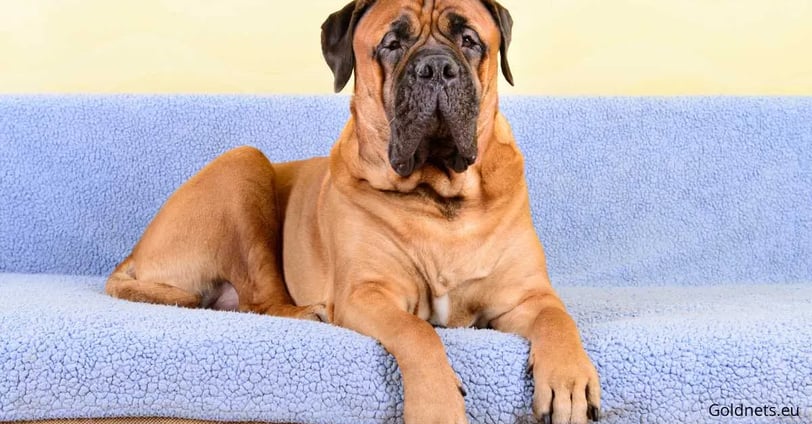

The bullmastiff is a truly special breed of dog that impresses many not only with its appearance, but also with its temperament. The breed was created by crossing the bulldog and the mastiff, so its appearance suggests strength and elegance. Bullmastiffs are widely popular as family dogs and many choose them as loyal companions. For those who want such a dog, it is important to get to know the background of the breed, as this can help to recognize the unique characteristics and needs of bullmastiffs.
Bullmastiffs have outstanding protective instincts, which makes them excellent housekeepers, but they are also extremely affectionate towards their families. The frequent appearance of such dogs on the family scene not only strengthens family ties, but also gives their owners a sense of security. It is important to understand that the breed requires proper training and socialization, during which bullmastiffs adapt well to different environments and people.
The purpose of this paper is to provide comprehensive information about bullmastiffs, taking into account their history, conformation and behavior. Contrary to the misconceptions surrounding the dog breed, which can be common, it is important to dispel ideas that are far from reality. In this article, we aim to reveal what great family companions bullmastiffs can be and why they deserve a home with the right owners.
History and origin of the Bullmastiff breed
The origin of the bullmastiff breed dates back to the Middle Ages, when dogs were bred for various and unique purposes. The predecessors of the ancient bullmastiff, such as bulldogs and mastiffs, were developed in Roman times as dogs specifically used for fighting and defense. England, where bullmastiffs played a role in the protection of various agricultural activities, should be considered as the place of breeding.
The bullmastiff, as a breed, was born in the XIX. it received more attention in the middle of the 20th century, when breeders consciously selected the specimens that were best suited to perform the protective tasks required in family and economic circumstances. Throughout the breed's history, bullmastiffs have been used to guard livestock, deter criminals, and be helpful, so they have developed extraordinary protective tendencies and loyalty through various social roles.
Over time, the social importance of bullmastiffs has steadily increased, and today, in addition to their appearance, their thoughtful behavior has become known. Today, bullmastiffs are not only protective dogs, but also reliable family companions. The breed is mostly characterized by love and loyalty, which makes them an indispensable companion for many families in this modern world.
Appearance, build and coat
The exceptional appearance of the bullmastiff is immediately noticeable when one sees one. This breed is characterized by its massive body structure and imposing size, which can include individuals weighing up to 50-86 kg and 60-68 cm tall. Bullmastiffs have a robust appearance thanks to their powerful build and muscular endurance. Their broad head, expressive facial features and deep chest are striking, which are highlighted as hereditary characteristics of the breed.
The bullmastiff's coat is short and dense, and its type is smooth, which promotes temperature regulation and daily activity. Coat colors range widely, from yellow to reddish-brown to brindle (striped). The most characteristic thing is that the coat of the bullmastiff is not only remarkable from an aesthetic point of view, but also practical: the smooth surface makes it easier to care for the dog, while also reducing shedding, which makes this breed even more attractive for families.
With its exceptionally imposing figure and strength, this huge dog fits very well into family life. It is important that bullmastiffs not only represent physical strength due to their body structure, but are also extremely territorial, thus serving as protectors. Together, this versatility and robust appearance form the bullmastiff's characteristic image, which justifies its popularity among family dogs.
Characteristics and behavior
Bullmastiffs stand out in the dog world with their unique temperament and behavior. These dogs are generally calm, alert and loyal, which makes them perfect family companions. The bullmastiff is excellently attached to its owner and family, thus becoming an important element of the home. Known for their protective nature, they form close bonds with family members and do not hesitate to protect them when necessary.
Their activity level varies, but is usually moderate; they also feel good in a calm environment, which means that it is enough to provide them with daily walks and games. For adult bullmastiffs, physical activity does not require too much time, but young dogs need more exercise in order to develop healthily. Bullmastiffs love being outdoors, but they also need adequate mental stimulation to avoid behavioral problems caused by boredom.
Their social interaction with animals is also important. Bullmastiffs are generally good with other dogs if they have been properly socialized. It is worth introducing them to other animals at a young age and providing them with positive experiences. Regarding their training needs, bullmastiffs can be said to be intelligent, but they can be stubborn, so patient and consistent training is necessary. Positive reinforcement can be an effective method during the training process, which promotes the development of mutual respect between the dog and its owner.
Health and care
The health and daily care of a bullmastiff is of prime importance to ensure a long and happy life for the dog. It is essential that owners provide their dogs with appropriate medical care, which includes regular veterinary examinations. These tests allow early detection of potential health problems and help ensure that the bullmastiff is properly immunized and dewormed.
Bullmastiffs can be predisposed to certain health conditions such as hip dysplasia, intestinal diverticulum and heart disease. In order to avoid these problems, it is important for owners to get to know their dog's genetic background and health. In addition to regular veterinary checks, it is also beneficial to ensure adequate nutrition. Bullmastiffs need a nutritious and balanced diet, taking into account their age, activity level and health.
The physical activity of dogs is also crucial during daily care. Bullmastiffs need regular walks and playtime to maintain a healthy weight and general health. Dog training is also essential, as it helps the dog learn basic commands and strengthens the relationship between owner and dog.
Finally, owners must also pay attention to the mental health of bullmastiffs. Appropriate stimulation, such as interactive games and socializing with other dogs, can contribute to a happy and balanced life. In this way, bullmastiffs not only remain physically healthier, but also become more emotionally stable.
Health risks
Bullmastiffs, like many other dog breeds, are prone to certain health problems that may affect their quality of life. One of the most common diseases we encounter is hip dysplasia, which has a genetic background. This disease means the abnormal development of the hip joint, which can cause pain and arthritis. In the case of bullmastiffs, it is especially important that the health of the parents is carefully checked before breeding.
In addition, bullmastiffs often suffer from other hereditary diseases, such as heart disease, intestinal disorders or skin problems. It is important for dog owners to be in constant contact with their veterinarian, as early detection often plays a key role in treating diseases and keeping the dog healthy. Through appropriate tests and screenings, owners have a greater chance of detecting potential problems, thereby reducing more serious consequences.
In order to prevent it, owners of bullmastiffs should plan regular veterinary check-ups, where the dog's general state of health and signs of potential genetic diseases are examined. In addition, proper nutrition, exercise and the appropriate design of the dog's environment can all contribute to the long and healthy life of bullmastiffs. Smart owners should also pay attention to the behavior and physical condition of their dogs, as early detection can provide an opportunity for quick intervention.
Nutrition and care needs
A bullmastiff's nutritional needs depend significantly on its age, activity level and general health. Puppies, adults and older dogs all have different nutritional needs. In order to develop as a puppy, bullmastiff puppies need food rich in protein, calcium and the right vitamins. Fibrous, nutrient-rich food helps the development of bones and muscles, which is essential for the development of a healthy adult body.
The adult bullmastiff's diet is usually supplemented with high-protein foods of animal origin, such as meat and fish, nutrient-rich cereals and vegetables. When choosing the number and amount of daily meals, the dog's activity level must be taken into account in order to avoid obesity, which can lead to various health problems.
Also, variety in the diet is essential, as bullmastiffs can be sensitive to certain foods and a monotonous diet can cause problems. By introducing different foods, we can avoid the development of food allergies. In order to optimize the nutrition of dogs, it is worth consulting with a veterinarian, who can help determine individual nutritional needs and guide the development of an appropriate diet.
Useful websites:noinet.hu