


The Brie Shepherd: Everything you need to know
The Brie Shepherd dog is a breed originally from France, which is both an excellent companion and working dog. It has become extremely popular among dog lovers due to its charming appearance, friendly nature and intelligence.
DOGS
11/11/20246 min read
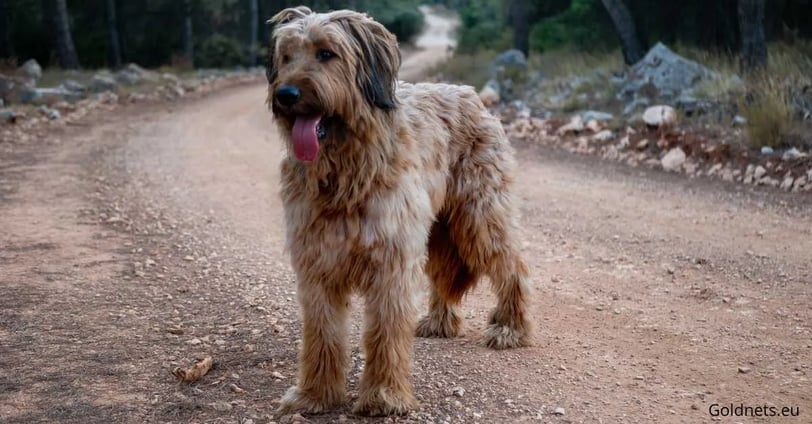

The Brie sheepdog is a breed originally from France, which is both an excellent companion and working dog. It has become extremely popular among dog lovers due to its charming appearance, friendly nature and intelligence. This breed developed as part of rural life, where it was mainly used for herding flocks. By nature, the Brie sheepdog is extremely loving and devoted to its owner, which is why many people choose it as a family pet. In addition, they stand out from other breeds due to their remarkable physical abilities and willingness to learn.
The most important characteristics of the Brie Shepherd include the need for an active lifestyle and a high level of intelligence, which allows it to perform various tasks expertly. Such dogs usually adapt well to changing conditions, are able to work independently, but at the same time require direct interaction with their owner. This breed can be an ideal companion for people who want to take advantage of the Brie Shepherd's natural abilities, be it agility competitions or simple dog walking.
The purpose of this blog post is to provide detailed information on the characteristics and needs of the Brie Shepherd, thereby helping readers gain a deeper understanding of the breed. Readers will find plenty of useful information to help them properly care for this loving breed of dog, whether they are prospective owners or just interested in them.
Brie Sheepdog History and origin of the breed
The Brie sheepdog, which originates from the north of France, has a history dating back several centuries. The roots of this breed can be traced back to ancient herding dogs, which helped guard and herd livestock in the Middle Ages. This excellent dog not only performed herding work, but was also responsible for the protection of animals, so it had wide-ranging and versatile abilities. The appearance and characteristics of the Brie sheepdog responded to the needs developed in the Puy-de-Dôme region, where shepherds were interested in well-rounded and reliable dogs.
Regarding the development of the breed, it is important to mention that the Brie sheepdog was crossed with different breeds that contributed to the development of today's dogs. Over time, the popularity of the Brie sheepdog increased not only in France, but also worldwide. The breed really started to spread at the beginning of the 20th century, when dog shows and competitions helped popularize Brie sheepdogs.
Its popularity in modern times has been further boosted by people discovering the Brie Sheepdog's intelligence, kindness and excellent learning abilities. It established itself not only as a herding dog, but also as a loyal family pet, making it a popular choice among today's dog owners. All these factors contributed to the Brie Shepherd becoming one of the most recognized herding dogs in the world.
Appearance, build, coat
The typical appearance of the Brie sheepdog differs from other breeds in many ways, so it is immediately recognizable. The height of the ideal adult Brie Shepherd ranges from approximately 55-68 cm, while its weight is in the range of 25-40 kg. These dogs have a strong spine and a massive body structure, which provides the strength and endurance needed for their work. Their well-proportioned body structure helps them to remain agile and at the same time have enough muscles to perform various tasks.
The type of coat in Brie Sheepdogs is long and soft, close to a dense and waterproof texture that protects them against adverse weather conditions. Coat color can vary, the most common being brown, black, white, agouti, and various shades of brown or black. Brie Sheepdogs require regular grooming as they are prone to tangles, so it is important for owners to treat their coats properly to avoid them.
It is important to mention that the appearance is not only made up of aesthetic elements; movement and posture are closely related to the behavior and health of dogs. Brie sheepdogs are active and playful by nature, which also contributes to their physical condition. The basically consistent and determined posture that is expected of this breed reflects their intelligence and their attitude to work. Therefore, the appearance of the Brie sheepdog is not only used to show the characteristics of the breed, but also refers to their functional abilities.
Characteristics and behavior
As a smart and energetic breed, the Brie sheepdog has outstanding characteristics that help it adapt to family life. This dog is an extremely reliable companion that, with its loyalty and love, forms a high level of attachment with its owner and other members of the family. Dogs of this type are usually friendly, which is ensured by a solid foundation of their socialization. Brie Shepherds are so adaptable that they are comfortable around children and other pets, making them an ideal choice for active families.
Considering their activity level, it is important to understand that these dogs require regular exercise and mental stimulation. They especially need daily exercise, which can be walking, agility training or active games, as this helps prevent behavioral problems. Brie sheepdogs are naturally intelligent creatures, so compliance with appropriate training requirements is essential. These types of dogs are extremely receptive to instructions, so consistent training habits based on positive reinforcement and socialization of the dog can help reinforce ideal behavior.
Brie sheepdogs are usually extremely sensitive and empathetic, so family interactions, the familiar environment and the mood of their owner have a serious effect on their behavior. These dogs especially enjoy company and active, interactive games that help with further socialization. As a result of proper training and conscious occupation, the Brie Shepherd will be a balanced and happy companion in the family.
Health and care
The Brie Shepherd, like many other dog breeds, has specific health needs and potential health problems. Dog owners should pay special attention to regular veterinary check-ups, as they are essential in maintaining the dog's health. During annual routine examinations, veterinarians not only evaluate the general condition, but also make recommendations for vaccinations, deworming, and antiparasitic treatments.
Home care is also a key element in maintaining the health of the Brie Shepherd. It is important to provide the dog with a suitable diet, which helps to avoid obesity and nutritional deficiencies. The Brie Shepherd is an active, energetic animal, so regular exercise is essential to maintain its health. In addition to daily walks, it is also worth providing them with mental challenges, for example in the form of games, which stimulate the dogs' thinking and their energy.
The Brie Sheepdog can be particularly susceptible to joint problems, so dog owners should pay attention to their dog's movement and activity level. In order to maintain the health of joints and bones, proper nutrition and careful exercise are recommended; strengthening dogs' muscles can also help prevent musculoskeletal problems. Dental care and keeping the ears clean are also part of everyday care, as these areas are prone to problems.
Overall, careful attention is essential to keeping your Brie Shepherd healthy. Regular medical check-ups, proper nutrition, regular exercise and hygienic habits all contribute to a dog's long and healthy life.
Health risks
Brie Sheepdogs, like many other breeds, can face a number of health risks. Genetic predispositions affect the health of dogs, and certain diseases may be more common in their breed. One of the most typical problems is hip and elbow narrowing, which can cause limited mobility and pain. These pathological conditions are usually hereditary and passed from parents to offspring.
Another common health problem Brie Shepherds may encounter is heart disease, especially dilated cardiomyopathy. This disease affects the normal functioning of the heart and is often diagnosed at an older age. In order to prevent heart problems, a healthy diet, adequate exercise and regular veterinary check-ups are important.
Additionally, Brie Shepherds can be prone to eye problems, such as progressive retinal atrophy, which involves a gradual loss of vision. In addition, skin diseases are also a significant risk, in many cases due to allergic reactions or parasites. Regular bathing and proper skin care can help in prevention.
Taking into account the above health risks, proper medical care for the Brie Shepherd is essential. Veterinary examinations, vaccinations and the use of correct eating habits can significantly contribute to the dog's long-term health and well-being.
Nutrition and care needs
The nutritional needs of the Brie Shepherd are closely related to the breed's activity and life stages. These dogs are generally active and energetic puppies and adults, for which proper nutrition is essential. For optimal nutrition, Brie Shepherds need a balanced diet that contains the right amount of protein, fat, vitamins, minerals and other nutrients.
The frequency of feeding is also an important factor. It is recommended to feed puppies three to four times a day, while in the case of adult brie sheepdogs this can be reduced to two to three times a day. The amount of food depends on the dog's size, age, activity level and metabolism, so it is recommended to consult a veterinarian to determine specific needs.
Establishing proper eating habits is extremely important, as Brie sheepdogs can be prone to obesity if we do not pay attention to the dosage. In addition to measuring portions, if possible we should avoid excessive use of reward treats, which can quickly add to the dog's daily caloric intake. In addition, high-quality dog food specially prepared for the breed can help the dog to grow up healthy and live a happy life. A healthy diet has a positive effect not only on their physical condition, but also on their mental health, thus improving their characteristic cheerful nature.
Useful websites:noinet.hu