


The Basenji Dog: The Expert's Guide
The Basenji dog, often referred to as the "barking dog", is one of the ancient dog breeds of Central Africa. It is mainly found in the Congo, where it was traditionally used for hunting and as a companion.
DOGS
11/10/20248 min read
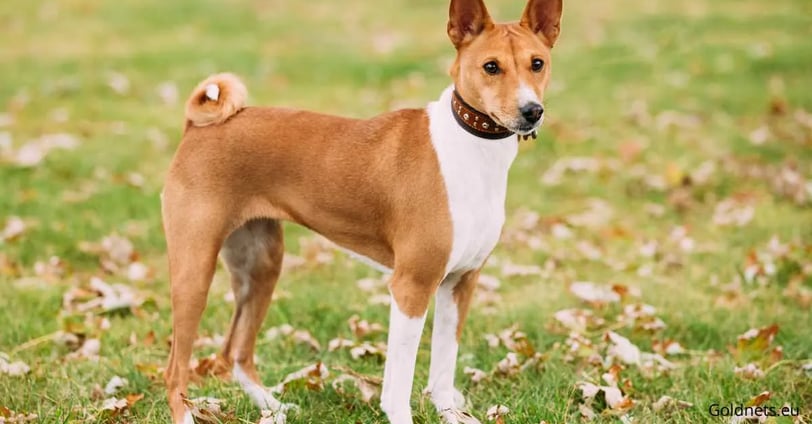

The Basenji dog, often referred to as the "barking dog", is one of the ancient dog breeds of Central Africa. It is mainly found in the Congo, where it was traditionally used for hunting and as a companion. The importance of this special breed of dog lies not only in its distinct appearance and unique character traits, but also in the fact that the Basenji is a loyal companion that, with the right owner, can become a truly devoted friend. For people looking for a dog, the Basenji is an interesting option that should be carefully considered.
These dogs are especially popular for their independent spirit and intelligence. We can get to know the Basenji not only as a pet, but also as a dog that can enjoy an active lifestyle and at the same time feel good without being constantly in the center of our attention. They adapt to almost any situation, be it city or country life. Their relationship with the owners is authentic and deep; loyal companions who reassure and inspire those around them.
However, keeping a Basenji can be challenging. Due to their independent nature, it is important that owners are aware of the difficulties that the breed's special needs can cause. Proper training and socialization must be taken care of in order for the Basenji to live a harmonious life in the human environment. Taking this into account, the Basenji dog can be an ideal choice for potential owners who are looking for an active and innovative companion in their lives.
Breed history and origin
The Basenji dog breed is considered one of the oldest dog breeds in the world, dating back thousands of years. Its origins can be traced back to the Congo region in Central Africa, where the breed was traditionally used for hunting. The main characteristic of the Basenji is that it adapts extremely well to the tropical environment and has a quick reaction time that contributes to successful hunting.
According to ancient legends, Basenji dogs were sacred animals that were revered and valued by some African tribes. They were able to perform various tasks, such as following the pressure of wild animals and taming animals. Basenji dogs have long played a role in African cultures, as they were not only hunting companions, but also played an important role in households as protectors and companions.
During the development of Basenji dogs, the breeding program aimed at maintaining the best abilities and characteristics was particularly important. With the help of modern breeding practices, the Basenji is now a globally available and popular breed. In the 1950s, the breed reached Europe and North America, where it won the recognition of kennel clubs and dog places. The Basenji dog has thus become an integral part of the rich heritage of today's dog breeds, playing an important role in both past and present culture.
Appearance, build, coat
The Basenji dog, often referred to as the African Shorthair dog, has a remarkable appearance and body structure. This breed is known as a small to medium-sized dog, adult individuals are usually 38-46 cm tall and weigh between 9-11 kg. Its body structure is slim and elegant, thanks to which it is extremely mobile and agile. The movement of the Basenji reflects its natural agility, which emphasizes the breed's uniqueness even more.
The Basenji's coat is short and smooth, which is not only aesthetically appealing, but also practical. A short coat makes the dog easier to groom as it sheds less hair and reduces the chance of knots and tangles forming on the coat. The dog's coat is usually evenly distributed over its body and comes in a wide range of colors, including black, red and white combinations, which further enhance the distinctiveness of each individual.
Their unique features include the distinctive, somewhat "thumb-toed" appearance that sets the Basenji apart from other breeds. The shape of the dog's ears is also eye-catching; their ears are erect, triangular, which emphasizes the alertness and attentiveness of the Basenji. With the help of this, this dog can easily detect the events taking place in its environment, which indicates their prey-hunting nature.
Characteristics and behavior
The Basenji, one of the oldest dog breeds in the world, has a special temperament and behavioral characteristics. It belongs to the active, energetic dogs whose daily exercise needs are significant. These dogs are extremely curious and intelligent, so it is important that their owners engage with them and provide them with sufficient physical and mental stimulation. The Basenji adapts well to changing environments, but needs a close bond with its owner, as without daily interactions, dogs can be prone to boredom and destructive behavior.
The Basenji is a sociable dog that enjoys spending time with its family. Socialization is essential from a young age, as it helps the dog to get used to the presence of other animals and people. The Basenji has a friendly but independent nature, which means that they often try to assert their own will. Learning basic commands and attending dog schools can go a long way in keeping your Basenji's behavior balanced.
During their training, it is important to use methods of positive reinforcement, which Basenji dogs respond particularly well to. A gentle but firm approach is essential when disciplining, as overly harsh treatment can cause fearful or withdrawn behavior. The Basenji's temperament is special in many ways, so working with them requires understanding and patience so that the dog can get the best out of both himself and his owner.
Health and care
Basenji health care is extremely important as this breed is prone to certain genetic health problems. Regular veterinary examinations are essential to detect possible diseases such as hip dysplasia, heart disease and kidney disease. It is worth participating in routine screening tests at least once a year, but ideally in half the number.
Basenji dogs are also prone to certain skin diseases, so regular bathing and grooming can help keep their skin healthy. Proper nutrition is also key, as the nutrients in a dog's blood directly affect their overall health. High-quality dog food, rich in protein and fatty acids, contributes to the shine of the Basenji's coat and the health of its skin. In addition, the dog must have access to a sufficient amount of clean water.
Environmental factors such as Siberian snowfall or hot climates can also affect the health of Basenji dogs, so it is important for owners to monitor environmental influences. Due to their active nature, dogs need regular exercise, which helps to maintain not only their physical health, but also their mental well-being. Constant daily walks, games and agility exercises contribute to the happiness and health of dogs.
Finally, in order to strengthen the bond, owners should spend time with their dog, providing love and attention. For their emotional well-being, interactions such as hugs, petting and playing together will help your Basenji live a happy and healthy life.
Health risks
Although Basenji dogs are generally considered to be a healthy breed, they are not free from various health risks. One of the most common problems that Basenji owners can face is hypothyroidism, or an underactive thyroid gland. As a result of this hormonal disorder, dogs' energy levels decrease, weight gain can occur, and skin problems can also appear. It is therefore important that Basenji dogs undergo regular veterinary check-ups so that problems can be detected in time.
Also, other genetic risks specific to the Basenji breed include von Willebrand's disease, which is an inherited bleeding disorder. This disease affects the blood's ability to clot and may require serious interventions, especially during surgical procedures. Basenji dogs can also develop eye problems such as progressive retinal atrophy (PRA), which leads to progressive vision loss. In order to recognize and treat these diseases, appropriate genetic screening and the selection of experienced breeders are essential.
Proper nutrition, regular exercise and regular veterinary examinations can help minimize the health risks of Basenji dogs. Timely prevention and conscious animal husbandry can contribute to a dog's long and healthy life. Due to hereditary health issues, it is recommended to purchase from responsible breeders who screen parents for potential genetic diseases. By taking these measures into account, the general health of Basenji dogs can be significantly improved.
Nutrition and care needs
The nutritional needs of Basenji dogs vary depending on their age and activity level. For a puppy Basenji, the right food is crucial for development, and the food should be rich in protein, vitamins and minerals. The recommended daily amount of food is usually ¼-½ cup divided into 3-4 meals, which can be gradually increased as the dog grows. For an adult Basenji, the daily amount of food can be 1-1.5 cups, depending on how active the dog is. Quality dry food can smoothly support the healthy development and activity of the Basenji.
In addition to nutrition, the Basenji dog also needs regular exercise to maintain its physical and mental health. An adult Basenji needs 1-2 hours of active exercise per day, which may include walks, runs or playing outside. It is especially important to provide mental stimulation, as the Basenji is an intelligent and curious dog. Dogs often need a variety of toys and interactive activities to keep them engaged.
The sleep needs of the Basenji also require attention, as its average daily sleep time is 12-14 hours. For the sake of comfort, it is worth creating a calm and undisturbed sleeping place where you can relax. In addition, dogs are social animals, so it is important that they regularly interact with their family members and other dogs. By considering these aspects of Basenji care, you can ensure that the dog lives a happy and healthy life.
Who is the Basenji recommended for?
With its unique characteristics and temperament, the Basenji dog is recommended for different owners. It is primarily suitable for people who are experienced dog owners, as this breed does not always withstand the challenges brought by beginners. The Basenji's intelligent but stubborn nature can easily make basic obedience training difficult, so proper experience is essential for success. Therefore, those who want to introduce the Basenji dog into their lives are better off if they already have some knowledge about dog keeping.
Another important aspect is that this active and playful breed of Basenji is best suited to owners who like exercise and outdoor activities. Basenji dogs require daily exercise, so they are an ideal choice for those who are willing to go for regular walks, runs and various games. This breed of dog likes to participate in various sports activities, such as agility or flyball, which can create an additional bond between the owner and the dog.
It is also important to consider the owner's lifestyle. Basenji dogs do not really like being confined, so it is ideal if the new owner has a fenced yard where the dog can move freely. Also, environments where there is silence and calm are also beneficial, as the Basenji tends to think independently and does not always accept commotion or high noise levels. Overall, the Basenji is a suitable choice for experienced dog owners who have an active lifestyle and are able to provide the right environment for the dog.
New research and farm stories
The Basenji dog, often called the "barkless dog", is an old African dog breed that has received a lot of attention in modern dog breeding. New research shows the keeping and rearing habits of Basenjis, as well as their adaptability. Recent studies suggest that Basenji dogs have extraordinary intelligence and independent thinking, which further cements their place among dog breeds. These dogs are characterized by low energy levels, which encourages owners to be active and play sports with the Basenji.
Based on the experience of farmers, keeping a Basenji brings a lot of joy and excitement. During the interviews, it was revealed that these dogs form an extremely strong bond with their owner, but at the same time they require free movement and mental challenges. According to people, the Basenji is not only a pet, but also a loyal companion with whom you can build a close relationship. Owners looking for more information about their breed often share how important it is to understand the Basenji's temperament and behavioral characteristics.
Based on accumulated experience, both researchers and dog owners emphasize the role of appropriate socialization and training methods in the successful keeping of Basenji dogs. The stories of the owners and scientific research contribute significantly to the formation of a harmonious relationship between the dog and its owner, thus the Basenji dog and its place among modern dog breeds are rising more and more.
Useful websites:noinet.hu