


The Australian Shepherd: The Expert's Guide
The Australian Shepherd, also known as the Australian Shepherd, is an extremely popular dog breed in the dog hobby world. This breed was originally developed in the United States in the 19th century. at the end of the century, and has now become a widespread and popular companion animal worldwide.
DOGS
11/10/20247 min read
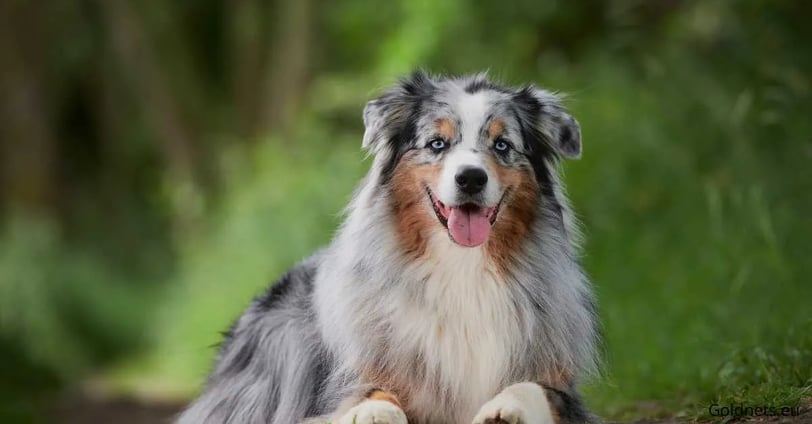

The Australian Shepherd, also known as the Australian Shepherd, is an extremely popular dog breed in the dog hobby world. This breed was originally developed in the United States in the 19th century. at the end of the century, and has now become a widespread and popular companion animal worldwide. The Australian shepherd belongs mainly to the category of working dogs, which is why many people choose him as a helper for economic and other activities, such as herding. The breed's outstanding intelligence and adaptability make it attractive to many dog lovers.
The breed has striking external features such as a well-formed, muscular body, a colorful and varied coat, and attentive, alert eyes that are always ready for work. Australian Shepherds are extremely energetic and need regular exercise, so the right environment and the owner's activity are essential for their happiness. The dog's favorable character traits, such as loyalty, playfulness and commitment to family ties, make this breed a clear choice for many owners.
It is important to understand that the Australian Shepherd conquers not only with its beautiful appearance, but also with its extraordinary working abilities. Thanks to their skills and intelligence, they are successful not only on farms, but also in various dog sports. Knowing this breed of dog gives dog owners the opportunity to be better prepared for living with them, as this breed requires proper care and attention. Getting to know the Australian Shepherd is not only fun, but also extremely useful for dog lovers.
Breed history and origin
The Australian Shepherd, as its name suggests, originally appeared in Australia and was developed in the middle of the 19th century. The breed was inspired by the needs of the sheep farming that was spreading at the time, as the local environment and tasks required the creation of a dog that could effectively control and protect the flock. The direct ancestors of the Australian Shepherd are Scottish and English sheepdogs such as the collie and kelpie, which were crossed with breeds best adapted to the Australian environment.
The work of the Australian Shepherd made it a versatile and intelligent dog breed that was embraced by farming communities. Their original field of use was flock herding in large areas, where the dogs skillfully performed various tasks. Over the years, the breed has been selectively bred to maintain the traits fanciers desire, such as courage, intelligence and endurance.
Its popularity began to increase in the middle of the 20th century, when more and more people noticed the excellent abilities of the Australian Shepherd, and many chose them as working dogs, sports dogs or family pets. The breed has won love in many countries and further increased its reputation with excellent performances at numerous shows and competitions. Today, the Australian Shepherd has become a recognized and popular breed not only in Australia, but worldwide.
Appearance and build
As a unique representative of its breed, the Australian Shepherd has an extremely attractive appearance that emphasizes its physical characteristics and working ability. The dog is medium-sized and has a well-proportioned body structure, which enables it to have a high degree of movement and agility. The height of males usually varies between 46-61 cm, while the height of females is between 43-56 cm. Their weight is typically 15-32 kg for males, and 14-24 kg for females.
The dog's muscular structure and strong bones support the stamina and endurance required for work. The chest of the Australian Shepherd is broad and deep, the back is straight, while the belly is slightly tucked in, which is also part of the athletic appearance. The dog's legs are strong, well developed, the toes are closed. The length of the tail varies, but it is usually of medium size, which is adapted to the dynamics of the dog's movements.
Coat and color
In terms of fur, the Australian Shepherd has a double layer that protects it from the elements. The outer coat is coarse, while the undercoat is softer and denser. The color of the coat is very diverse, blue, red and merle are among the most common. Stamped patterns, such as white spots, are also accepted and contribute to the dog's unique appearance. Their hair length can be medium or longer, but regular grooming is essential to maintain their desirable appearance.
The physical appearance of the Australian Shepherd is closely intertwined with its role as a hunting and working dog, and all these characteristics are clearly recorded in the breed standards. The harmonious overall picture of the dog's appearance not only reflects its aesthetic values, but also advertises its loyalty to the breed and its character.
Characteristics and behavior
The Australian Shepherd is a highly intelligent and energetic breed whose temperament and behavior patterns depend on many factors. Dogs have an active, playful nature, which is especially important for owners who have to devote enough time and energy to their dogs. Australian Shepherds' savant cognitive abilities allow them to learn quickly, so training such dogs can usually be a smooth and enjoyable experience.
Because of their activity level, these dogs do best in an environment that provides enough physical and mental challenge. Long walks, games and spending time with their owners are an essential part of their everyday life. The socialization needs of the Australian Shepherd must also be taken into account, so that the dogs behave reliably and kindly in the company of different people and animals. Early socialization can help dogs respond appropriately to new situations and environments.
Under normal circumstances, this breed is friendly and loyal, but in stressful situations or if it does not receive enough attention, it can be prone to hyperactivity. The behavior of an Australian Shepherd must be taken into account when, for example, meeting new people or animals, as the breed also has a kind of guarding instinct. The right environment and training with consistent positive reinforcement are key to a healthy and happy Australian Shepherd.
Health and care
The Australian Shepherd, also known as the Aussie, is an extremely energetic and intelligent dog breed that offers many health benefits in addition to outstanding working abilities. Proper care and nutrition are key to maintaining the long-term health of these dogs. The nutritional needs of the Australian Shepherd are particularly important and require a high quality dog food that contains sufficient protein, fat and minerals for proper development. Particular attention should be paid to the dosage of nutrients according to the weight and activity of the dogs.
Health risks for Australian Shepherds include hip and elbow dysplasia, eye problems, and epilepsy. Regular veterinary check-ups help detect potential problems in time. Exercise and proper socialization also contribute to keeping dogs healthy. Regular exercise not only improves their physical condition, but also provides mental stimulation, which is essential for Australian Shepherds, as they require mental challenges. It is important that they get at least 60-90 minutes of activity every day, which can consist of varied walks, games and training.
Caring for dogs' fur is also of great importance. The dense, waterproof coat of Australian Shepherds requires special attention, especially during shedding periods, when the coat needs grooming several times a week. Ear and tooth care also contributes to the dog's general health. Proper care can ensure many years of life for this wonderful breed and help preserve the lively and happy nature of the Australian Shepherd.
Nutrition
The Australian Shepherd's nutritional needs differ at different stages of life, and understanding them is key to maintaining the dog's health and vitality. During the puppy age, which is from birth to about six months of age, dogs need a high-energy, nutrient-rich diet. Providing protein and vitamins and minerals to support growth and the immune system is essential for their developing bodies. Then it is worth choosing a premium quality puppy food that contains these ingredients in the right proportion.
The nutritional needs of adult Australian Shepherds are more moderate, but a balanced diet is still very important. For adults, it is recommended to distribute the daily meals to avoid overfeeding and overweight, which can also affect the dog's mobility. The feeds must contain the right proportions of proteins, fats and carbohydrates, as well as the necessary vitamins and minerals. Australian Shepherds are generally active and energetic dogs, so their activity level should also be taken into account when it comes to nutrition.
As dogs get older, their nutritional needs continue to change. Older Australian Shepherds need easy-to-digest, low-calorie meals to support joint health and minimize the risk of becoming overweight. As you get older, you should also consider reducing your protein intake and introducing appropriate joint-protecting supplements, such as glucosamine. Regular veterinary check-ups and proper dietary habits can help keep your Australian Shepherd healthy at all stages of life.
Who is the Australian Shepherd recommended for?
The Australian Shepherd, also known as Aussie, is an active, energetic and intelligent dog breed that can be a suitable choice in various life situations. It is ideal for those who lead an active lifestyle and can provide enough exercise in their environment, which this dog requires. Australian Shepherds are highly skilled and enjoy participating in various physical and mental challenges, such as agility competitions or dog sports.
It can also be an excellent choice for families, as long as the family members are ready for an active lifestyle that meets the dog's needs. The dog gets along well with children and other pets, but it is important that they are not so small that they cannot handle the dog's energetic nature. With their impressive learning abilities, Australian Shepherds can also help children develop responsibility and empathy. In addition, dogs form a close bond with their owners, which is particularly important during successful training.
For some, the difference between female and male dogs can also be an important factor. Male Australian Shepherds are typically larger and can be more dominant, while females tend to be more affectionate and have a more even temperament. It is therefore worth considering the nature of the dogs and the owner's lifestyle during the selection, in order to find the best solution for everyone. However, in order to create the right dog experience, it is also essential that the owner registers to meet the dog's needs.
New research and success stories
The Australian Shepherd, known for its commitment to work and intelligence, is receiving more and more attention from researchers and owners. The aim of the new research is to better understand the breed's health, behavior and abilities. The studies so far draw attention to the fact that proper socialization and training play a key role in the development of these dogs, so that they can properly adapt to their family and work environment.
The Australian Shepherd community is constantly growing and owners are increasingly collecting experiences that they want to share. Many success stories of owners are shared on social media, where dogs are not only pets, but also in various sports such as agility and obedience competitions. These stories are inspiring examples of the important role Australian Shepherds play in the modern world.
Interviews with experts also contribute to increasing interest in the breed. Veterinarians and dog trainers draw attention to aspects such as the preservation of genetic diversity and the creation of healthy sex classes. New research also highlights that the environment and the lifestyle of the owners greatly influence the behavior and performance of the Australian Shepherd. This may encourage future research to explore the breed's needs and potential in greater depth.
Useful websites:noinet.hu