


The Arabian greyhound: The perfect companion
The Arabian Greyhound, also known as the Saluki, is an ancient dog breed that originated in the Middle East. This special dog not only has a significant historical past, but also because of its extraordinary beauty and intelligence, it is a popular choice among dog lovers.
DOGS
11/9/20246 min read
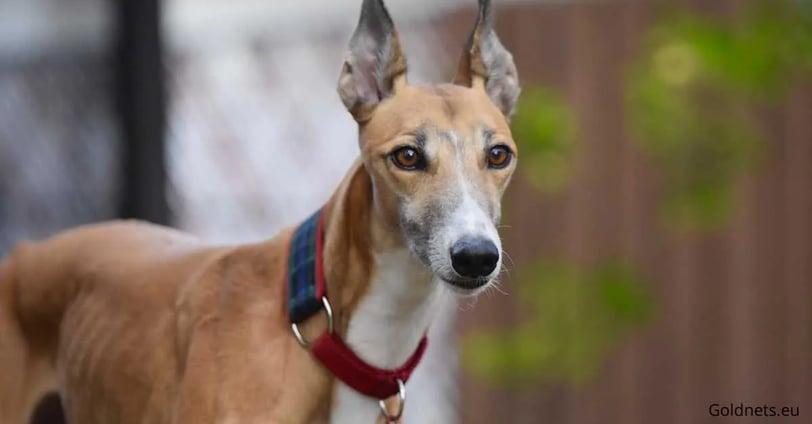

The Arabian Greyhound, also known as the Saluki, is an ancient dog breed that originated in the Middle East. This special dog not only has a significant historical past, but also because of its extraordinary beauty and intelligence, it is a popular choice among dog lovers. The Arabian Greyhound is one of the fastest dog breeds and has traditionally been used for hunting, especially in desert environments where its speed and endurance provided outstanding advantages. The appearance and elegance of this type of dog impresses everyone, as their flexible body and long legs allow them to run at incredible speeds.
The Arabian Greyhound dog breed is an outstanding example of the combination of cruelty and beauty. Over the centuries, Saluki dogs have become accepted and loved in many cultures, as they are known as loyal companions and reliable hunters. Their unique characteristics include a high level of intelligence and an attentive nature, which contributes to the breed's popularity. The Arabian Greyhound is not only an excellent hunting dog, but also an ideal family pet if properly trained and kept in company. In addition, the Saluki is remarkably kind and loyal, which has earned them many fans in the canine community over the years.
In the following sections, we will examine the Arabian Greyhound dog breed in more detail, including aspects of the breed's historical background, appearance, character traits, and care needs, giving you a complete picture of this special breed.
History and origin of the Arabian Greyhound dog breed
The Arabian Greyhound dog, also known as the Saluki, belongs to a breed whose history goes back thousands of years. The dog's origins can be traced back to ancient Egypt, where it has been recognized for more than five thousand years and has often appeared on artworks found in the tombs of the pharaohs. The Arabian Hound played an important role in the field of hunting because of its excellent senses and speed, which allowed hunters to effectively catch various game species such as gazelle and rabbit.
The Arabian Greyhound became popular not only in Egypt, but also in the Middle East, as the Bedouin tribes also benefited greatly from this breed. Climatic conditions and lifestyle shaped the appearance and behavior of dogs, which became an integral part of Arab culture. Due to their nomadic lifestyle, Arabian greyhounds developed a close relationship with their owners, who relied on the dogs' performance and reliability during hunting.
What many people don't know are the myths and traditions associated with the breed. The origin of the name of the Arabian Greyhound can be traced back to the term "Saluk", which means "best friend" among domestic animals. In addition, many local legends are associated with the breed, in which Arabian greyhounds are of symbolic importance. These dogs live as representatives of loyalty, endurance and dignity in various cultures, including the Arab world and beyond. The Arabian Greyhound is therefore not only a breed of dog, but also an important cultural heritage of human civilization.
Appearance, build, coat
The Arabian Greyhound is one of the most distinguished and striking breeds, characterized by its elegant appearance and athletic body structure. The dog's body length and height are harmoniously proportional to each other, usually showing a height of 60-70 cm and a body weight of 25-30 kg. The Arabian Greyhound is muscular but not overly bulky, which is ideal for an athletically active lifestyle.
The breed is characterized by a long, slender neck and a wide, flat skull, which contribute to the dog's confident appearance. The face is angular, the large, fiery eyes are expressive, and the dog's general countenance suggests speed and agility. The body structure of the Arabian Greyhound is not only aesthetic, but also functional, as flexible joints and long legs allow for ideal speed and endurance.
In terms of coat type, the Arabian Greyhound is short, smooth and dense, requiring little maintenance. The fur of this breed usually needs the warmth of the sun, so the dog is not unfamiliar with the effects of climate change. Coat colors span a wide spectrum; you can find white, black, red, or even a mixture of different shades, which makes the unique appearance of the dog even more attractive. In addition to the rich color of the coat, the elegance of the posture and movement of the Arabian Greyhound also attracts attention, which provides a uniquely attractive appearance among dogs. The movement of the Arabian Greyhound is fast and efficient, and it carries itself with pride, which reflects the close harmony of their relationship with their owners.
Characteristics and behavior
Arabian greyhounds, also known as Salukis, are a particularly exciting and versatile breed of dog, which is defined by different characteristics and forms of behavior. This breed is characterized by kindness, intelligence and friendliness, which makes it easy to integrate into family life. With its attractive appearance and moderate temperament, the Arabian Greyhound wins the hearts of many people.
This breed requires an active lifestyle, as the Arabian Greyhound is athletic and energetic by nature. You need a significant amount of physical activity every day to maintain your happiness and health. Exercise in the form of running, playing or active walks is essential, as the dog must live up to its need for exercise, especially since it is characterized by speed and endurance as an ancient hunter.
Arabian greyhounds also have a need for mental challenges, so it is important to provide them with mental stimulation, which may include obedience and agility training, in order to maintain an appropriate level of employment. These dogs are highly intelligent and love to learn, so they respond quickly to teaching through positive reinforcement techniques and consistent training.
In terms of socialization needs, it is also important that the Arabian greyhound is properly socialized with other animals and people when it is young. Being social creatures, they require a loving and harmonious environment to develop their friendly nature. This breed therefore requires an appropriate and actively involved owner who is able to meet the physical and mental challenges.
Health and care
The Arabian greyhound, also known as the "Arab greyhound", impresses us not only with its elegant appearance, but also with its outstanding health characteristics. These dogs are famous for their strong bones and high endurance, which is essential for being active and cheerful companions in everyday life. In order to maintain their health, owners should monitor their dog's diet and provide them with regular exercise.
Regular health check-ups are also crucial for Arabian Greyhounds. These include screening for cardiovascular disease, hip dysplasia, and eye disease. It is worth taking your dog to the vet at least once a year, where he can receive appropriate examinations and vaccinations. In addition, protection against parasites such as fleas and ticks is essential for a healthy lifestyle.
Caring for the dog also cannot be neglected. The short, smooth coat of the Arabian Greyhound requires minimal grooming, however, regular brushing can help remove dead hair and stimulate shedding. In addition, daily exercise, such as walks and games, contributes not only to their physical but also to their mental health. In addition to proper nutrition, ensuring sufficient water consumption is also important to maintain the inspiring well-being of dogs.
In summary, for the health and happiness of Arabian Greyhounds, regular veterinary check-ups, careful grooming and the introduction of a proper diet into everyday life are essential.
Health risks
The Arabian Greyhound, like all dog breeds, can face various health risks. Genetic predisposition is an important factor that affects the overall health of said dogs. In the case of Arabian Greyhounds, hereditary diseases can include hip dysplasia, which leads to deformation of the hip joint, and heart failure, which can be the result of various heart diseases. These problems can have a significant impact on the dogs' quality of life and the number of years they live.
Another potential health risk is intestinal disease and intestinal torsion, which can cause painful symptoms and require urgent veterinary attention. Arabian Greyhounds can also be prone to various skin conditions, such as allergies, which can cause skin itching, inflammation, and other discomforts. To recognize such health problems, it is important for owners to pay attention to their dog's behavior and appearance, as early diagnosis can aid in effective treatment.
Preventive measures that can reduce potential health risks for Arabian Greyhounds include regular veterinary checkups, proper nutrition, and regular exercise. In addition, genetic screening is important, which can help to screen for hereditary diseases during reproduction. In order to preserve the health of the Arabian Greyhound, we must keep in mind the professional care of the dogs, as well as the appropriate medical care and pay attention to the warning signs so that we can act in time. A healthy lifestyle and proper care can contribute to a long and happy life for dogs.
Nutrition and care needs
The Arabian Greyhound, like all dog breeds, has special nutritional needs that can change at different stages of its life. In order to ensure healthy development and adequate energy supply, it is important that owners choose the right feed. Formulated for puppies, rich in nutrients, they promote growth. Maintaining a balance of proteins, fats and minerals is essential for the healthy development of the puppy.
In the case of adult Arabian Greyhounds, the number of daily meals and the portions are determined by the dog's activity level. Foods with a higher calorie content are recommended for active dogs, while energy-poor but nutrient-rich foods are recommended for less active dogs. It is especially important to ensure the right ratio of proteins, as they are the basic building blocks of muscles and tissues. Proteins of animal origin, such as chicken, beef or fish, are extremely important in the diet.
Vitamins and minerals are also essential for maintaining the health of the Arabian Greyhound. Calcium and phosphorus support bone health, while vitamins C and E contribute to strengthening the dog's immune system through their antioxidant effect. However, it is worth consulting a veterinarian before using supplements. To add variety to your dog's diet, giving your dog vegetables and fruits such as carrots or apples can also have a beneficial effect on his digestion.
Useful websites: noinet.hu