


The Anglo-French herding dog: the perfect companion
The popularity of the Anglo-French hunting hound among dog lovers is increasing, thanks to the breed's many attractive features. This breed of dog is not only intelligent and energetic, but also extremely friendly, which makes it ideal for both family and social life.
DOGS
11/8/20246 min read
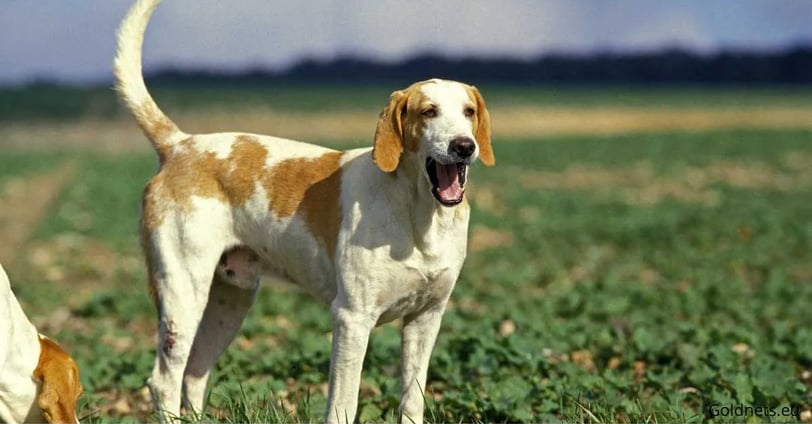
The popularity of the Anglo-French hunting hound among dog lovers is increasing, thanks to the breed's many attractive features. This breed of dog is not only intelligent and energetic, but also extremely friendly, which makes it ideal for both family and social life. The Anglo-French Hound's medium, muscular build and short, smooth coat make him even more attractive. For dog lovers with an active lifestyle, individuals belonging to the breed can be great companions during outdoor adventures.
Breed types can be traced back to both English and French dog breeding traditions and typically have a calm temperament that makes them unique in the canine world. Building a close relationship with their owners is characteristic of herding hounds, so these animals are not only pets, but also members of the family. The Anglo-French hunting hound not only requires physical activity, but also seeks emotional attachment, so long walks, play and love are essential for him.
The purpose of this article is to provide a comprehensive picture of the Anglo-French herding hound breed. In the following sections, we will present the breed's character, needs and requirements for proper care in more detail so that potential owners are aware of what this responsible commitment entails. Understanding the specific characteristics and needs of this breed can help dog lovers make an informed decision and choose the right companion for their adventures.
History and origin of the Anglo-French Hunting Hound Breed
The history of the Anglo-French hunting hound (Anglo-Français de Petite Vénerie) is deeply rooted in the world of hunting dogs, where the crossing of breeds and the influence of different hunting cultures played a critical role. The development of this dog breed dates back to the Middle Ages, when English and French hunting traditions gradually merged. English breeds such as foxhounds and beagles were combined with French hounds to create this versatile and intelligent dog breed.
The Anglo-French hunting hound originates from the hunting culture that flourished in medieval Europe, with particular emphasis on hunting pheasants and big game. The breed was primarily valued for its speed, endurance and excellent sense of smell. Hounds of French origin, such as the Chien d'Artois, contributed to the breed's adaptability to different hunting styles resulting from the extensive hunting culture of the French.
During the evolution of hunting dogs, breeders sought the best traits to create a reliable hunting dog over three centuries. Thanks to the knowledge and experience of the Anglo-French pack hunting hound, it became popular not only in hunting, but also as a companion. The breed's versatility and friendly nature have allowed it to become a family favorite while retaining its hunting skills. In the past, hybrids of these breeds played an important role in hunting traditions spread around the world, forming an integral part of current sport and entertainment.
Appearance, build, coat
The Anglo-French Hound (Anglo-Français de Petite Vénerie) has an extremely attractive and functional appearance and body structure, reflecting the hunting purposes of this dog breed. In the case of adult dogs, the height is usually between 50-60 centimeters, and their weight is 20-30 kilograms. These dogs have a muscular, well-coordinated body structure that allows them to move quickly and endure long periods of time on different terrains. The shape of the head is sharp, and the ears are long and drooping, which also shows their adaptation to the breed.
The color variations of the fur include the white base color, which can be associated with different shades of brown and possibly black spots. Adult Anglo-French Hounds usually have a short, smooth coat, which makes the coat easier to maintain and clean. The importance of grooming is not only outstanding from an aesthetic point of view, but also plays a significant role in maintaining health. Regular brushing helps remove dead hair and dirt, preventing skin irritation and other problems.
It is important to note that the Anglo-French hunting hound is particularly sensitive to climate and weather conditions. The condition of its fur also reflects its health, so owners should pay attention to proper nutrition and regular exercise. Other physical attributes of the breed, such as the brightness of the eyes and general energy, also indicate the extent to which the dog's living conditions support its well-being.
Characteristics and behavior
The Anglo-French hunting hound, as a breed, deserves considerable attention due to its temperament and behavior. These dogs are usually energetic, lively and curious individuals who, due to their high activity level, need almost constant exercise. By nature, this breed is prone to playful behavior, so it can be an ideal choice for active families who can provide adequate space and time for the development of the dog.
Anglo-French hunting hounds are extremely intelligent and easy to learn, but their socialization needs should not be neglected. In the early years, dogs need a wide range of experiences with different people, animals and environmental situations in order to become well-rounded adults. Proper socialization helps prevent behavioral problems and ensures that dogs thrive in social interactions.
Their relationship with their owners is close and loving, based on mutual respect. For Anglo-French hunting hounds, constant interaction and joint activity with their owner is essential, which strengthens the bond. In training, instrumental rewards, such as the use of a favorite food or toy, are an effective way to reinforce the desired behavior. This approach creates a safe and positive atmosphere that promotes the dog's development and helps owners better understand and support their pets as they learn.
Health and care
Continuous monitoring of the dogs' health needs is essential for the welfare of the Anglo-French Hound. It is used to help with regular veterinary checks and vaccinations so that this breed of dog can live a healthy and happy life. Age-appropriate checks are also important, and there are different recommendations for puppies, adults and older dogs.
Anglo-French Hounds require various vaccines to prevent diseases such as kennel cough or leptospirosis. Vaccinations are usually started when the dogs are puppies, and in combination with routine check-ups, they need to be repeated once or twice a year, depending on their age. It is important that these vaccines are administered on time and with the appropriate regularity, as this not only promotes the health of the dog, but also protects the immediate environment of the animal and its owner.
Their owner also plays an important role in the life of Anglo-French hunting hounds. The dog's well-being is closely intertwined with the owner's commitment to proper nutrition, exercise and mental stimulation. Meeting the dogs' needs, regular walks, various games and socialization ensure not only their physical but also their emotional well-being. The conscious and attentive attitude of an owner, as well as the monitoring of health needs, is essential for the proper care of the Anglo-French hunting hound.
Health risks
Anglo-French Hounds, like many other dog breeds, can face various health risks. Due to the genetic predisposition of this breed, we can witness the occurrence of many diseases that can affect the general health of the animals. Among the most common problems are musculoskeletal disorders, such as dysplasia, which refers to malformations of the hip and elbow joints. In addition, overweight and obesity can also be serious problems, as they can increase the risk of various joint diseases.
In addition, herding hounds can also be prone to skin problems, which often occur as a result of allergic reactions. Diagnosing and treating allergies can be challenging for veterinarians, as screening tests are often required to identify the causative allergen. Hounds are also prone to a number of eye conditions, such as cataracts and progressive retinal atrophy, which can cause significant vision loss.
In terms of prevention, it is crucial to ensure proper nutrition and regular exercise, which can help maintain the health of the hunting hound. Regular veterinary check-ups are also essential, as they provide an opportunity for early detection of diseases and the development of an appropriate treatment plan. By applying these measures, the health risks affecting Anglo-French hunting hounds can be significantly reduced, thereby ensuring an active and healthy lifestyle.
Nutrition and care needs
The nutritional needs of the Anglo-French Hound are particularly important, as they directly affect the animal's health and overall energy levels. The right diet is different at different ages, so puppies, adults and older dogs have different nutritional needs. Puppies who are still growing need a high-calorie, nutrient-dense diet. It is recommended that puppies receive food three to five times a day, thus ensuring a continuous source of energy and proper development.
A standard daily diet rich in proteins, carbohydrates, vitamins and minerals is recommended for adult Anglo-French hunting hounds. The optimal frequency of meals is two times a day, and sufficient water should be available in the period between meals. The diet can include a combination of meat, vegetables and grains, taking into account the dogs' special needs and allergies.
At an older age, nutritious but easily digestible foods are the most suitable. Older Anglo-French Hounds should reduce their daily meals, instead offering smaller portions to help maintain their weight and keep them feeling as good as possible. In addition to regular veterinary checks, during nutritional research, it is necessary to pay attention to what changes occur in the animal's nutritional needs. By paying attention to all these factors during care, the dog's long, active and healthy life can be ensured.
Useful websites:noinet.hu