


Anatolian Shepherd: Everything You Need to Know About It
In the wide spectrum of dog breeds, the Anatolian Shepherd occupies a prominent place. This breed, which was mainly bred in Turkey, won the hearts of dog lovers with its wisdom and ability to work.
DOGS
11/8/202411 min read
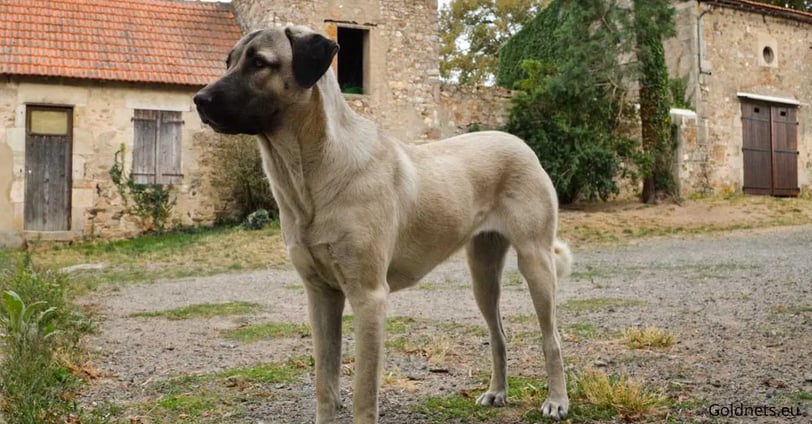
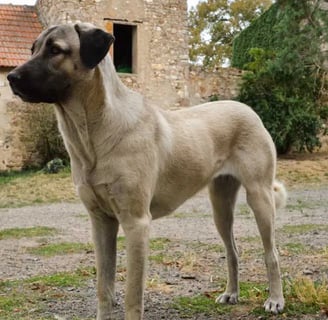
In the wide spectrum of dog breeds, the Anatolian Shepherd occupies a prominent place. This breed, which was mainly bred in Turkey, won the hearts of dog lovers with its wisdom and ability to work. The Anatolian Shepherd is not only a beautiful looking animal, but also a loyal companion that is excellent for herding and protecting the flock. These qualities make this breed popular among agricultural workers, but many families are also happy to choose the Anatolian Shepherd as a pet.
When it comes to the characteristics of dog breeds, origin and function are important aspects. The origins of the Anatolian Shepherd Dog go back to the nomadic way of life, where dogs that were able to independently protect the flock from predators were highly valued. With its powerful build, quick reflexes and brave nature, this dog was an ideal choice for shepherds. For farmers, it is extremely important that the dog is a reliable protector, and analyzing the differences between the breeds can help us understand why the Anatolian Shepherd has become one of the best.
In this blog post, we will get to know this wonderful dog breed and its characteristics in detail. We will discover the history, characteristics and behavior of the Anatolian Shepherd Dog. We hope to provide readers with an exciting insight and interest in further chapters that delve more deeply into this special breed.
History and origin of the Anatolian Shepherd Dog breed
The Anatolian Shepherd comes from Anatolia, located in the central part of Turkey, and is considered an ancient breed bred by the traditional shepherds of the region. The animals were primarily used to protect the herd and protect the territory, which played an important role in the development of Turkish animal husbandry. The breed has been selectively bred for centuries, combining its physical characteristics with adaptation to the local environment.
The basic task of the early Anatolian Sheepdogs was to protect flocks, especially sheep, against predators, which was particularly important in agriculture. Dogs' special characteristics, such as their large bodies, thick coats, and dull senses, helped them to excel in their field. They were also extremely loyal and intelligent, which allowed them to work closely with their owners.
The history of the Anatolian Shepherd Dog is closely intertwined with Turkish culture and traditions, as these dogs have gained respect not only as protectors, but also as important symbols. Breed characteristics such as excellent adaptability and independence have been able to persist over the years, while breeding practices have continually shaped the dog to local needs. All of these factors contributed to the Anatolian Shepherd becoming a key player in Turkish animal husbandry, which is still developing in the direction of traditions and modern needs.
Appearance, build, coat
The Anatolian Shepherd Dog is an extremely imposing dog breed that is an expression of size and strength. Usually large, adult individuals are 65-80 cm tall and weigh between 40-65 kg. The proportions are harmonious, so the body structure is massive, but also elegant. The head is powerful, wide and well formed, the muzzle is strong, which is also a characteristic of the breed. The moderately long neck gives serious support, while the back is strong and straight, and the tail is long, typically curled up when the dog is excited.
The coat is also an important characteristic of this breed. The outer coat of the Anatolian Shepherd Dog is thick, long and straight, which can protect the dog from various weather conditions. The inner coat is soft and dense, which insulates the body, especially in cold periods. The color variations of the coat cover a wide spectrum, from light cream to shades of brown, and in many cases there are also white spots. The breed standard requires that the coat of the dogs is well maintained in order to provide the best aesthetic appearance and to remain healthy.
During breeding, it is particularly important to pay attention to the physical characteristics, as well-planned breeding has a serious impact on the health and appearance of the dogs. By ensuring proper inheritance, it is possible for the Anatolian Shepherd to be not only a beautiful, but also an intelligent and well-suited dog for its owner.
Characteristics and behavior
The Anatolian Shepherd Dog, also known as the Kangal, is a robust and versatile dog breed that was traditionally bred for herding and protection. The temperament of these dogs is usually calm and composed, but they are also extremely alert and attentive. Territorial protection is a fundamental element of this breed's character; they often show dominant behavior aimed at protecting their place. Anatolian Shepherds typically have confident socialization needs, which are particularly important to take into account during training.
Their activity level is medium, which means they need daily exercise to keep them feeling good. Walks, games and tasks can help give dogs physical and mental challenges. Kangals often need structure and a directional daily routine, as these factors contribute to their stability and poise. It is also important to keep the dog calm during contact with different people and animals, as these socialization experiences help to avoid the excessive aggression that adult dogs can sometimes have.
Training Anatolian Shepherds requires special attention. Since they are independent-minded animals, instead of classical methods, techniques based on positive reinforcement may be more effective. It is important to teach the dog early, at a young age, the basic commands and habits, thereby strengthening the bond and trust between the owner and the dog. Consistency and patience are key factors in successful training.
Health and care
The Anatolian Shepherd, like other breeds, deserves proper health care and care that will contribute to a long and happy life. Knowing the health problems specific to the breed facilitates immediate and effective treatment of the animals. It is important to take your dog to the vet regularly for a comprehensive health check-up. During routine examinations, the veterinarian monitors the dog's health and can detect any diseases or abnormalities in time.
Vaccination is also a key step in maintaining the health of the Anatolian Shepherd. Immunization is vital to protect not only the dog, but also the dog owner's community, as it prevents the spread of various infectious diseases. In addition to the basic vaccines, such as rabies, parvovirus or bordetella, it is worth consulting with the veterinarian about the specific risks of our dog and the corresponding vaccination protocol.
In order to maintain an active lifestyle, Anatolian Shepherds need sufficient exercise, which also contributes to maintaining their health. It is important to take into account the hunting dog's genes and provide them with opportunities for free movement and energetic activities. Special attention should also be paid to nutrition. High-quality food with balanced nutrients helps maintain the optimal weight and general health of dogs.
Finally, regular exercise, proper nutrition and professional medical care all contribute to preserving the Anatolian Shepherd's quality of life, thus ensuring a happy and healthy life. In addition to healthy care, the strong relationship that can be formed by owners also plays a significant role in the well-being of dogs.
Health risks
The Anatolian Shepherd, in this breed, has a number of potential health risks that prospective owners should consider. Genetic tendencies play a decisive role in the health of dogs, so it is important to know the most common hereditary diseases that can affect the Anatolian Shepherd. Among the most common health problems are hip and elbow dysplasia, which affect how dogs move. These disorders can cause pain and, in more severe cases, may require surgical intervention.
Also, eye diseases such as glaucoma or cataracts can occur within the breed, which can lead to vision problems. In case of these problems, regular veterinary check-ups are essential, which enables early diagnosis and treatment. Skin problems also often occur in Anatolian Shepherds, as their thick, double coat is more prone to external irritants and allergic reactions caused by dogs.
The next important area to watch out for is obesity. Anatolian Shepherds are prone to being overweight, which can lead to many other health problems, such as diabetes or heart disease. A proper diet and regular exercise are key to maintaining their health. Owners should carefully study the problems specific to the breed so that they can act on time and maintain the health of their pets.
Nutrition
The Anatolian Shepherd, also known as Kangal, requires a nutritious and balanced diet to maintain optimal health. Based on their body structure and activity level, dogs of this breed need nutritious food that contains the right amount of protein, fat, carbohydrates and vitamins. The best choices include meat-based foods such as chicken, beef or lamb, as well as whole grains and vegetables. The Anatolian Shepherd tolerates both dry and wet food well, but the greatest attention must be paid to quality.
The amount of food you need depends on your dog's age, weight and activity level. For puppies that are going through rapid growth, the amount of food can be divided into three to four meals a day, and puppies generally need food equal to 5-10% of their body weight. As the dog becomes an adult, the number of meals can be reduced to two portions per day, and for adults, an average of 2-4.5% of their body weight per day can be sufficient.
In the case of old dogs, the quantity and quality of food may necessarily change. In the case of older animals, it may be advisable to reduce the protein content and increase the presence of nutrients to support the metabolism and digestive processes. In addition, the advice of a veterinarian should always be taken into account to ensure that a dog's nutritional needs are properly met, thereby promoting their health and well-being.
Care needs
The Anatolian Shepherd is a highly intelligent and independent breed of dog that has specific care needs. Although this breed of dog is generally long-lived and hardy, proper grooming is key to their well-being and health. One of the most important aspects is the care of the coat, as the Anatolian Shepherd's thick, double coat protects it from various weather conditions. With regular combing, the appearance of fleas and other parasites can be prevented, and shedding can be reduced. In addition to caring for the coat, bathing is also important, but it is recommended to do this only when necessary, as too frequent bathing can remove the natural oils from the coat.
In addition, Anatolian Shepherds require regular exercise and mental stimulation. Being an extremely energetic breed, daily walks and games are essential. At least one or two hours a day should be devoted to the dog so that it can release its unnecessary energy. Crossword puzzles, matching games and agility exercises can also be useful for their intellectual development and employment. Interaction with the dog helps strengthen the bond between owner and dog, which is essential for the dog's well-being.
Proper nutrition cannot be neglected either, as the choice of food affects the dog's health and energy level. Proper care ensures that the Anatolian Shepherd can live a happy and balanced life.
Who is the Anatolian Shepherd recommended for?
The Anatolian Shepherd Dog is a special and versatile dog breed, which is primarily recommended for those who have enough space and an active lifestyle. This breed, which originally helped Turkish shepherds to protect their flocks, does best in larger areas where it can run around and explore its surroundings. Families or individuals who live in a rural area or have a larger yard can be ideal owners of this breed.
The Anatolian Shepherd has a strong protective instinct, so it is recommended for people who are able and willing to train and socialize the dog. With proper training and treatment, this dog can be a great companion and protector. Beginner dog owners should consider working with more experienced dog owners to learn breed-specific skills, as the Anatolian Shepherd has a strong personality, so firm leadership is essential.
Anatolian Shepherds are particularly well suited to families with children or other pets, but it is important to start socializing them at an early age. The dog develops as a natural protector, so it can be an ideal choice for owners with adequate knowledge and experience. All in all, it can be said that this breed can be extremely suitable for those who feel the challenge and want to get the best out of the Anatolian Shepherd.
Lifestyle
The Anatolian Shepherd Dog, as one of the world's richest house guard breeds, has specific lifestyle needs. A dog's daily routine is crucial to its well-being and impact on its health. The Anatolian Shepherd leads an active life, which means that it is essential to meet its significant exercise needs on a daily basis. Ideally, the dog spends his day with long walks, games and other forms of exercise that stimulate his mental and physical development.
Socialization also plays an important role in the life of the Anatolian Shepherd. Dogs of this breed, although they have guarding and protective instincts by nature, without proper socialization at a young age, they can be aggressive or aloof towards strangers. As owners, it is important to introduce our dog to different people, animals and situations as early as possible, thus helping him to become a balanced adult. During this socialization, the dog's social needs must also be taken into account, since prolonged loneliness, if accompanied by inappropriate measures, can have a negative effect on the dog's mental well-being.
Owners should take into account that the Anatolian Shepherd's needs depend greatly on their environment. The breed needs enough space to move around, so ideally it is recommended to keep it in a house with a larger yard. The urban environment, where movement and socialization may be limited, is not always favorable for the dog. Creating the right living conditions is therefore key to maintaining the Anatolian Shepherd's happiness and quality of life.
New researches
Researchers are constantly providing new results that contribute to a deeper understanding of animal breeds, including the Anatolian Shepherd. With the help of the new scientific results, the researchers explored the genetic diversity of the breed and the questions of its origin. Traditionally known as the protector of sheep, the Anatolian Shepherd has been shaped by various environmental and genetic factors that influence the breed's behavior and health.
The latest research increasingly emphasizes the importance of preserving the breed's health. Genetic tests give breeders the opportunity to avoid genetic disorders in the case of the Anatolian Shepherd. Furthermore, by analyzing the breed's behavior, scientists have established how important socialization processes are for the dogs' optimal development. These findings are useful not only for breeders, but also for farmers, as they provide more accurate information about the necessary training and care methods.
In addition, the research also revealed how much the owner-animal relationship influences the behavior of the Anatolian Shepherd. Owners' awareness of dogs' special needs, such as active exercise and mental stimulation, can significantly contribute to the happiness and well-being of dogs of the breed. Research examines these relationships as well, thereby helping owners to better understand and support their dogs in everyday life.
Stories and interviews
For dog owners, the Anatolian Shepherd is not just a pet, but a lovely family member who enriches their everyday life with many experiences and stories. Owners' experiences may differ, but the common thread is always love and commitment to their dogs. One of the owners, let's call him Péter, told how his dog, Barka, became his best companion in rural life. Barka not only helps to guard the goods around the house, but also increases the happiness of the family. Péter highlighted that the Anatolian Shepherd is intelligent and docile, so he quickly learned the most important commands.
Furthermore, in conversations in the canine community, news that often comes in reports that the Anatolian Shepherd is an extremely loyal and protective breed. Another interviewee, Anna, told about her dog, Zuzu, who was specially bred for herding work. According to Anna, Zuzu is especially attentive when she is around livestock and never lets any of the animals stray from the safe area. Such stories not only reflect the experiences of the owners, but also give insight into the versatility of the Anatolian Shepherd.
Most experts agree that knowledge about a dog's breed is essential for proper care. During the interviews, experts emphasize that the Anatolian Shepherd not only acts as a protector, but as a sensitive, intelligent being, it also becomes a member of the family. The conversations bring to the surface the experiences that can help potential owners develop a closer emotional connection with this special breed.
Anatolian Shepherd puppy care
Raising Anatolian Shepherd puppies requires special attention, as these breeds are extremely intelligent and energetic dogs. Proper care begins with proper feeding that is appropriate for the puppies' stage of development. Ideally, the puppy's food should be rich in protein, as this helps its growth and muscle development. In the early stages, it is worth seeking expert advice on dosage and the most suitable nutritious foods.
The socialization of the puppy is also crucial, so the Anatolian Shepherd puppy should be introduced to different people and other animals as soon as possible. This will help you develop in a brave and balanced way. When socializing a puppy, it is important for owners to provide positive experiences to avoid future shyness or aggression. Remember that a puppy's personality and behavior are greatly influenced by early experiences.
In addition, regular exercise and play are essential to maintain the health of the Anatolian Shepherd puppy. Daily walks and active play also contribute to socialization, as it provides an opportunity to interact with the environment. It is extremely important to use consistency and positive reinforcement during proper education. The Anatolian Shepherd can learn quickly, so in order to strengthen the relationship between the dog and the owner, it is worth avoiding excessive strictness when raising the puppy.
Useful websites:noinet.hu