


Shiba Inu: Everything you need to know about the breed
The Shiba Inu dog breed is one of the most well-known and beloved elements of Japanese culture, which holds a special place in the hearts of dog lovers.
DOGS
10/20/20246 min read
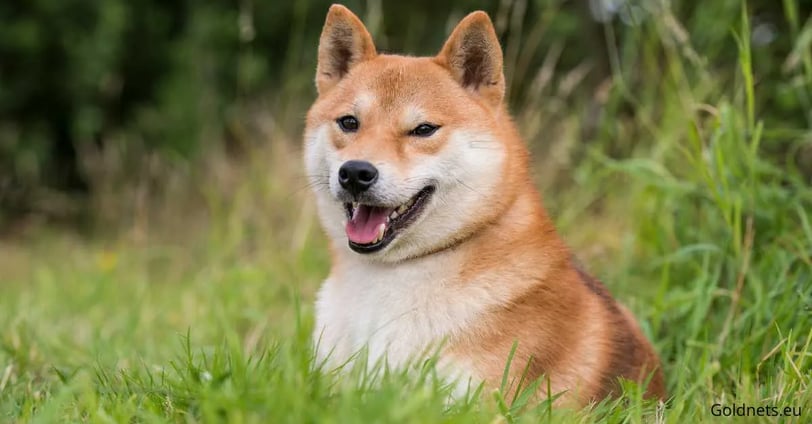
The Shiba Inu dog breed is one of the most well-known and beloved elements of Japanese culture, which holds a special place in the hearts of dog lovers. The history of these small but brave dogs goes back thousands of years and they have now become popular all over the world. The appearance, character and behavior of this breed provide an impressive experience not only for the owners, but also for those who want to get to know the breed.
The Shiba Inu represents Japan in many areas, as not only its physical appearance, but also its influence on culture is remarkable. Their unique appearance, characterized by a small, inviting face and upturned ears, as well as their energetic and playful nature, make them attractive to dog lovers. Breed traits such as courage and intelligence also help make the Shiba Inu stand out from other dog breeds.
The purpose of our article is to provide a detailed insight into the Shiba Inu breed, presenting its history, characteristics, care needs, and how a Shiba Inu can become a loyal companion for the right owner. Owners who commit to a Shiba Inu not only get a cute and playful pet, but also an extremely loyal friend. In the following chapters, we will discuss in detail why it is worth spending money on this breed of dog, and what you need to know about its upbringing and daily life.
The history and origin of the Shiba Inu dog breed
The Shiba Inu is an ancient Japanese dog breed with roots dating back thousands of years. The breed's origins can be traced back to smaller hunting dogs used by people living in the mountains of Japan to chase smaller game such as birds and rabbits. The Shiba Inu is one of the smallest Japanese dog breeds, and its appearance and temperament have undergone many changes over time.
The first written mention of the Shiba Inu dates back to the 7th century, during which they were kept in different parts of the country. The different stages of the breed's development date back to the Middle Ages, when the breed was bred according to different local standards. However, during the Second World War, the population of the Shiba Inu began to decrease dramatically, as a result of the war, dogs suitable for breeding were destroyed, and the breed almost became extinct.
Breed rescue is another notable aspect of the Shiba Inu's history. At the beginning of the 1950s, a few dedicated breeders managed to save the breed, and the breeding of the Shiba Inu started again from the surviving individuals. From then on, the breed was officially recognized by the Japan Kennel Club, founded in 1954, and various exhibitions and breeding programs were launched to popularize the Shiba Inu.
Topic recommender
The Bichon Frize: The Heartthrob of Puppies
All Aspects of the Shih Tzu Dog Breed
The Bernese Mountain Dog: Everything You Need to Know
Miniature Spitz Pomeranian Dog: Everything You Need to Know
Cocker Spaniel: Introducing the ideal dog breed
Appearance, build, coat
The Shiba Inu is a small to medium-sized dog whose weight usually ranges between 8-10 kg, while its height can reach 38-41 cm. These dogs have a muscular build that reflects their active and energetic lifestyle. The Shiba Inu has a well-proportioned and elegant appearance, with a broad head, sharp eyes and erect ears. Their tails bend back over their backs, this character trait helps distinguish them from other breeds.
Their fur is thick and double-layered, which protects them from different weather conditions, be it cold or hot. The outer coat is coarse, while the undercoat is soft and dense. The coat of the Shiba Inu is usually colored in many different ways, the most common being red, gray and black-beige variations. The variety of these colors makes them a visually attractive variety, and their aesthetic appearance also contributes to their popularity.
It is important to pay attention to the care of the Shiba Inu, especially during the molting periods. These dogs shed at least twice a year, which can result in a significant accumulation of hair in our homes. Thorough brushing is recommended on a weekly basis to reduce shedding. Coat maintenance is not only important for aesthetic reasons, but also contributes to the dog's general well-being, as a clean and healthy coat helps prevent skin problems.
Characteristics and behavior
The Shiba Inu has a unique temperament that stems from the breed's characteristic independence and intelligence. These dogs are usually very alert and brave, which makes them excellent watchdogs. Because of their abilities, we often come across the opinion that they are sometimes stubborn, so understanding and socializing them is key to successful coexistence.
The Shiba Inu's activity level is high, they like to perform various tasks that stimulate them physically and mentally. Daily walks and playtime are essential for them to release their excess energy. It is important to emphasize that these dogs need an active lifestyle and that physical challenges are part of a happy and healthy lifestyle. This type of exercise is not only important for the dog's condition, but also plays a significant role in their mental development.
During basic training, positive reinforcement is probably the best method for the Shiba Inu. These dogs are sensitive to praise and rewards, so the positive stimulation used during training strengthens the relationship with the dog. However, it is important that the training is consistent, as differences within the breed can affect the learning process. Early socialization is also essential, as it helps the Shiba Inu to be more friendly and open to other animals and people.
Health and care
The Shiba Inu breed, like many other dog breeds, has specific health risks that owners should be aware of. The most common health problems include hip and elbow stenosis, eye problems such as progressive retinal atrophy, and skin conditions. These problems are often genetic, so it is important that the breeder is reliable and transparent about the origin of the dogs.
The Shiba Inu's nutritional needs change with age. Adequate nutritional intake is particularly important for puppies, as they are fast growing and energetic. Puppies need a diet rich in protein and fat to support their development. Later, upon reaching adulthood, nutritional needs decrease and the dog's energy needs decrease. That's why it's worth choosing a nutritious and balanced diet that meets the Shiba Inu's adult needs.
It is important for owners to pay attention to the proper care of the Shiba Inu, which includes regular veterinary check-ups. During medical examinations, it is also possible to detect health problems that are difficult to detect at an early stage. Caring for the dog's fur, ensuring regular exercise and proper nutrition all contribute to a long and healthy life for the Shiba Inu. Continuous monitoring of their health and careful care helps prevent potential diseases and ensures the necessary health status for the breed.
Who is the Shiba Inu recommended for?
The Shiba Inu breed is best recommended for those who lead an active lifestyle and are able to take the time to socialize and train their dog. The original purpose of this breed is hunting, so the Shiba Inu boasts a high level of energy and a playful nature. An ideal environment for a family where there is enough space to explore the world and the opportunity to play freely. Shiba Inu does not require overly complicated care, but commitment and responsible dog keeping is expected from future owners.
It is important that prospective owners have adequate experience in raising dogs, as the Shiba Inu is known for its independent and sometimes stubborn character. Therefore, it is important for owners to be consistent and patient during dog training. Also, the Shiba Inu is not always the best choice for families with small children, as they have tendencies to express dominance and territorial defense, which can cause tension. Adult animals can adapt well if children are aware of the dog's boundaries and can behave appropriately around it.
The Shiba Inu is a social creature, so it is important that owners provide it with enough attention and love. During training, it may seem more difficult if the host family does not have the necessary patience, so the dog may have behavioral problems. With this in mind, the Shiba Inu is best suited to owners who have experience, an active lifestyle, and are ready to make a long-term commitment to raising their pet.
New research and expert interviews
In recent years, many new researches and studies have come to light regarding the Shiba Inu breed, which not only concern health issues, but also address their behavioral characteristics and trends observed in the breed. The popularity of the Shiba Inu is constantly increasing, so the attention of researchers and breeders is increasingly focused on the sustainability and long-term health of the breed. The most recent results place particular emphasis on the preservation of genetic diversity and the correlations between breed characteristics. Research shows that genetic variables have a significant impact on Shiba Inu behavior and health, so continuous monitoring of breeding programs is essential.
During our interviews with experts, we came to important conclusions regarding the growing interest in the Shiba Inu. Breeders and veterinarians always emphasize that the specific characteristics of the breed, such as independence and stubbornness, require thorough and kind training. In addition, they draw attention to the fact that the Shiba Inu is extremely sensitive, so early socialization and consistent training with positive reinforcement play a key role in successful upbringing.
According to the researchers, understanding the Shiba Inu's delayed maturation could also have significant benefits for future studies, so it is important for both researchers and owners to keep track of the latest developments and findings. Early application of research results can contribute to the well-being and lasting condition of the breed, which is essential for future generations.