


The Pumi dog breed: A guide to the perfect companion
The Pumi dog breed occupies a special place in the world of dogs, as it stands out both with its specific appearance and character. This breed of Hungarian origin, which belongs to the herding dog.
DOGS
10/21/20246 min read
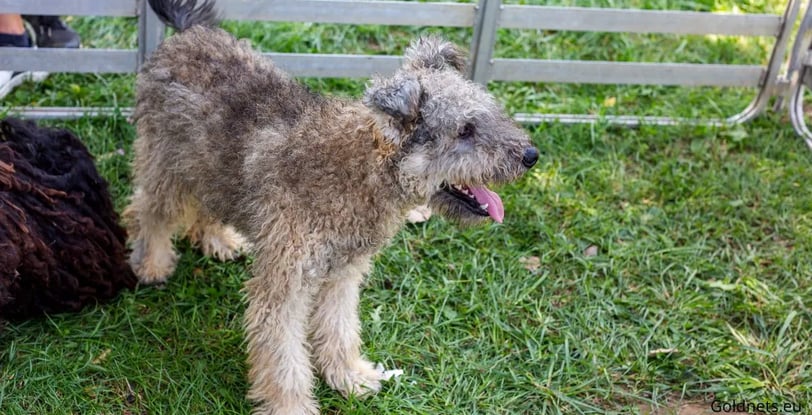

The Pumi dog breed occupies a special place in the world of dogs, as it stands out both with its specific appearance and character. This breed of Hungarian origin, which belongs to the herding dog group, was developed at the beginning of the 18th century. The Pumi has outstanding intelligence and is easy to learn, which makes it popular not only among working dogs, but also as a family pet. The dog's unique appearance - with its curly, leathery fur and lively facial expression - immediately attracts attention.
In recent decades, the Pumi's popularity has been steadily increasing, as it has become a sought-after social dog among owners. Adapted to an active lifestyle, this breed of dog favors building relationships and playing outdoors, making it an ideal choice for those who want to spend their free time actively. With its affectionate, loyal and playful nature, the Pumi can become an excellent companion for both children and adults.
Our goal in this article is to present the main characteristics of the Pumi dog breed and to highlight why it is worth getting to know this special dog. We will explain the breed's keeping and training needs, stories about the diligent work of Pumi, as well as the emotional bond that can develop between owners and dogs. Readers who are interested in dogs can experience why the Pumi is one of the most exciting and attractive dog breeds in the world today.
The history and origin of the Pumi dog breed
The Pumi dog breed deserves a unique investigation, as it carries the effects of many cultures and historical events. This breed was bred by the Hungarians in the past centuries, around the 17th century. The main ancestors of the Pumi were Hungarian, Turkish and Alpine sheepdogs, from which the current breed standard was formed. The primary task of the Pumi was to control and protect the flock, which was an essential part of the Hungarian pastoral culture.
In the early 1900s, the Pumi dog breed was officially recognized, and around 1930, the Hungarian Kennel Club introduced comprehensive regulations for its breeding. The character, temperament and working ability of the Pumi are reminiscent of ancient herding dogs, but at the same time, their appearance and behavior have been adapted to modern needs. The breed was not only bred, but also gradually began to participate in dog sports, which created new challenges and opportunities for future development.
In Hungarian culture, the Pumi was not only a work tool, but became an integral part of family members. Legends and anecdotes related to the breed have been passed down through the generations, multiplying the popularity of the dog breed. As a result, Pumi has now become known and recognized not only in Hungary, but worldwide, which is part of the Hungarian identity. In the coming years, it is expected that further research and breeding programs will strengthen the popularity and heritage of the Pumi dog breed.
Topic recommender
Staffordshire Bullterrier: Detailed Introduction to the Dog
The Basset Hound: The Professional Dog's Expert View
Coton de Tulear: Introducing the perfect pet dog breed
English Cocker Spaniel: The perfect companion and family dog
Appearance, build, coat
The Pumi dog breed stands out with its extremely distinctive appearance and body structure. It is generally considered a medium-sized dog, where males are 38-48 cm tall, while bitches are between 36-44 cm. Their weight is usually around 10-15 kg, which gives them ideal proportions. Their active and energetic appearance suggests that these dogs are well suited for various tasks, including herding.
The body structure of the Pumi is proportionate, muscular and dynamic. The shape of the head is wide, the muzzle is straight and expressive. They are characterized by large, erect ears that are constantly in motion to respond to environmental sounds. The Pumi's eyes are bright and suggestive of intelligence, and are usually dark or light brown in color. Their jaws are strong, which plays an important role in the particularly active lifestyle of this breed.
Another outstanding feature is the fur, which perfectly adapts to the needs of the environment. Pumi have wavy, medium-long fur that is waterproof and has a protective function. The color of the fur can be varied: the most common are black, white, gray, brown and variegated. Owners should also pay attention to the maintenance of the coat, as regular grooming contributes to the dog's health and appearance.
Overall, the Pumi's appearance and body structure promote their versatility, which is necessary to perform the work functions typical of the breed. The combination of coat and features make the Pumi a unique and attractive dog breed that can be an ideal companion for anyone.
Characteristics and behavior
The Pumi dog breed is a particularly popular pet known for its energetic and intelligent nature. The high activity level characteristic of the breed makes adequate physical and mental stimulation essential. Pumas are valued not only for their work-related activities, but also for their excellent social skills. These dogs are highly adaptable, making them ideal for a variety of family environments, be it city apartments or rural areas.
In terms of temperament, Pumi are known for their curious and playful nature. They like to interact with their owners, so socialization of dogs is crucial. Through early socialization, the Pumi adapts well to other animals and people, reducing the chance of developing old behavioral problems. These dog breeds are friendly, but the owners should pay attention to raise them in a suitable framework, because sometimes they can tend to dominate their environment.
The Pumi is highly trainable due to its high intelligence and learning abilities. This breed learns new commands and tasks quickly, but it is important to use positive reinforcement during training. Obedience training and various dog sports are great opportunities for Pumis to develop their energy and intelligence. Through regular sessions and fun activities, the Pumi becomes a happy and mentally stimulated dog.
Health and care
In order to preserve the health of the Pumi dog breed, it is important that the owners are aware of the health risks specific to the breed. Pumi are generally active and energetic dogs, however, due to some genetic predispositions, they can be susceptible to certain diseases. For example, dysplasia and other joint problems and eye disorders such as Progressive Retinal Atrophy (PRA) are among the most common health problems.
For prevention, regular veterinary check-ups are recommended, which enable early detection and necessary interventions. Performing screening tests, especially monitoring the condition of the eyes and joints, is essential for maintaining the health of the Pumi. In addition, proper nutrition is also crucial, as the Pumi is an active breed of dog whose energy can be provided by a balanced diet. Owners are recommended to choose high-quality dog food containing all the necessary nutrients, which also takes into account the age, weight and activity of the dog.
Special attention should also be paid to the maintenance of the coat of the dog breed. The curly, water-repellent coat of the Pumice requires regular brushing to prevent the formation of hair knots and the occurrence of skin problems. In addition, dental care and nail trimming are also essential in maintaining the health of the Pumi, as this can significantly reduce the risk of possible health problems.
Who is Pumi recommended for?
The Pumi dog breed, which represents one of Hungary's treasures, can be an ideal choice for many families. For those who lead an active lifestyle, Pumi can be a great companion. Due to its brave and energetic nature, this dog needs a lot of exercise, so daily walks and games are essential for its development. The Pumi is highly intelligent, which means that it is an excellent learner and enjoys participating in various dog sports such as agility or obedience. Therefore, Pumi can be a fantastic choice for active and sporty families.
It is important that the owner of the Pumi is committed, as the dog's personality needs require that the owner devotes sufficient attention and time to it. Establishing a close human-dog relationship not only guarantees the dog's happiness, but also helps with its socialization. By nature, the Pumi needs a family environment, it wants to spend a lot of time with its owners. Therefore, it can also be ideal for those who already have an active family and want to expand it with a new member.
Overall, the Pumi dog breed can be a great choice for families who can devote enough time and energy to keeping the dog busy. Providing the right habitat and the right lifestyle allows the Pumi to become a happy, balanced and healthy dog. Thanks to its intelligence and energetic nature, the Pumi can be not only a loving companion, but also an active partner in the life of its owner.
New research and successful business stories
In recent years, the popularity of the Pumi dog breed has been steadily increasing, which is also supported by the latest research. Studies on the special needs and temperament of the Pumi reveal that proper puppy care is not just about meeting basic needs. Social interaction and mental stimulation are also essential for the well-being of dogs. Some research has shown that Pumi require regular physical activity and challenging tasks that develop their problem-solving skills.
The owners' experiences also play a key role in the upbringing of the Pumi. There have been many successful owner stories that show how a close relationship between owner and dog has developed. For example, several Róna dogs started life in families that used puppy-rearing methods, where their parents placed a strong emphasis on positive reinforcement. Techniques such as rewards and praise helped the Pumi to socialize and learn new commands.
In addition, considerable experience was gathered among farmers raising the Pumi breed, who shared how they shaped the daily life of the Pumi. During the interviews, we could hear many heartwarming stories about how Pumis became members of families and how they brought joy and active living into the lives of their owners. These experiences serve as inspiring examples, showing that with proper care, Pumi can become loyal and loving companions.
Useful website: noinet.hu