


Let's get to know the Estonian Hound: The perfect hunting dog
The Estonian Hound, also known as the Nordic Hound, is a special breed of dog that belongs to the category of hunting dogs. In terms of origin, it comes from Estonia, where it has long been used for hunting, thanks to its outstanding senses and endurance.
DOGS
12/2/20246 min read
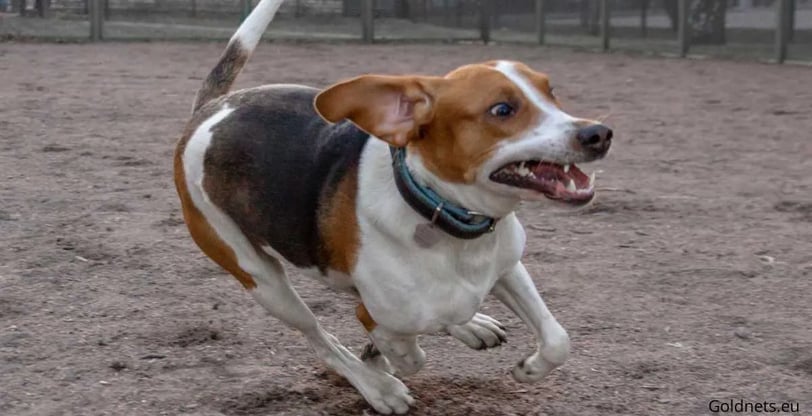
The Estonian Hound, also known as the Nordic Hound, is a special breed of dog that belongs to the category of hunting dogs. In terms of origin, it comes from Estonia, where it has long been used for hunting, thanks to its outstanding senses and endurance. The Estonian Hound is not only a great hunting dog, but also a versatile companion that adapts perfectly to the family environment. The popularity of this breed is constantly increasing, as it is an ideal choice for lovers of active time outside and seekers of experiences.
The Estonian Hound typically has an energetic and curious nature, which makes it suitable for various activities such as cross-country running or cycling. Due to its friendly and playful nature, it can be a useful partner for dog owners in everyday life, while also maintaining its hunting skills. This versatility makes the Estonian Hound a popular choice not only for hunters, but also for families. Those who are looking for a persistent and active dog often find in it the realization of their ideas about the perfect companion.
However, the Estonian Hound is not only a dog that pays attention to its external features; due to his personality, he builds a relationship with people. The relationship between dog and human is based on a deep and mutual trust that supports the development and well-being of the dog. As a result, many people invest time and energy in getting to know and exploit their dog's abilities as best as possible. Overall, the Estonian Hound is not only outstanding in the field of hunting, but also becomes an active part of people's lives.
Breed history and origin
They say that dogs are man's best friends, but the Estonian hound (étus coonhound) occupies a special place among dog breeds, as it is not only a companion, but also an excellent hunting dog. The history of the Estonian Hound dates back to the beginning of the 20th century, when the breed was developed specifically on Estonian soil. The aim of the breeders was to create dogs that were able to successfully bring down different types of game such as rabbits, deer and wild boar. The breed was developed taking into account local conditions and needs, which contributed to the rich heritage of Scandinavian hunting culture.
The breed was also influenced by the traditional purchasing habits of the area, so the Estonian Hound has an extraordinary adaptability. The dogs became more and more skillful and efficient in hunting based on their experience gained during local hunting practices. In addition, over the decades, the Estonian Hound's popularity has steadily increased, not only in Estonia, but also in other Scandinavian countries. The breed became known as a recognized hunter, as well as a popular family dog. The Estonian Hound combines combativeness and friendliness, which explains why it can be found in so many different situations.
The history of the development of the Estonian Hound is intertwined with the local hunting culture as well as with historical events affecting the breed. Changes and developments affecting the breed reflect the needs of the public and breeders, thus the history of the breed presents a dynamic development that has enriched the world of dogs.
Appearance, build, coat
The Estonian Hound is a medium-sized, muscular dog with an elegant appearance and athletic build. The height at the withers of adult specimens is usually between 48-60 cm, and their weight is between 18-30 kg. The breed is characterized by a proportionate body structure, with long, strong legs and a broad back. These physical characteristics allow dogs to move quickly and persistently, which is especially important when hunting.
The Estonian Hound's coat is short and dense, extremely resistant to weather conditions. The coat type is smooth and tight, thanks to which the dog adapts well to different environmental conditions. In terms of color, the breed comes in several variations, including black, red, and various shades of brown and tiger-striped patterns. The dog's coat is usually one color, but different color combinations and spots give it an exciting look.
The face of the Estonian Hound is characterized by a broad skull and bright, oval eyes that suggest intelligence and friendliness. The jaw is strong and harmoniously fitted to the body, while the ears hang and are usually located at the height of the head. Another characteristic of the breed is the horn-shaped tail, which often curves upwards in a smiling manner, thus giving the dog a dynamic appearance. These physical characteristics make the Estonian Hound easily distinguishable from other breeds, as its appearance serves not only aesthetic but also functional purposes during hunting and social life.
Characteristics and behavior
The Estonian Hound is an extremely energetic and active breed of dog, which is particularly famous for its endurance and agility. This breed is usually medium to large in size and boasts an athletic build. The favorable temperament of Estonian Hounds, which is friendly, intelligent and lively, allows them to adapt well to family life. Since they were developed as hunting dogs, they require regular exercise to help maintain their physical and mental health.
Their social needs are significant, so it is important that they maintain a close relationship with their owner and other animals. Estonian Hounds are highly social dogs that enjoy interacting with other dogs. Early socialization is recommended as it helps them broaden their experiences with other people and animals, thus preventing potential anxiety or withdrawn behaviour. When puppies are growing up, it is worth paying special attention to their education so that they become healthy, balanced dogs.
Regarding the training of Estonian Hounds, it is also important to note that due to their intelligence, they usually learn quickly, but the same trait can also carry some independence. A combination of obedience and hunting training can be ideal for them, as it gradually develops their skills while also allowing them to tap into their permanent search instincts. Conscious and consistent training is essential for establishing positive behavior patterns, so owners should be aware that gradual training, full of praise and rewards, can bring the most favorable results.
Health and care
The Estonian Hound, like all dog breeds, requires special attention to maintain its health. In order to maintain health, regular veterinary examinations are essential. These are not just limited to routine vaccinations, but also include proper screenings that can help in early detection of genetic disorders. Estonian Hounds are prone to certain hereditary diseases, such as dysplasia or joint problems, so their professional control is extremely important.
In order to maintain the dog's physical condition, regular exercise is necessary. The Estonian Hound is an extremely active and energetic dog that needs long daily walks and play. Exercising not only improves physical condition, but also helps prevent behavioral problems that may result from lack of exercise. In addition, socialization is also essential, as it makes the dog friendlier and more balanced.
In order to maintain mental health, it is important for dogs to provide stimulation and challenges. The Estonian Hound is an intelligent animal that requires constant challenge to keep its interest and energetic nature. Playful tasks, agility or dog sports not only entertain, but also help the dog to maintain its mental sharpness.
Attention should also be paid to proper nutrition. Providing the Estonian Hound with the right quality and quantity of food helps to preserve its health and contributes to a long and happy life. A diet rich in nutrients, proper hydration, and maintaining a proper body weight are key to the dog's overall well-being.
Health risks
The perfect companion and hunting dog, the Estonian Hound, although it has many positive qualities, we also have to face certain health risks associated with the breed. These include genetically predisposed diseases that are characteristic of the breed. One of the most common diseases is dysplasia, which affects the hip and elbow joints. This disorder can cause pain and limited movement, and owners should pay attention to screening tests.
In addition, Estonian hounds can also suffer from heart disease, which can be influenced by environmental factors in addition to genetic factors. For prevention, owners should consider regular heart ultrasound examinations, especially for older dogs. Weight problems, such as obesity, are also a serious risk, as they can exacerbate musculoskeletal problems and other health problems.
In order to preserve the health of dogs, owners must pay attention to proper nutrition, regular exercise and compliance with veterinary checks. Estonian Hounds are active dogs, so they need to spend enough time with exercise and mental stimulation. In addition, vaccinations and treatment against parasites should be carried out regularly to minimize the occurrence of diseases. By monitoring their dog's health, owners can contribute to the breed's overall well-being and longevity.
Nutrition
The diet of the Estonian Hound has a significant impact on its health, energy and general well-being. Choosing the right food is important for all dogs, especially at different stages of their lives. For puppies that are going through intensive growth, a nutritious and rich diet is important. In general, special foods made for puppies, which are high in protein and fat, are recommended. These foods provide the necessary nutrients that contribute to the development of bones and muscles.
A balanced diet will be the most ideal for young and adult Estonian Hounds. At that time, the nutritional needs of dogs change, and the ratio of nutrients also changes. Foods developed for adult dogs usually have a lower fat content, so that dogs do not gain weight, while providing enough protein. Depending on the age, changing the ratio of nutrients can result in the animal staying fresher and fitter.
It is also important to find the right ratio of different forms of food, such as dry food, canned food and home-made food. Dry food provides a convenient and long-lasting solution, while canned food is usually tastier and provides extra fluids for the dog. At the same time, home-cooked meals offer a high degree of control over ingredients, but require careful planning to include all the necessary nutrients. Monitoring the correct dosage is essential to keep your Estonian Hound healthy and avoid obesity or other nutritional problems.
Useful websites:noinet.hu