


Complete Knowledge of the Komondor Dog Breed: History, Care
The Komondor dog breed stands out for its extremely interesting and attention-grabbing appearance and character, as well as its popularity among dog lovers.
DOGS
10/21/20246 min read
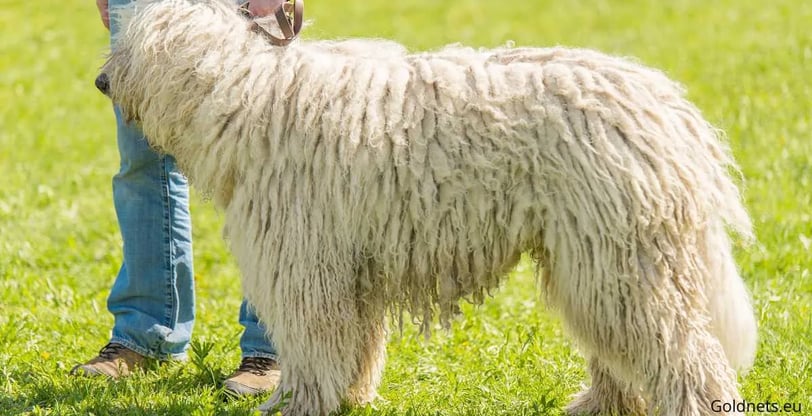
The Komondor dog breed stands out for its extremely interesting and attention-grabbing appearance and character, as well as its popularity among dog lovers. The roots of this breed go back to Hungary, where they were traditionally used as shepherds and house guards. The Komondor immediately attracts attention with its particularly large stature and curly, long fur, and is famous not only for its appearance, but also for its strong protective instincts. This dog breed is interesting not only because of its appearance, but also because of its character traits, which make it particularly suitable for a wide range of tasks.
When talking about the Komondor dog, it is worth mentioning that it can be an excellent companion for families, especially if given proper care and training. For countless dog lovers, it means finding a true companion and protector in this breed. The mixture of ancient roots and today's modern way of life creates a special relationship between the Komondor and its owner, which is of fundamental importance for the health and happiness of the dog.
In the later parts of the article, we will examine in detail the history of the Komondor breed, its characteristics and the particularly important care requirements during sifting. With this information, potential owners will get a complete picture of what is involved in keeping a Komondor dog, and how they can become responsible and loving dog owners.
History and Origin of the Komondor Dog Breed
The history of the Komondor dog breed goes back to the Hungarian shepherd culture and is one of the oldest breeds that lived in the area. The komondor, traditionally used to protect sheep, previously adapted to a nomadic shepherd lifestyle, protecting the flock from predators such as wolves and bears. Its origin can probably be traced back to the Central Asian dog breeds, which were bred in a bright northern climate and have preserved their powerful, massive structure to this day.
The popularity of the breed gradually increased among Hungarian farmers, who appreciated the Komondor's protective abilities and loyalty. Komondor dogs were used not only in sheep farming, but also in government and military tasks, which made this breed even more valuable. Thanks to their excellent senses and intelligence, Komondors quickly adapted to different working conditions, making the daily tasks of farmers easier.
Over the years, the Komondor breed has been divided into different types that have adapted to the needs of different regions. Classic Komondors are known for their thick, white, corded fur, which helped protect them from cold weather. Emblematic traits of the breed include a strong build and their unique, funnel-shaped head, which emphasizes the character and style of the Komondor. The recognition and respect of this breed among farmers has survived to this day.
Topic recommender
Staffordshire Bullterrier: Detailed Introduction to the Dog
The Basset Hound: The Professional Dog's Expert View
Coton de Tulear: Introducing the perfect pet dog breed
English Cocker Spaniel: The perfect companion and family dog
Appearance, Body Structure, Hair
The komondor dog, which is a breed of Hungarian origin, attracts the attention of many with its impressive appearance. These dogs are usually large, the height of their adult individuals varies between 65-80 cm, while their weight usually ranges between 40-80 kg. The Komondor's strong, muscular build and solid bones allow them to excel as working dogs, especially in herd protection tasks.
One of the most outstanding characteristics of the breed is its woolly, wavy coat, which reflects not only the dog's appearance, but also the functions belonging to the breed. The fur can be found in several different colors, from white to light yellow to shades that help adapt to the external environment. The white fur, which is best known in the areas under the protection of the Komondor, gives the dog a unique appearance.
However, maintaining the coat is a challenge, as the thick, wavy coat is prone to matting. Regular brushing and checking of the coat is essential to prevent unwanted knots. Owners of Komondor dogs must therefore devote time and energy to their care in order to ensure their attractive appearance and health. The unique appearance of the breed mostly emphasizes the protective nature and importance of the dogs, which makes them attractive to farmers and laymen alike.
Characteristics and Behavior
The Komondor dog breed stands out not only for its appearance, but also for its temperament and behavior. These dogs are usually protective and loyal, which is one of the most important characteristics of their breed. Komondors are extremely affectionate with their family members and form strong bonds with their humans. However, they can sometimes be stubborn due to their independent thinking, which can be a challenge during training.
The komondor's activity level is usually moderate. These dogs require regular exercise, but are not as hyperactive as other breeds. Daily walks and time spent outdoors can help maintain their health and support their socialization needs. For Komondors, it is important to gain experience from a young age in different environments, with people and other animals, as this will influence their later behavior.
Their attitude towards social interactions is particularly important, as komondors live not only with humans, but also with other animals. Their socialization needs are extremely important, as dogs with adequate experience tend to be friendlier and more outgoing. Early training and socialization will help your Kamondor dog become a strong, reliable dog that can thrive in a variety of situations. It is recommended for owners to use positive reinforcement, which helps the Komondor learn and helps build a close relationship. Such an approach facilitates not only learning, but also living with dogs.
Health and Care
The Komondor, like most dog breeds, is subject to various health risks that owners should be aware of. One of the most important health problems that Komondors can have is hip and elbow dysplasia. In many cases, these genetic disorders are inherited and can significantly affect the dog's quality of life. It is important that prospective owners choose a breeder who verifies by screening the parents that the puppies have a healthy genetic background.
Another common disease is gastric dilatation volvulus (GDV), which, if left untreated, can lead to a serious, life-threatening condition. Komondors are more prone to bloat, so owners need to pay attention to their feeding habits. It is recommended that they spread out the number of their daily meals and avoid greater physical activity immediately after feeding.
Proper nutrition is extremely important in maintaining the health of Komondors. For young dogs, you should choose food that is rich in protein and nutrients, as they are in an active growth phase. Particular attention should be paid to the ratio of calcium and phosphorus, which is essential for bone development. In their adult years, Komondors only need 2-3 meals a day, as overfeeding can lead to obesity, which can be the root of new health problems.
In order to keep Komondors healthy, regular veterinary check-ups are necessary, during which attention must also be paid to vaccinations, protection against parasites and dental care. Proper care and attention can help preserve the quality of life of Komondors and ensure their long, happy lives.
Who is Komondor Recommended for?
The Komondor dog breed, with its characteristic appearance and strong personality, occupies a special place in the hearts of dog owners. This dog is primarily recommended for those who have experience in keeping large breeds. The Komondor deserves attention not only for its impressive dimensions, but also for its unique structure and special needs. This dog breed is different from traditional pets, so potential owners should carefully consider whether they can provide the lifestyle and environment they need.
The Komondor can be an ideal choice for families with an active, outdoor lifestyle, as this breed likes to roam free and play. This dog is especially comfortable in a rural environment where it has plenty of room to move around. In addition, although Komondors are loyal and loving companions, they require consistent training and handling. So it is important that owners are aware of the effort required to control the dog.
Although Komondors are great housekeepers, they are not suitable for every family. Prolonged grooming needs and the potentially powerful adult temperament of large dogs can present challenges for lay dog owners. For those who are aware of these special needs and are willing to invest the time and energy into proper training and care, the Komondor can be an extremely rewarding companion. The love and loyalty of the breed is of real value when placed in the right environment.
New Research and Success Stories
In recent years, interest in the Komondor dog breed has grown significantly, which has led to new scientific research and results. The new studies target the animals' genetic makeup, behavior and health issues, allowing researchers to gain a deeper understanding of this special breed. The primary goal of this research is to improve the breeding and welfare of Komondors, while taking into account the relationships between owners and dogs.
During the interviews, experts and researchers share their experiences on how to best integrate komondors into family life. The interviews shed light on the character of the Komondors, emphasizing their protective and loyal natures typical of the breed. Based on the experience of these experts, we can learn about many success stories; these include the use of Komondors in various helping and therapeutic work, which makes the lives of both dogs and owners richer and more meaningful.
Owners of Komondors tell emotional accounts of the positive impact their dog had on their lives. All these successes and stories serve as inspiring examples for those who want to learn about the Komondor breed. Komondor dogs are not only protectors of homes, but also friends who testify to their loyalty and abilities. This exceptional breed provides exciting experiences for its owners, and the knowledge gained during research is constantly expanding our knowledge about komondors.
Useful websites:noinet.hu