


Istrian Hound: Detailed presentation of the dog breed
The Istrian Hound (Canis lupus familiaris) is a charming dog breed that stands out not only for its physical appearance, but also for its versatility and friendliness. The size, color and general behavior of this breed have attracted the attention of many dog lovers
DOGS
12/4/20246 min read
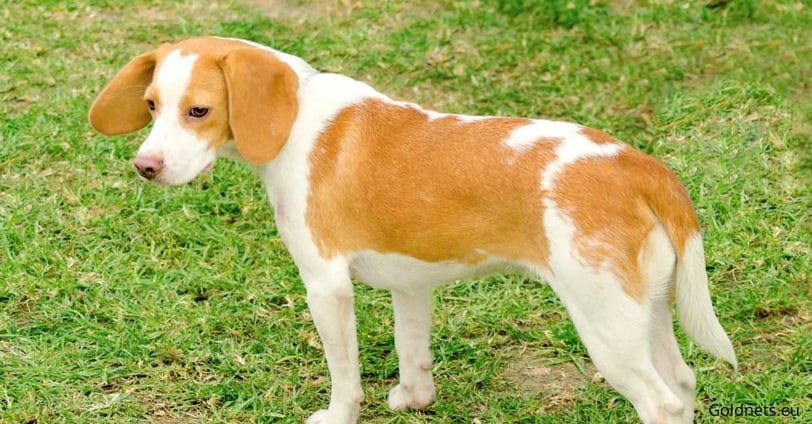

The Istrian Hound (Canis lupus familiaris) is a charming dog breed that stands out not only for its physical appearance, but also for its versatility and friendliness. The size, color and general behavior of this breed have attracted the attention of many dog lovers, so it is important to present it in more detail. The purpose of our article is to provide comprehensive information about the characteristics and history of the Istrian Hound, as well as the benefits for their owners.
Dogs, as man's best friends, play a key role in our lives. They are not just companions, but also helpers who support their owners in many areas. The Istrian Hound is particularly popular among people with an active lifestyle, as it is energetic, intelligent and extremely affectionate. This breed of dog originally became known as a hunting dog, but nowadays, due to its appearance and character traits, it is increasingly becoming a family favorite.
The Istrian Hound has many advantages that owners can experience. Loyalty, intellect and playfulness are manifested not only in the Istrian Hound, but also in the love and commitment to the owner. In addition to all this, the dog breed is characterized by a nature that can be easily trained and socialized, which promotes a smooth coexistence. In the rest of our article, we will examine the characteristics of the Istrian Hound in more detail and show why it is worth dealing with this special breed.
Breed history and origin
The Istrian Hound, also known as the Istrian Greyhound, originates from the Croatian region of Istria and has a history dating back several centuries. The origin of the breed is closely intertwined with the local hunting culture, where the dog was primarily used to hunt deer and other big game. The Istrian Hound quickly became popular due to its loyal and persistent character, and it established itself not only as a hunter, but also as a housekeeper and companion. During its breeding, special attention was paid to maintaining the breed's natural working ability, which allowed the dog to successfully perform its tasks during hunting.
The gene pool of the Istrian Hound is rich and diverse, as local breeders have continuously crossed different dog breeds for centuries in order to achieve the desired characteristics. Folk beliefs related to the breed also played a role in the direction in which the Istrian Hound developed. It appears in many legends and tales as a faithful companion that can save its master's life even in the most difficult situations. In the local communities, the breed was recognized not only as a useful animal, but also as a cultural element.
The Istrian Hound is now increasingly popular not only in Istria, but also worldwide. In order to preserve the breed, it is important that the breeders consistently keep in mind sustainable breeding practices, the aim of which is to allow future generations to get to know this wonderful dog. Understanding local traditions, culture, and the characteristics of the dog breed can contribute to the Istrian Hound's rightful place in the modern world.
Appearance, build, coat
The Istrian Hound, which is one of the Croatian dog breeds, has a distinctive and attractive appearance. Its physical characteristics distinguish it from other dog breeds in many ways. These dogs are medium-sized, the weight of adult specimens is usually between 18 and 25 kilograms, and their height varies between 40 and 55 centimeters. Thanks to these dimensions, the Istrian Hound can be an ideal companion for more athletic owners who lead an active lifestyle.
In terms of body structure, the Istrian Hound is a muscular and powerfully steered dog that attracts attention with its sporty appearance. The proportions of his body are harmonious; the head is well-proportioned, the ears are long and drooping, thus giving an expressive facial expression. The neck is muscular, moderately long, which ensures powerful movement for the animal. Their legs are strong and even, which helps their dexterity when hunting.
The color and pattern of the coat is also characteristic; the Istrian Hound's short and thick coat usually has brownish or lemon-yellow spots on a white background, which form a beautifully elaborate pattern. This color combination is not only decorative, but also practical, as dogs can hide from certain types of hunters in the natural environment. The maintenance of their coat is relatively simple, which makes it easier for owners to keep them.
Characteristics and behavior
The Istrian Hound is an intelligent and energetic dog breed with special characteristics. The temperament of the breed is generally friendly and lively, which makes it ideal for keeping in a family environment. Istrian hounds adapt well to different life situations, but proper socialization is essential for harmonious coexistence. From a young age, it is important to meet different people and other animals in order to become a balanced dog.
The Istrian Hound's activity level is high, so regular daily exercise and employment are necessary to optimize its physical and mental well-being. Long walks, games and even agility training offer great opportunities to release their energy. Low activity or boredom can lead to behavioral problems such as destruction or excessive barking, so it is essential that the dog is exercised regularly and with variety.
In terms of training needs, Istrian Hounds learn quickly due to their intelligence, but require consistent and positive reinforcement. A firm and friendly approach is most effective as it encourages cooperation. Too loose or inconsistent parenting can create distractions that can make the dog's behavior unpredictable. Overall, if given proper attention, Istrian Hounds make loyal and loving companions in homes.
Health and care
The Istrian Hound, like many other dog breeds, is prone to certain health problems, but with proper care and preventive measures, these risks can be significantly reduced. It is essential for dog owners to be aware of the breed's characteristics and needs in order to ensure the health and happiness of their dog.
The Istrian Hound is generally a healthy dog breed, but there are some warning signs to look out for. These include joint problems, heart disease and certain skin problems. Regular veterinary check-ups are recommended, during which the vet can detect potential problems before they appear. The dog should have a general health check-up at least once a year, but ideally every six months, so that we can make sure that everything is in order.
Prevention is also key. It is recommended for the Istrian Hound to get the right vaccinations to protect him from common dog diseases. In addition, regular worming and flea checks are also an important part of dog care. Feeding dogs is also important to maintain health. Providing a high-quality dog food that meets the needs of the breed can help avoid many nutritional problems.
Physical activity also plays an important role in the health of the Istrian Hound. These dogs are energetic and require an active lifestyle. Regular walks, play, and providing mental challenges can contribute to the health of the dog's body and mind. With this proper attention and care, the Istrian Hound can live a happy and healthy life with its owner.
Health risks
Istrian hounds, like all dog breeds, are exposed to a number of health risks. Among the most common diseases is dysplasia, which refers to the defective development of various joints, such as the hip and elbow. This disease can lead to painful mobility limitations and the development of arthrosis, so owners should pay attention to the development of puppies and regularly check their body weight.
Second, cardiovascular problems can also occur in this breed, such as mitral valve disease, which can interfere with the proper functioning of the heart. Symptoms of this include coughing, fatigue and shortness of breath. A regular veterinary examination can help in its early detection, so it is worth attending a screening examination at least once a year.
Furthermore, Istrian Hounds can be sensitive to skin problems such as allergies or infections. These problems can often be accompanied by itching, redness and hair loss. It is important for owners to carefully observe their dogs' skin and fur, because early detection can help with treatment.
Dental problems such as plaque and tartar build-up are also common among Istrian Hounds. Regular dental care, such as brushing and dental checkups following literature recommendations, can help prevent the development of these problems. With all this in mind, owners can proactively contribute to the health of their dogs.
Nutrition and care needs
Istrian hounds, like all dog breeds, have different nutritional needs that can change with age. A nutrient-rich diet developed for puppies is essential for their growth and development. The ideal food has a high protein and fat content, which helps the development of muscles and the maintenance of energy levels. Puppy food should contain vitamins, minerals and omega-3 fatty acids that support the immune system and cardiovascular health.
Adult Iztrian hounds need 2-3 meals a day, during which their diet must be balanced. To help with sufficient protein, carbohydrate and fat intake, the nutrient must come from a quality source. In the case of older dogs, fewer calories and increased attention to well-being are necessary, so more antioxidant-intensive foods and easily digestible foods may become necessary.
Caring for dogs is not just limited to food. Daily exercise is essential, especially for Istrian Hounds, as they are an active and energetic breed. At least 60-90 minutes of walking, running or playing a day is necessary to maintain ideal weight and health. The game not only improves the physical condition, but also contributes to the mental stimulation and socialization of the dog.
Overall, proper nutrition and consideration of care needs are key to maintaining the health and well-being of Istrian Hounds. Ensuring a proper diet and incorporating daily exercise into the routine helps these breeds of dogs to be happy and in harmony with their owners.
Useful websites:noinet.hu