


The Greenland Dog: A Guide to the Breed
The Greenland dog, also known as the Greenland Dog breed, is a special and remarkable breed of dog that is a unique companion in the canine world. This breed was mainly bred for use in arctic areas, where it has outstanding working abilities.
DOGS
12/3/20247 min read
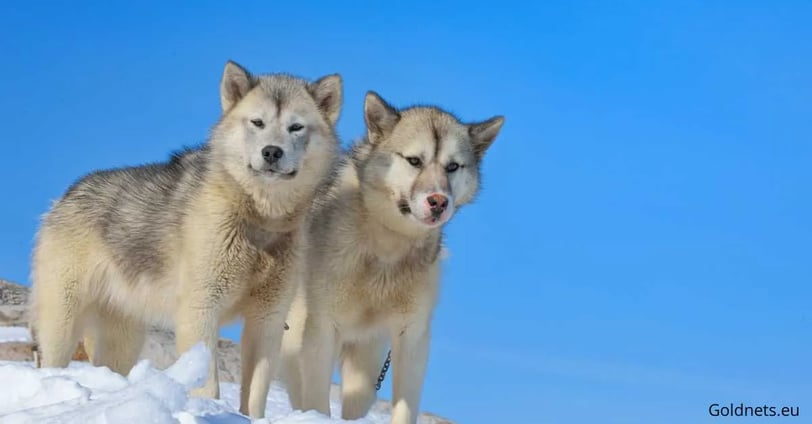
The Greenland dog, also known as the Greenland Dog breed, is a special and remarkable breed of dog that is a unique companion in the canine world. This breed was mainly bred for use in arctic areas, where it has outstanding working abilities. The Greenland dog is known not only for its physical strength and endurance, but also for its gentle and loyal nature, which is extremely attractive to dog owners. In addition, many people are looking for the breed because of its beauty, as it can be a charming companion for everyone with its imposing appearance.
There are several reasons why we considered it important to present the Greenland dog. On the one hand, the breed is deeply rooted in human history, as it has accompanied the lives of the northern peoples for thousands of years as a symbol of loyalty and perseverance. On the other hand, there are many misconceptions and misunderstandings surrounding this unique breed, so it is essential to give a true picture of it. Our goal is to educate readers about the Greenland dog's characteristics, needs and the joys of living with them.
In the following parts of the article, we will cover the history, temperament, health needs of the Greenland dog, as well as common problems and solutions for the breed. We provide our readers with useful information on proper care and attachment to the breed, allowing them to understand the Greenland Dog well and make their lives even more enjoyable.
History and origin of the breed
Originally from the arctic regions, the Greenland dog has been closely associated with human society for thousands of years. The development of this breed is closely intertwined with the Inuit culture, whose members used the Greenland dog mainly for hunting, transporting loads and obtaining fur for heating. The life of the Inuit communities is unimaginable without these dogs, as they were indispensable helpers in everyday life, as well as in survival in extreme weather conditions.
The Greenland dog probably evolved from domesticated descendants of ancient American wolves with tails. It began with the appearance of dogs in the Middle Ages, when the Inuit and the nomads developed a mutually beneficial relationship. This variety has been shaped in every way by the trials and challenges that life in the Arctic brings. It is characterized by loyalty, strength and endurance, which helped the Greenland dog to adapt to the harsh environment in which it lived.
Throughout its history, the Greenland dog has faced many threats, including climate change, which has had a significant impact on their habitat, as well as adapting to the needs of modern society. As transportation options have improved, the role of the Greenland dog has also changed, although the breed is still highly valued as a bearer of Arctic experiences and an embodiment of cultural heritage.
Appearance, build, coat
The appearance of the Greenland dog is remarkable, characterized by its robust body structure and the uniqueness of its imposing coat. Their average height in adulthood is 50-60 cm, while their weight ranges from 25-35 kg, so they are considered a medium-sized dog. Their body structure is powerful and muscular, which is a consequence of their adaptation to the cold climate environment. Specimens with broad chests, strong necks and straight backs are particularly attractive, which is not only aesthetically attractive, but also functional, as it helps them bear the load, for example, when pulling a sled.
The coat of the Greenland dog is characterized by a double-layered structure, which provides reliable protection against the cold. The bottom layer is soft and dense, while the top layer is long and water-repellent, so the dog can easily cope with extreme weather conditions. These qualities make the Greenland Dog an excellent choice for people who want to be active outdoors in cold weather. The color of the fur can be varied, black, gray, red, and solid white are among the commonly occurring colors. This variety not only draws attention to the uniqueness of dogs, but also satisfies the different aesthetic preferences of pets.
Overall, the Greenland Dog's appearance and build both reflect the breed's strengths and adaptability, making them ideal for cold climate lifestyles.
Characteristics and behavior
The Greenland dog has a unique temperament, which manifests itself in behavior patterns characteristic of the breed. These dogs are generally friendly, intelligent and strongly attached to their families. In addition, they are social creatures who enjoy the company of people and other animals. It is important to start their socialization early, as Greenland dogs can be prone to protective behavior if they are not introduced to different environments and situations.
Greenland dogs have a high activity level and by nature require regular exercise. These animals have a strong ability to work, who like to perform tasks, be it a long walk or various sports activities. If they don't get the physical activity they need, they can become bored, which can lead to various destructive behaviors. Constant activity and mental stimulation are essential for their well-being.
Considering their training needs, it is important to emphasize that although the Greenland dog is extremely intelligent, it can sometimes be stubborn. The principles of consistency and positive reinforcement are the most effective methods for them. In order to ensure proper training, it is worth contacting a specialist who can help train the Greenland dog and support him in the learning process. By considering these aspects, every dog owner will be able to get the best out of their dog.
Health and care
Greenland dogs are generally strong and healthy breeds, but like many other dog breeds, they have potential health problems. The lifespan and health of dogs depends on many factors, including genetics and proper care. Among the most common problems with Greenland dogs are hip and elbow dysplasia and cataracts. These problems require attention, and a professional veterinary examination can help screen for and treat them.
In order to maintain the health of Greenland dogs, it is important to visit the veterinarian regularly. The annual comprehensive examination provides an opportunity for early detection and prevention of various diseases. In addition, these animals are also prone to frost damage, so it is especially important to protect them sufficiently against extreme environmental effects in cool weather. The right diet is also key, it is important to provide nutrient-rich foods for optimal growth and development.
Grooming Greenland dogs is not complicated, but requires regularity. Their fur requires special attention, as they have dense and waterproof fur. It is recommended to brush them at least once a week, especially during the molting period, when the fur begins to change with fur. Bathing is not necessary too often, as excessive cleaning can destroy the natural oils of the coat. In order to maintain a healthy build and good condition, regular exercise, such as long walks or active games, is also vital for Greenland dogs.
Health risks
The Greenland dog, like any other breed, can have many health risks that can have a significant impact on the animal's quality of life. Common genetic disorders of this breed include hip dysplasia and heart disease, which usually occur later in a dog's life. These problems are usually hereditary, so animal breeders should pay special attention to the screening of the parents to minimize the transfer of risks to the offspring.
Another common health risk is the occurrence of eye diseases, such as progressive retinal atrophy, which leads to the gradual deterioration of a dog's vision. Dog owners are advised to regularly take their pets to the vet for comprehensive eye examinations. For Greenland dogs, proper nutrition and physical activity play a key role in maintaining health. These dogs, being active animals by nature, crave a lot of movement and challenges.
Farmers can take steps to reduce these risks; regular health screenings and genetic tests can help detect potential problems early. In addition, choosing a professional diet that is full of nutrients can help strengthen your Greenland dog's immune system, thus reducing susceptibility to disease. The most important task for dog owners is to ensure regular veterinary check-ups and to optimize the living conditions of their dogs for a long and healthy life.
Nutrition and care needs
As an active and vigorous breed, the Greenland Dog has special nutritional needs that vary with age and activity level. Choosing the right diet is key to keeping these dogs healthy and energetic. Healthy food contributes to the development of the Greenland dog's strong skeleton and muscles, which is especially important in puppyhood.
For young dogs, Greenland dogs in the growth phase require the right amount of protein, minerals and vitamins. Their diet should be rich in animal protein such as chicken, beef or fish, as proteins play an essential role in muscle growth. In addition, the ratio of calcium and phosphorus must also develop properly in order to support the healthy development of bones.
In the case of adult Greenland dogs, the diet should contain the right proportions of fats, proteins and carbohydrates. Fats, such as fish oil, contribute to energy and promote coat health. The composition of the recommended food usually contains 20-30% protein and 8-15% fat, depending on how active the dog is. Carbohydrates like oats and brown rice are also important because they provide energy for daily activities.
Furthermore, when feeding Greenland dogs, attention must be paid to regularity: they need two to three meals a day, and the food must always be given in the right amount to avoid overweight. Adequate hydration is also essential, so they must always be provided with a source of fresh water. By following the nutritional recommendations, Greenland dogs can live a long and healthy life.
For whom the Greenland dog and lifestyle are recommended
The Greenland dog, also known as the Greenlandic Dog, is a dog breed with special needs, which is ideal for owners who lead an active, outdoor lifestyle. This breed is not only extremely energetic, but also needs regular physical activity, which is essential for their well-being and health. Therefore, the Greenland dog can be an ideal choice for those who like to hike, run or do other activities that require intense exercise.
Owners of the Greenland dog should take into account that the breed can grow up to 30-40 kilograms in weight by the time it reaches adulthood, so proper training and socialization are extremely important. Owners who are experienced in keeping dogs and are willing to take the time to develop their dog can have much more success living with a Greenland Dog. This breed of dog is highly intelligent and docile, but it can also tend to be independent, so it needs a firm but loving leader.
The Greenland dog is most comfortable in environments where it can move freely and explore nature. A home with a large garden or close to areas where they can run and be outdoors is ideal for them. Owners who live in a housing estate and cannot provide adequate exercise and a wide range of stimuli may not be the best choice for a Greenland Dog.
Useful websites:noinet.hu