


Dutch Shepherd: Everything you need to know about this breed
The Dutch Shepherd, or Dutch Shepherd in English, is one of today's most popular dog breeds, which has won the hearts of many dog lovers with its versatility and intelligence. Dogs belonging to this breed are extremely popular both as working and family dogs.
DOGS
12/3/20247 min read
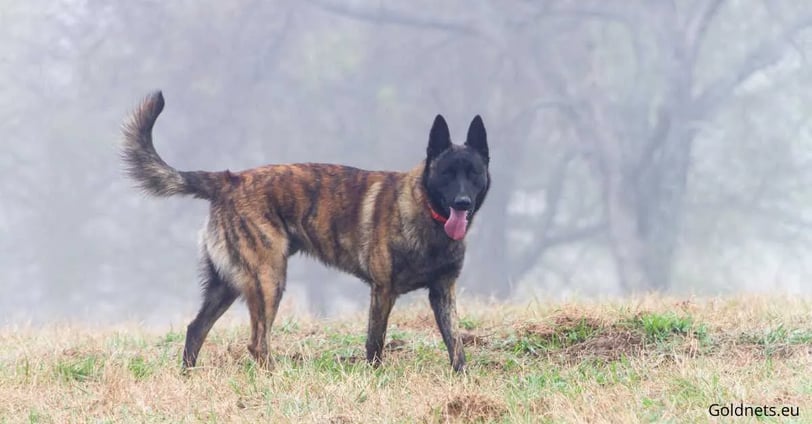
The Dutch Shepherd, or Dutch Shepherd in English, is one of today's most popular dog breeds, which has won the hearts of many dog lovers with its versatility and intelligence. Dogs belonging to this breed are extremely popular both as working and family dogs. These dogs have many uses, such as herding dogs, sports and competition dogs, and faithful companions in everyday life. Dutch Shepherds are also famous for their diligence and easy learning, which allows them to excel in various tasks.
These dogs are able to satisfy many human needs, which contributes to their popularity. Whether it is active recreation, herding or guarding tasks, the Dutch Shepherd can be an excellent choice. The breed also has an ancient, rich history that is closely intertwined with the development of Dutch agriculture. Dutch shepherd dogs were traditionally used as herding dogs, their task was to control and protect the flock. This background not only characterizes the breed, but also lays the foundation for their versatility, which also prevails in today's modern life.
The purpose of this article is to present the special characteristics and versatility of the Dutch Shepherd that make it worth getting to know this breed. In the following, we will deal in more detail with the characteristics and upbringing of the Dutch Shepherd, as well as how we can create lasting relationships with this dog, which enriches our everyday lives. Anyone who wants to choose a dog should think about Dutch Shepherds, so it is advisable to find out more about them.
History and origin of the breed
The Dutch Shepherd, also known as the Dutch Shepherd, is a special dog breed whose roots go back to the 19th century. Breeding of the breed was adapted to the needs of Dutch agriculture, where it was mainly used for guarding and herding sheep and other animals. The ancestor of the Dutch Shepherd, the local herding dogs, were used by village communities to ensure that the animals were protected from predators and danger. Thanks to their versatility, these dogs were able to perform many tasks, so they were bravely used as helpers for farmers.
Various breeds, such as the German shepherd, the border collie, and other herding dogs, played an important role in the development of the breed. These crossbreeds contributed to the Dutch Shepherd's outstanding intelligence and agility, which allowed them to perform their tasks efficiently. At the beginning of the 1900s, the breed officially received professional recognition, and many breeders began to deal with the regular breeding of Dutch Shepherds. Since then, it has gradually become popular not only as a working dog, but also as a family pet.
The goal of the founding breeders was to create a working dog that was extremely docile, reliable and adaptable. Today, the Dutch Shepherd is a generally recognized and sought-after dog breed that can perform various tasks, including animal control and search and rescue work. In addition to all this, the breed has preserved its loyalty and devotion to its owners, so the Dutch Shepherd is not only a working dog, but also a true companion. Its origin and history hide many interesting aspects, all of which contribute to understanding why this breed is so special.
Appearance, build, coat
The Dutch Shepherd is a medium-sized breed that officially belongs to the herding dog group. His overall appearance is powerful and athletic, reflecting his ability to work and energetic nature. Males are usually around 60 cm tall and weigh 25-30 kg, while females are a bit smaller, usually 55-60 cm tall and weigh 20-25 kg. Strong bones and well-developed muscles allow them to perform intense physical activities with ease.
The coat of the Dutch Shepherd exists in different versions, most often they have long and medium length hair. Its fur is dense and water-repellent, which protects the dog against various weather conditions. Their coloring can vary, including shades of black, yellow, brown, and gray, often with varying reddish or brownish tones on the hairs. We can also find spotted, striped and solid-colored specimens, all of which give the breed a different but equally attractive appearance.
At first glance, a Dutch Shepherd makes a friendly and intelligent impression, with which it easily wins people's hearts. His face is expressive, his medium-sized, almond-shaped eyes suggest intelligence, while the adjustable ear shape reflects affection and obedience. All these characteristics contribute to the fact that the Dutch Shepherd is not only an excellent working dog, but also a loyal companion.
Characteristics and behavior
The Dutch Shepherd, also known as the Nederlandse Herder, is a highly intelligent and versatile dog breed that belongs to the working dog class. Its temperament is typically lively and friendly, making it an ideal choice for families. The members of this breed are extremely affectionate, so a strong bond develops between them and their owner. Their activity level is also high, so they need daily exercise and mental challenges. Regular walking, running or various sports greatly contribute to healthy development both physically and mentally.
The socialization needs of Dutch Shepherds are also outstanding. Meeting different people, other dogs and different environmental stimuli is almost essential at a young age. This helps them become balanced and confident individuals. As a result of proper socialization, the Dutch Shepherd develops into a dog with a friendly and open nature, which is especially important in a family environment.
In terms of training requirements, the Dutch Shepherd is extremely receptive and docile. It responds quickly to commands, which is due to the breed's intelligence and desire to please its owner. Training with positive reinforcement is the most appropriate method to help keep the dog not only well-trained, but also kind and cooperative. These kinds of challenges are especially important for dogs of the breed, as they stimulate them and prevent problem behaviors that arise from boredom.
Health and care
Dutch Shepherds, like all other dog breeds, are prone to certain health problems, so it is important for owners to be aware of their basic needs in order to keep dogs healthy. Dutch Shepherds are generally robust and long-lived, but they are also at risk of various diseases due to genetic predispositions. These include hip and elbow dysplasia, eye diseases, and skin problems. Regular veterinary check-ups help with early diagnosis and treatment, which is essential to maintain health.
Key elements of Dutch Shepherd care include proper nutrition, regular exercise, and proper socialization. A nutritious and balanced diet contributes to a dog's overall well-being and energy levels. Dogs need enough exercise to stay physically active and mentally healthy. Dutch Shepherds are an intelligent, active breed, so mental challenges and playful activities such as ball games and agility training are important to them.
In the case of dogs belonging to the breed, it is essential to comply with the mandatory vaccinations and protection against parasites during regular veterinary checks. Timely vaccinations can protect them from many potentially serious diseases. In the case of puppies, socialization is also fundamental, since early experiences influence the dogs' later behavior and mentality. For the farmers, the care of the Dutch Shepherd is therefore a serious responsibility, which also guarantees the preservation of health and the happiness of the dog.
Health risks
Dutch Shepherds, like all breeds of dogs, can be prone to certain health problems. By knowing the most common diseases, dog owners can better prepare for potential health challenges and thus help their dog live a long and healthy life. One of the most common diseases that the Dutch Shepherd can struggle with is dysplasia, which affects the hip and elbow joints. This disorder can cause limitations in the movement of dogs and can be painful for them, so it is important that owners support their pet with proper nutrition and regular exercise.
In addition, Dutch Shepherds can be prone to certain skin problems. In such cases, skin inflammation and allergic reactions are common. Grooming and bathing dogs regularly can help prevent them. Additionally, heart problems in adult dogs, such as dilated cardiomyopathy, can also be a cause for concern. Regular veterinary examinations are essential for the early detection of heart diseases and the application of ideal medical treatment methods.
The best way to minimize these risks is regular medical check-ups and proper nutrition. Lifelong vaccinations, antiparasitic treatment and adequate exercise are also essential in maintaining the health of the Dutch Shepherd. Owners must be aware of the health risks specific to the breed, so they can deal with problems in time, thus ensuring the health of their pet.
Nutrition and care needs
The nutritional needs of the Dutch Shepherd are closely intertwined with the breed's typical activity level and life stage. This breed of dog needs sufficient protein, fats, carbohydrates, vitamins and minerals for proper growth and development. Puppies, adults and senior dogs have different dietary needs that must be taken into account when planning their nutrition.
It is recommended for puppies to receive nutritious food specially designed for puppies, which helps the development of the skeletal system and muscles. In general, it is recommended to feed them three to five times a day, taking into account the dosage determined by age and size. In the case of adult Dutch Shepherds, two meals a day are sufficient, while the amount of food must be adjusted to the dog's activity level. Senior dogs' nutritional needs may change, and lower calorie foods are often recommended to avoid obesity.
In addition, proper care is essential for Dutch Shepherds, which includes regular exercise, play and mental stimulation. Due to their active nature, dogs need long daily walks and playtime to stay physically and mentally balanced. Mental challenges such as learning, agility training or interactive games contribute to dogs' well-being, helping this super-intelligent breed to reach its potential.
Who is the Dutch Shepherd recommended for?
The Dutch Shepherd is an extremely versatile and intelligent dog breed that can be ideal in many social settings. It is especially recommended for families with an active lifestyle. This breed of dog is energetic and playful, so it provides excellent company when living with children. The integration of the Dutch Shepherd as a family member greatly contributes to the development of children, as it teaches them responsibility and empathy.
It is also ideal for those who exercise regularly, as this dog requires exercise. The Dutch Shepherd excels in various dog sports, such as agility, obedience or flyball, so it is also recommended for owners with an active lifestyle. In addition, the breed is extremely docile, with early socialization and proper training, it quickly learns new commands and sciences.
For those who work with animals, for example in dog schools or therapy programs, the Dutch Shepherd is also highly recommended. This breed is typically kind, friendly and sensitive, so it can be used as a helper in various situations. However, it is important to mention that the Dutch Shepherd is not an ideal choice for owners who can devote little time to their dog or who do not have the necessary experience in keeping dogs. Keeping this breed requires serious commitment and attention, and is only recommended for those who can handle it.
Useful websites: noinet.hu