


Dandie Dinmont Terrier: Care of the Dog Breed
The Dandie Dinmont Terrier is a special dog breed that originated in Scotland. It originated in the early 1700s and was named after the novel Dandie Dinmont, a character written by Sir Walter Scott. The dog breed has since gained popularity worldwide, especially in the United Kingdom.
DOGS
11/30/20246 min read
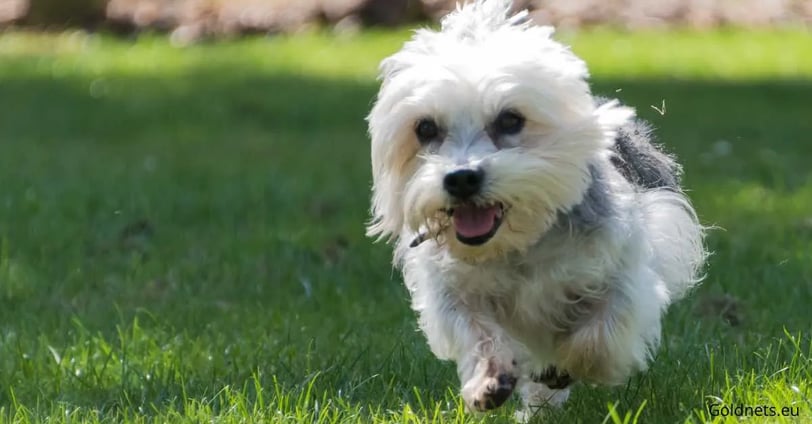
The Dandie Dinmont Terrier is a special dog breed that originated in Scotland. It originated in the early 1700s and was named after the novel Dandie Dinmont, a character written by Sir Walter Scott. The dog breed has since gained popularity worldwide, especially in the United Kingdom. The Dandie Dinmont Terrier has a small body, standing 20-24 cm tall and usually weighing 8-11 kg. Their silver and mustard colored coats make them special, which is one of the most striking features of the Dandie Dinmont Terrier's appearance.
The Dandie Dinmont Terrier is known for its friendly, intelligent and loyal nature. These dogs are strongly attached to their owners and can be good companions for all members of the family. It is important that prospective owners are aware of the needs of the Dandie Dinmont Terrier, as without care and training, adult dogs can develop behavioral problems. It is recommended to provide them with adequate socialization to develop into a friendly and balanced dog.
This special, warm-hearted small terrier of this breed requires an active lifestyle in addition to immediate social needs. In addition to walks and games, mental stimulation is also important, which can be provided, for example, by playing games or teaching tricks. The Dandie Dinmont terrier wins the hearts of its owners not only with its impressive appearance, but also with its loving nature, which is why many people choose this extraordinary breed. For the owners of these dogs, they can find not only a companion, but also a loving family member in the form of the Dandie Dinmont terrier.
Breed history and origin
The history of the Dandie Dinmont terrier dates back to the 18th century, when it was developed in Scotland. The breed was created by crossing iron-legged, short-legged terriers that served as local hunting dogs. The aim of the breeders was to create a dog that could hunt badgers and badgers in the Scottish countryside. The Dandie Dinmont Terrier, also known as the horse's stuff, has become the ideal dog for the hideaways found in the Scottish pine forests and hilly and mountainous areas.
This dog breed got its name from the small village of Dandie Dinmont, which in the 19th century was a favorite character in the novels of its admirer, Sir Walter Scott. The Dandie Dinmont Terrier is typically a friendly, affectionate and intelligent dog that was an integral part of medieval country life. Adult individuals weigh between 8-11 kg and are around 20-28 cm tall, making them ideal pets. One of their most prominent features is their rich, curly coat that provides protection from the elements.
The Dandie Dinmont Terrier's rise to fame is partly due to the breed's close association with English and Scottish culture. Over the past centuries, this dog breed has become more and more popular and has become the center of attention at many exhibitions and events. Thanks to the breeding goals applied to the breed, the Dandie Dinmont terrier has retained its original hunting qualities, while at the same time becoming a kind and family-oriented favorite. In the next section, we present the information related to its care in more detail.
Appearance
Due to its unique appearance, the Dandie Dinmont terrier can be easily distinguished from other breeds. This dog has a short stature and a long body that highlights the breed. Its average weight ranges from 8 to 11 kilograms, which can be observed in both male and female specimens. Their body height can reach 20-28 centimeters, which also contributes to the characteristic appearance of the breed.
The Dandie Dinmont Terrier is muscular but not too heavy built. The head is large, round and wide, the eyes are dark and expressive, which gives the dog a friendly appearance. Their ears are hanging, wide-based, which magnifies the wearing of the fur coat. Their bodies are short but strong, and the musculature reflects the energetic nature of the breed.
The strange but attractive coat is one of the Dandie Dinmont Terrier's most prominent features. The coat is available in different colors, the most common being mustard and pepper. The texture of the coat is dense and furry, which protects the dog from the cold weather. He also has special needs when it comes to caring for his fur; regular combing is necessary in order to avoid tangled hairs, and the dog must also be clipped periodically. Thorough cleaning of the dog's coat is also essential to maintain a healthy state, as the accumulation of dirt can cause skin irritation.
Characteristics and behavior
Known for its unique appearance and attractive temperament, the Dandie Dinmont Terrier has special needs and specific behavior patterns. The activity level of this breed is medium; you need at least an hour of exercise every day to be healthy and happy. Walks, games and active outdoor activities help maintain the dog's physical and mental condition.
The socialization needs of the Dandie Dinmont terrier must also be taken into account. When he is young, it is important that he meets different people and other animals so that his social skills develop properly. This breed of dog is generally friendly and kind, but lack of proper socialization can lead to behavioral problems such as excessive fear or defensiveness. Regular visits to dog parks or friends' houses where there are other dogs will help build healthy socialization.
During training, the Dandie Dinmont terrier's intelligent and learnable qualities can help trainers. Positive reinforcement, such as using praise or treats, is the best way to teach it. Since you tend to be stubborn, patience and consistency are key to success. The Dandie Dinmont Terrier generally adapts well to family life, but it needs the love and attention of its owner to become a truly happy and balanced dog.
Health and care
In order to maintain the health of the Dandie Dinmont Terrier, proper care and regular veterinary check-ups are essential. Dogs of this breed, although generally lively and healthy animals, may be prone to certain genetic diseases, so screening is mandatory. During medical visits, the dogs' general health is monitored and they receive the necessary vaccinations, thereby reducing the risk of disease.
Exercise is also key to keeping your Dandie Dinmont Terrier healthy. This breed of dog has an energetic and playful nature, so it requires regular physical activity. Daily walks and games with mental challenges help maintain the physical and mental well-being of dogs. Exercise promotes joint and bone health, while mental challenges help keep dogs happier and more balanced.
It is important that the feeding of Dandie Dinmont terriers is properly dosed, taking into account their individual needs. A healthy, balanced diet greatly contributes to the longevity and vitality of dogs. In addition to nutritious food, regular dental care is also essential to prevent tooth and gum diseases.
The mental well-being of this breed of dog must also be given extra attention; social relations, kindness and interactive games all contribute to the development of a harmonious dog-human relationship. Spending time and shared experiences build dogs' self-confidence and happiness.
Health Risks for the Dandie Dinmont Terrier
The Dandie Dinmont Terrier, like all dog breeds, can suffer from specific health problems. One of the most common diseases we can face is dysplasia, which refers to abnormalities in the joints of the hips and elbows. This problem is often hereditary, and its appearance can cause significant pain and limited mobility in our dog's life. It is important to recognize the related signs in time and to minimize the risks with regular veterinary checks.
Another health risk specific to the breed is respiratory problems that can occur due to the short nose of Dandie Dinmont Terriers. Such dogs may be prone to breathing difficulties, especially in hot weather or during physical activity. Proper nutrition and proper exercise are essential in preventing respiratory problems.
Another attention-grabbing disease is the occurrence of skin diseases, which are often triggered by allergic reactions. Dandie Dinmont Terriers can be sensitive to various environmental allergens such as pollen or dust mites. A consultation with your veterinarian can help you make a proper diagnosis and develop treatment options.
In addition to all this, maintaining nutrition and regular exercise is key to maintaining health. In the care of the Dandie Dinmont terrier, the emphasis should be placed on prevention, paying attention to the dog's behavior and health. This way, our dog can live a long and happy life, avoiding the above health risks.
Nutrition and care needs
When considering the nutritional and care needs of the Dandie Dinmont Terrier, the stage of the dog's life plays an important role. Puppies, adults and senior dogs have different nutritional needs that owners need to consider in order to maintain optimal health. Puppies, who are growing and developing quickly, need food rich in protein. Puppies are recommended to eat three to four meals a day, which should contain high-quality, commercially available puppy formula that provides them with adequate vitamins and minerals.
An adult Dandie Dinmont Terrier requires two meals a day, and the dietary recommendations for his diet are also influenced by his activity level. For dogs with average activity, food means 1-2 cups of dry food per day, while more active dogs, such as those used for therapy or sports, may need even more. In addition, accurate measurement of portions is critical to avoid excess weight, as the Dandie Dinmont Terrier is prone to obesity.
In old dogs, the diet is more flexible, because the energy requirement may decrease. Older dogs require special attention to maintain urinary tract health, so it's worth looking for dietary recommendations that support kidney function and the gastrointestinal system. For older Dandie Dinmont terriers, the number of meals per day can be reduced, but the proportion of nutritious ingredients should naturally be increased. In addition, taking into account regular exercise, veterinary check-ups and the socialization of the dog is extremely important for proper care.
Useful websites:noinet.hu