


The Bull Terrier: All Aspects of the Dog Breed
The Bull Terrier is a fascinating and loving dog breed that has become extremely popular among dog lovers in recent decades. Dogs belonging to this breed are easily recognizable.
DOGS
10/20/20246 min read
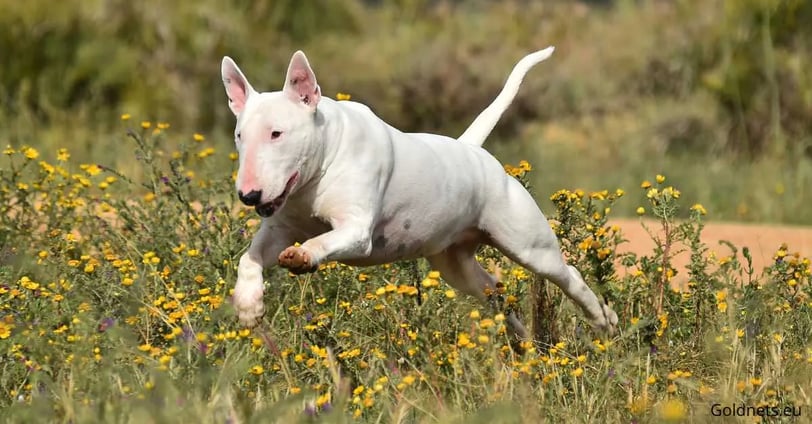
The Bull Terrier is a fascinating and loving dog breed that has become extremely popular among dog lovers in recent decades. Dogs belonging to this breed are easily recognizable with their solid, muscular body and characteristic egg-shaped head. The Bullterrier, a member of the terrier family, stands out for its friendly nature and energetic personality. This dog is not only a pet, but also a member of the family, a faithful companion in everyday life.
People are often drawn to this breed because the Bull Terrier is extremely playful and affectionate. It is a popular dog not only among children, but also among adults, as the bond between dog and human can be extremely close. Due to their intelligent and docile nature, these types of dogs quickly adapt to family life as well as to the new environment. The Bull Terrier is a great choice for those who live an active life as they need exercise and mental stimulation.
The Bullterrier breed is characterized by its courage, independence and loyalty, but in addition to all this, it requires proper training and socialization. Below, we present in more detail the characteristics of the Bullterrier, its upbringing, and the necessary care aspects, so that you can learn more about this special and loving breed. We would also like to draw the attention of our readers to the Bullterrier, which can be one of the most exciting members of four-legged friends.
History and origin of the Bullterrier breed
The Bullterrier breed originated in Great Britain in the early 1800s. The breed was created by crossing the English bulldog and various terriers with the aim of obtaining a strong, brave and clever dog capable of working. Bull Terriers were originally used to control the fight between rodents and animals, as well as for sports. The English bulldog provided its physical strength, while terriers such as the Manchester terrier and the Staffordshire bull terrier gave the breed its speed and agility.
The appearance of the Bullterrier has also changed significantly over time. Early specimens were much smaller and sturdier, while by the late 1800s the breed became known for its curved head and distinctive oval eyes. A prominent characteristic of Bullterriers is their color; in addition to the original white version, later colored copies also appeared, which became more common as the Schönheitszucht of dogs grew up. The appearance and character of Bull Terriers and their close relationship with the world of working dogs is a particularly important aspect of the breed, as they have become known not only for their participation in sports, but also for their frequent involvement in human communities.
The Bullterrier breed has thus undergone many influences throughout history, which further shaped the dogs' habits and character. Today's Bull Terriers are particularly friendly and sociable dogs that stand out in the family atmosphere and as service dogs, fulfilling the role of both work and entertainment in people's lives.
Topic recommender
The Bichon Frize: The Heartthrob of Puppies
All Aspects of the Shih Tzu Dog Breed
The Bernese Mountain Dog: Everything You Need to Know
Miniature Spitz Pomeranian Dog: Everything You Need to Know
Cocker Spaniel: Introducing the ideal dog breed
Appearance, build, coat
The appearance of the Bullterrier is one of the best known characteristics of this dog breed. The iconic head shape, which is oval and flattened, sets them apart from other breeds. Their facial features are strong and their jaws are wide, reflecting the breed's robust nature. The Bullterrier's body structure is muscular and compact, giving them a distinctive appearance. The strong neck and broad shoulders are further proof of the breed's typical muscular structure.
Bullterriers vary in weight and height, but are generally considered a medium-sized dog. Their average weight is between 25-35 kg, while their height varies between 30-40 cm. Their stocky build and proportionate body length help them to move and maintain their agility. Their backs are straight, and their legs are strong and muscular, which ensure stability and quick movement.
The Bullterrier's coat is short and smooth, which contributes to the breed's characteristic elegance. The coat type is smooth and shiny, which provides easy grooming for owners. Its color variations cover a wide spectrum: the most common are white, black, tiger-striped and slate-colored dogs. The fur of Bull Terriers is not only aesthetic, but also protects them from environmental influences, so proper care, such as regular brushing and bathing, is important to keep their fur healthy and beautiful.
Characteristics and behavior
The Bullterrier has a unique temperament that combines many qualities. This breed of dog is energetic, playful and extremely loyal to its family members. His activity level is high, so he needs exercise and mental challenges on a daily basis. Walks, games and training ensure that the Bull Terrier stays fresh and in shape. This breed of dog is particularly fond of various sports, such as agility and flyball, which offer them a variety of movements.
The Bullterrier's socialization needs are also important, as early socialization has a great impact on the dog's later behavior. It is important that they meet different people and other animals from a young age so that they are able to understand and accept differences. In addition, socialization helps prevent potentially problematic behaviors such as territorial aggression or overprotective behavior.
In order to achieve success, the Bullterrier's training needs must also be taken into account. This dog is intelligent and eager to learn, but also tends to be stubborn. In order to learn basic obedience commands, you should use positive reinforcement such as rewards and praise. A consistent and patient approach is key to ensuring your Bull Terrier responds well to training and understands the tasks chosen.
Health and care
Maintaining and caring for the Bullterrier's health is of fundamental importance for individuals belonging to the breed. With this breed of dog, owners should be aware of various health risks, which include skin problems, cardiovascular diseases, and joint disorders characteristic of adulthood. It is important for Bull Terriers to have regular veterinary check-ups so that potential health problems can be detected and treated in time.
A healthy diet is key for the Bullterrier at all stages of life. For puppies, food should be rich in protein and nutrients to support growth and development. Adult dogs need a balanced diet that includes a variety of animal proteins, vegetables and grains. The diet of older Bull Terriers also requires special attention, as a slowing metabolism and a sedentary lifestyle may require changes in the ratio of nutrients.
In order to keep Bull Terriers healthy, regular exercise is essential. These dogs are energetic and playful, so they need at least 1-2 hours of exercise a day. Walks, dog games and agility training all contribute to maintaining physical condition and mental stimulation, which is also important for their health. Bullterrier owners must therefore pay attention to both proper diet and exercise to ensure their dog's health.
Who is the Bullterrier recommended for?
The Bullterrier is an extremely interesting and special breed of dog that can be an ideal choice for many people. It is mainly recommended for adults and families who are ready to keep a dog and take on the responsibility that comes with it. The Bullterrier has a friendly and affectionate nature, so it can be a great companion for children as well, if it is raised in the right way.
The Bull Terrier is an energetic and active dog that loves to run and play, making it an ideal choice for those who lead an active lifestyle. If a dog owner takes care of his Bullterrier regularly, provides him with constant exercise, mental challenges and training, then the dog will grow into a happy and balanced adult. It is important to understand that the Bullterrier has a strong character and is persistent, so owners need experience to live with the dog.
In the case of families, the Bullterrier can fit into everyday life very well, provided that the children are aware of the proper handling of dogs. The breed is good-natured, but at the same time needs firm training to avoid unwanted behavior. For those who appreciate the loyalty and love of dogs, or those who want an energetic and attentive companion animal, the Bullterrier may be the right choice.
New research, stories and interviews
Recent research on the Bullterrier breed has revealed many interesting facts that contribute to a deeper understanding of the dog's behavior and personality. Recent studies have shown that the Bullterrier is generally energetic, loyal and affectionate, which has been confirmed by owners based on their own experience. During the interviews about the breed, the farmers gave an authentic picture of how they shaped their lives taking the needs of the Bullterrier into account.
Several owners have shared their Bullterrier experiences, including the challenges of raising, training and socializing them. During the interviews, it was said that the Bullterrier is highly intelligent and docile, but at the same time needs clear boundaries and consistent training. Many owners have emphasized that positive reinforcement plays a key role in the training of their dogs, which contributes to Bull Terriers responding well to different situations.
Based on the research and the farmers' experience, it became clear that the Bullterrier can be not only a pet, but also a real family member. While there are negative stereotypes associated with the breed, it is important to emphasize that with proper training and socialization, many Bull Terriers become kind and friendly companions. The interviews provide insight into the strong bond that can develop between owners and Bullterriers, enriching the lives of both parties.
Useful websites:noinet.hu