


The Bukovina Shepherd Dog: Everything Worth Knowing
The Bukovina Shepherd Dog is a charming and remarkable breed of dog that originates from the Carpathian and Bukovina regions. This breed was primarily bred to protect and guard flocks, as its characteristics include courage, vigilance and loyalty.
DOGS
11/12/20246 min read
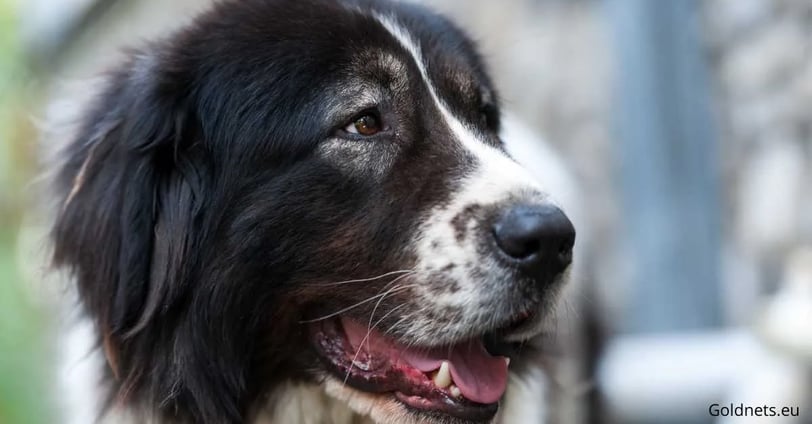
The Bukovina Shepherd Dog is a charming and remarkable breed of dog that originates from the Carpathian and Bukovina regions. This breed was primarily bred to protect and guard flocks, as its characteristics include courage, vigilance and loyalty. These dogs are not only large in size, but also possess extraordinary intelligence that allows them to act independently when their owners are not present. Understanding breed characteristics and behavior patterns is essential for farmers to properly train and care for them.
The Bukovina Shepherd Dog plays an important role in the traditional shepherd's life, where it functions not only as a protector of the flock, but also as a confidant friend of the farmer and the family. The loyalty and courage of this breed is unquestionable, and together with this they form a special bond with their owner. This deep connection not only serves to strengthen the bond between dog and owner, but also contributes to the dog's socialization.
Below, we present in more detail the characteristics of the Bukovina Shepherd Dog, as well as its natural environment, which shaped this breed. Our goal is to provide necessary information and other useful information that will help you better understand the importance of this impressive dog breed in the canine world.
History and Origin of the Bukovina Shepherd Dog Breed
The Bukovina Shepherd Dog, also known as the Bukovina Shepherd Dog, originated at the foot of the Carpathians and in the Bukovina region. This breed was a faithful companion of shepherds who protected large cattle and flocks. Throughout history, the development of the Bukovina Shepherd Dog was closely linked to the traditions of cattle and sheep farming, so the dog's genetics were formed in the course of the local environment and in accordance with the needs of the farmers.
In ancient times, the Bukovina Shepherd Dog was already a defining part of the local communities due to its outstanding skill and defensive ability. Dogs were used to protect the flocks from the wild as well as help in herding. During the origin of the breed, the mountainous lifestyle and harsh conditions contributed to the Bukovina Shepherd Dog being extremely hardy and adaptable.
As one of the three breeds, the Bukovina Shepherd Dog developed as a result of many historical events, for example during the wars, when they not only protected the flocks, but also the homeland. The II. After World War II, the popularity of the breed decreased, but thanks to the efforts of local breeders and animal lovers, the Bukovina Shepherd Dog was rediscovered and is still actively bred today. The breed's characteristics and unique appearance make it possible for the Bukovina Shepherd Dog to be suitable not only as a working dog, but also as a family pet.
Appearance, Body Structure, Hair
One of the most striking features of the Bukovina Shepherd Dog is its imposing appearance and robust body structure. These dogs are medium to large in size, with a symmetrical build coupled with powerful musculature. Their average weight is between 30-50 kg, and their height can grow to 65-80 cm, which suggests not only strength, but also elegance. The outstanding body structure of this breed of dog helps them to effectively fulfill their original task, the role of herding and protecting the flock.
The coat of the Bukovina Shepherd Dog is thick and strong, which protects them from adverse weather conditions. The coat can be found in several color variations, typically white, yellow, and black to brownish shades, often supplemented with a spotted pattern. The fur is long and straight, and thanks to its snow protection layer, it provides protection against the cold, while in adulthood it will be so rich that it provides a sense of comfort even in difficult conditions. The health of dogs with fur is closely related to proper care, which requires regular combing.
At dog shows, the appearance of the Bukovina Shepherd Dog is a fundamental evaluation criterion. Breed standards, which define the desired characteristics, play a significant role in the classification of dogs. Body structure, coat length and color, and the harmony of the dog's general appearance are essential to make the dog stand out at the show. By taking these into account, the best rankings can be achieved.
Characteristics and Behavior
The temperament of the Bukovina Shepherd Dog is extremely diverse, which stems from the breed's ancient working dog heritage. These dogs have a developed intellect and natural protective instincts, which makes them an ideal choice for farmers and ranchers. Their activity level is high and they need regular exercise to stay healthy and happy. In addition, their need for socialization is significant, as they need appropriate experiences from a young age in order to become balanced and well-adjusted adult dogs.
In everyday life, Bukovina Shepherd Dogs usually display their protective nature when they are with their families or with the animals entrusted to them. They are strongly attached to their owners, paying special attention to family members and protecting the territory. However, it is important to note that they are not ideal family dogs for everyone. Those who lead an active life and devote enough time to raising and socializing the dog will have a greater chance of winning with the breed. Their need for training should not be underestimated either; the Bukovina Shepherd Dog responds well to clear instructions and processes, but consistency and positive reinforcement play a key role in their training.
Overall, the Bukovina Shepherd Dog boasts a strong character, and if the owner takes responsibility for the Kurta's public dignity, it can become an excellent companion and protector. Planned and proactive interaction with the dog is key to a successful coexistence.
Health and Care
The Bukovina Shepherd Dog, also known as the Bukovina Shepherd Dog, is a robust and healthy breed if it is raised with proper care. The basic state of health is determined by a combination of proper nutrition, regular exercise and professional veterinary care. Due medical examinations help prevent common breed diseases such as joint problems or genetic disorders. It is worth visiting the vet at least once a year to have the dog's health checked thoroughly.
In the case of the Bukovina Shepherd Dog, special attention must be paid to nutrition. A balanced dog food, which contains the necessary nutrients, vitamins and minerals, is essential for the proper growth and development of the dog. The dog must also be provided with a sufficient amount of water, and it is worth creating a nutritional routine especially suitable for dogs in order to avoid obesity.
Regular exercise plays a key role in maintaining the health of the Bukovina Shepherd Dog. Due to the dog's energetic nature, it is necessary to take regular daily walks and let it out. In addition, the dog also needs mental stimulation to avoid problematic behavior arising from boredom. Dog sports such as agility or obedience training can also be a great way to keep your dog active.
Care of spines, hair care and dental care are part of everyday care. The Bukovina Shepherd Dog has a thick, waterproof coat that requires occasional brushing to minimize shedding. Regular trimming of the paw nails is also essential to maintain and facilitate the dog's movement.
Health Risks
The Bukovina Shepherd Dog, like any other dog breed, can be exposed to a number of health risks that are important to future owners. One of the most common problems that dogs of this breed can face is hip dysplasia. This disease results from the abnormal development of the hip joint and can cause pain and limited mobility. In order to prevent it, it is important that the dog undergo a thorough screening, especially if such a problem has already occurred between the parents.
Another common health problem of the Bukovina Shepherd Dog is elbow dysplasia, which is also a hereditary condition and can also contribute to a decrease in the dog's quality of life. Symptoms include limping and difficulty moving. A healthy diet and adequate exercise can help minimize risks, and also play an important role in successful rehabilitation.
In the case of adult Bukovina Shepherd Dogs, skin problems such as atopic dermatitis caused by allergens can also be observed. The treatment of allergic reactions requires a dermatological expert opinion, and we can often help the dog with an appropriate diet and medication. With proper care and medical checks, these problems can be prevented in most cases, so dogs can live healthier lives.
It is therefore essential for the Bukovina Shepherd Dog to have regular veterinary checkups, proper nutrition, and meeting its exercise needs. These measures can help dogs live long, healthy and active lives.
Nutrition and Care Needs
The nutritional needs of the Bukovina Shepherd Dog are closely intertwined with its physical activity and developmental stages. A healthy diet is essential for the well-being of this breed, as the correct nutritional intake can support the dog's energetic lifestyle and ideal body weight. In the case of puppies, it is worth providing three to four small meals a day, as this helps their digestion and growth. It is recommended that the basis of the diet is a premium quality, dry food that contains the necessary proteins, fatty acids, vitamins and minerals.
For the adult Bukovina Shepherd Dog, it is sufficient to provide two meals a day, which must be paid attention to in order to have a nutritious and balanced diet. Combining dry and wet food can also be useful, as it takes into account the dog's hydration and taste preferences. In terms of protein content, high-quality meat such as chicken, beef or lamb plays a fundamental role in muscle development and regeneration.
It is important to note that Bukovina Sheepdogs can be prone to certain health problems such as obesity. Therefore, it is recommended to adjust the amount of food to the dog's activity level and avoid overfeeding. A dog's care needs include regular exercise, adequate social interaction, and routine veterinary checkups. These measures can help to ensure that the Bukovina Shepherd Dog remains not only healthy, but also happy.
Useful websites:noinet.hu