


Bedlington Terrier: The Expert's Guide to the Breed
The Bedlington Terrier is a very special and fascinating dog breed with many unique characteristics. The origins of this breed date back to the 18th century and were bred in the Bedlington area of Northern England.
DOGS
11/10/20246 min read
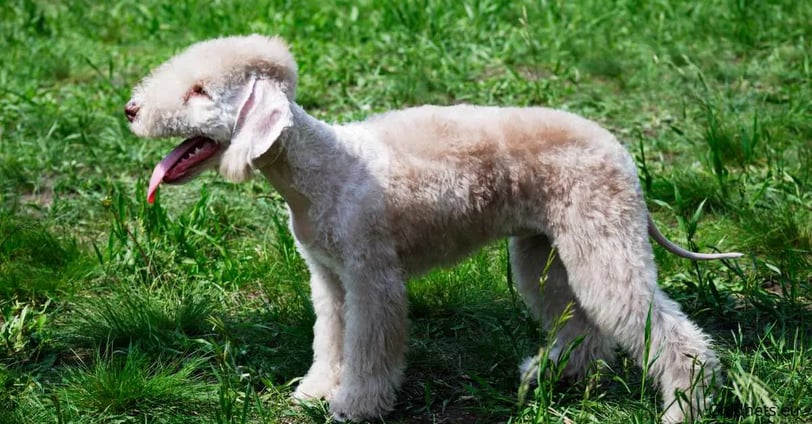
The Bedlington Terrier is a very special and fascinating dog breed with many unique characteristics. The origins of this breed date back to the 18th century and were bred in the Bedlington area of Northern England. It originally started out as a miner's dog, tasked with hunting small rodents such as rats and rabbits. The Bedlington Terrier has evolved over the years and is now a popular choice among families not only as a working dog but also as a pet dog.
This breed stands out for its unique appearance, characterized by a curly, soft coat and an elegant, ocular-shaped head. His body is strong and wiry, regardless of the fact that his weight usually ranges between 8-10 kg. The Bedlington Terrier is full of life and energy, so it needs proper restraint and mental stimulation. With its social and friendly nature, the breed can be a great companion for young and old alike.
It is important to emphasize that the Bedlington Terrier captivates owners not only with its appearance, but also with its kind and loyal personality. He is a good student and usually excels in various dog sports such as agility or obedience. The reader should familiarize himself with the details of this special breed, because the Bedlington Terrier is not just a dog, but a loyal and loving companion in every moment of life.
History and Origin of the Bedlington Terrier Breed
The history of the Bedlington Terrier goes back to the end of the 18th century, when the local miners in the town of Bedlington in East England started breeding a special breed of dog. Their original purpose was vermin selection, i.e. the extermination of rodents and other pests around the mines. The energetic and agile physical structure of the Bedlington Terrier has allowed them to occupy a prominent place among working and racing dogs. The characteristics of the breed include an elegant appearance and a soft, curly coat, which allowed the dog to be entered in interesting competitions and shows.
During the Victorian period, the Bedlington Terrier grew in popularity and many breeders began working with the breed to promote it as both a racing dog and companion animal. Interestingly, the appearance and breeding of the dog is also reflected in the musical and literary culture of the time, for example, it found itself at the center of the social elite. In accordance with the spirit of the time, the Bedlington Terrier existed not only as a useful working dog, but also became a symbol of social status.
By the 20th century, the Bedlington Terrier continued to grow in popularity and appeared at many shows. In the modern world, the breed has become increasingly known as a loving family dog, thanks to its friendly nature and intelligence. Today's Bedlington Terrier not only carries the glorious heritage of the past, but also meets the needs of today's dog keeping, as it is an active and affectionate companion for its owner.
Appearance, Body Structure, Hair
The unique appearance of the Bedlington Terrier is instantly recognizable, thanks to its many physical characteristics. The typical height of the breed ranges from 38-44 cm, while its weight is on average 8-10 kg. This medium-sized dog has an elegant body structure that gives it an athletic and powerful appearance. They stand out among the breeds with their harmonious, muscular legs and proportional bodies.
The head of the Bedlington Terrier is characteristically narrow and elongated, with a slightly convex forehead. The facial part is pronounced, and the eyes are dark and lively, through which the intelligence and spirit of the dog can be seen. Their ears are upright, of medium length, and their fur is exceptionally soft and curly. These qualities make them particularly attractive.
The coat of the Bedlington Terrier deserves special attention. The fur is soft, dense, curly, and one of the most defining characteristics of the dog's appearance. The shades are varied, especially wheat, blue and dark brown. Old-style Bedlington Terriers can even be found in shades of white, which further enhances the variety characteristic of the breed. It is important to note that, based on individual breed standards and appearance standards, the Bedlington Terrier should have an average length of 12-15 cm of curly hair all over the body, except for the top of the head, where the hair is usually a bit longer and 'fluffy' in nature.
Characteristics and Behavior
The Bedlington Terrier is a special breed of dog with a unique temperament in many ways. This breed is generally energetic and playful, making it an excellent companion for families. Their activity level is high, so it is important that they get enough exercise as well as mental challenges. Regular exercise helps keep the Bedlington Terrier mentally and physically healthy.
Bedlington Terriers are social dogs by nature who love to interact with people and other animals. They are often friendly and kind, however, they need adequate socialization experiences to become well-balanced adult dogs. In the puppy stage, early socialization is essential, as these experiences shape their later behavior. Discovering a variety of people, animals and environments contributes to the development of positive social skills.
It is also important for the service staff to consider their training needs. The Bedlington Terrier is an intelligent dog that learns best through play and accepted behavior. Obedience and socialization training are essential for optimal development, as this contributes to the dog's calm and confident behavior. Training coupled with supportive and positive reinforcement can also help the socialization of adult dogs, so problematic behaviors can be avoided.
Health and Care
The Bedlington Terrier, like all dog breeds, has specific health needs that focus on prevention, regular medical examinations and proper care. One of the most common diseases that this breed of dog can be affected by is kidney disease. They can also be prone to intestinal and skin problems, so it is important for farmers to be aware of these risks. Regular veterinary check-ups help to detect potential problems early, thus ensuring the Bedlington Terrier's health.
In addition to routine medical examinations, it is recommended for owners to pay attention to their dog's diet. A balanced, nutrient-rich diet is essential for a dog's well-being. In addition, it is important to ensure adequate exercise, as this not only supports their health, but also stimulates them mentally. The Bedlington Terrier is an active breed, so it needs at least 30-60 minutes of exercise every day. Active time can be spent in the form of walks, running or even agility training.
Mental stimulation is also an essential part of a Bedlington Terrier's healthy lifestyle. Because of their intelligence, dogs crave regular entertainment and challenges. Games, training, or even learning new tricks can help keep the dog satisfied and happy. Therefore, both physical activity and mental challenges contribute to the preservation of health, which owners should take into account when caring for their Bedlington Terrier.
Health Risks
The Bedlington Terrier, although generally a healthy dog breed, can face various health risks that are important for owners to be aware of. Genetic disorders specific to the breed include the formation of urinary tract stones, which is particularly common among younger dogs. Bedlington Terriers can also be prone to copper metabolism disorders, which can lead to serious liver problems. This condition, known as hepatopathy, is common in dogs of this breed, so proper nutrition and regular veterinary check-ups are essential.
In addition, the Bedlington Terrier can be prone to certain skin conditions, including various forms of dermatitis. These problems are particularly closely related to the dog's genetic predisposition and environmental factors. Regular bathing and monitoring the condition of the skin can help prevent the appearance of more serious diseases and preserve the health of the dog's skin.
Also, adult Bedlington Terriers can develop age-related problems such as hip dysplasia and heart disease. Therefore, regular veterinary examinations of dogs are important, which can help in prevention and diagnosis. Continuous monitoring of the health status of dogs belonging to the breed and timely recognition of potential problems is key to ensuring a long and happy life.
Nutrition and Care Needs
The Bedlington Terrier's nutritional needs require special attention, as the right food is essential to maintain their health. Depending on the dog, based on age and activity level, the number of daily meals and the amount of portions may vary. For the puppy Bedlington Terrier, who is actively growing, a higher protein and calorie intake is required, while for adult and older dogs, a nutritious but lower calorie diet is recommended.
Optimal nutrients include protein, fat, carbohydrates, vitamins and minerals. Protein sources, such as chicken, beef, or fish, play an essential role in the development of a dog's muscles and tissues. When choosing a high-quality dog food, you must make sure that it contains additional fibers and fatty acids, which are important for maintaining intestinal flora and skin health. A hypoallergenic diet is especially important for Bedlington Terriers, as they can be prone to certain food allergies.
Daily grooming needs include regular grooming, as the special texture of the Bedlington Terrier's hair requires extra attention. The dog should be combed on a weekly basis to prevent tangles and skin problems. We usually take a bath once a month, but only if there is an additional need. In order to ensure activity, daily walks and playtime are necessary, as these help to maintain the dog's fitness and happiness. Overall, by taking into account the Bedlington Terrier's nutritional and care needs, we can ensure a long and healthy life for them.
Useful websites:noinet.hu