


Artois Hound The Gilbert dog breed
There are many different dog breeds in the world of small pets, but the Artois Hound (also known as the Artois Hound) occupies a unique place in the hearts of dog lovers and other representatives of dog breeds.
DOGS
11/10/20246 min read
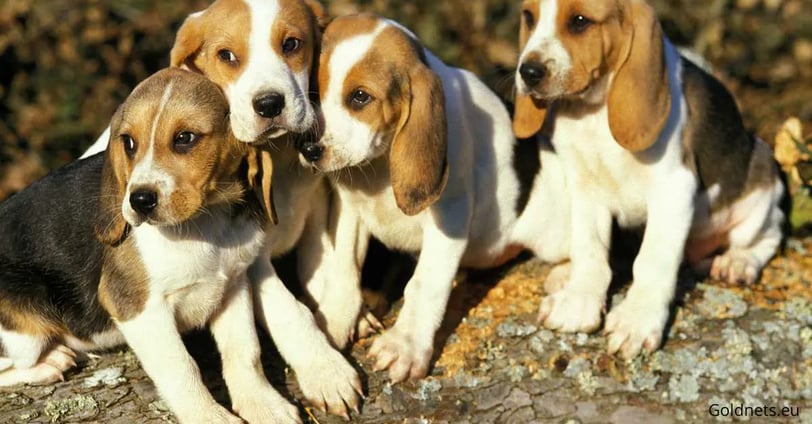

There are many different dog breeds in the world of small pets, but the Artois Hound (also known as the Artois Hound) occupies a unique place in the hearts of dog lovers and other representatives of dog breeds. This special dog breed was developed in France, in the Picardie region, and was originally used for hunting. The outstanding qualities of the Artois Hound include an excellent sense of smell, speed and an extremely friendly nature, which allows them to successfully participate in various dog sports and competitions.
The breed typically has a medium-sized and muscular build, which reflects the performance figure provided during hunting, and which makes the dog extremely attractive. The coat of Artois hounds can vary, often being short and smooth, typical of adulthood. Its colors can be found in several combinations, including shades of white, chocolate and black.
The following sections of the article will present in detail the Artois Hound's history, character, health characteristics, details of its care and education, as well as the social role of adult dogs in the modern world. The goal is for readers to gain comprehensive knowledge about the breed and to properly support their commitment to dogs by understanding the necessary information. The Artois Hound is not only a lovable pet, but can also be a source of considerable outdoor activity and social interaction, so it is important to get to know this fascinating breed better.
History and origin of the Artois Hound breed
The Hound of Artois is an ancient dog breed whose roots go back to 14th century France. The breed developed from the hunting traditions of the Artois region, especially for chasing large game such as deer and wild boar. The region's hilly, wooded areas provided an ideal environment for hounds, which were prized for their superior sense of smell and endurance when hunting.
The Artois hound belongs to the group of French hounds and was formed by crossing the Bourgeois and Harrier breeds. The genetic heritage of these two breeds contributed to the hound's distinctive appearance and behavior. The breed is designed to be extremely adept at following tracks and has an outstanding group hunting ability. The Artois hound became a favorite pet of the French aristocracy, kept not only for hunting but also as a companion dog.
Over time, the breed's popularity declined, especially in the 19th century, when modern hunting methods began to spread. As a result, the Artois Hound almost disappeared, but thanks to the efforts of dedicated breeders, the breed has reappeared. The breed is also considered sought after in the modern world due to an increase in affinity for similar breeds and a resurgence of interest in traditional hunting. Today, the Artois hound is not only a hunting dog, but also a member of the family.
Appearance
The Gilbert breed, also known as the Artois Hound, is easily identifiable by its appearance. The breed's build is solid and muscular, which allows it to stand out with its active and energetic nature. The Artois Hound is a medium-sized dog, standing approximately 52-58 centimeters tall and weighing between 20-25 kilograms as an adult. This size is ideal for the hunting tasks for which the breed was originally bred.
In terms of body structure, the Gilbert breed has a proportionate, long trunk that provides the necessary stability and strength during movement. The neck is relatively long and muscular, and the head is expressive and well-proportioned, emphasizing its intelligence and confidence. The ears hang on the head and are of medium size, while the eyes give the dog an emotional look.
The coat on the body is short and dense, making it easy to maintain. The coat is usually smooth, shiny, and often comes in different shades of color, such as white, brown, and various spots. The characteristics of the coat are not only important from an aesthetic point of view, but also play a role in maintaining the dog's health, as they provide protection against external environmental influences.
The external appearance of the Artois Hound therefore not only facilitates the visual identification of the breed, but also reveals the dog's active lifestyle and energetic nature. By taking into account the vital characteristics, we can get an accurate picture of the breed, which confirms the unique identity of the Gilbert dog breed.
Characteristics and behavior
The Gilbert Hound, also known as the Artois Hound, is an intelligent and energetic breed with outstanding physical attributes. The temperament of the Artois Hound is generally balanced and friendly, which makes it easy to socialize. This breed adapts well to family life, making it an ideal choice for families. Their activity level is high, so they need regular exercise to stay healthy and happy.
Dogs' behavior can change in different situations. Artois hounds are naturally drawn to hunting and running outdoors. They are open and curious, so they enjoy getting to know new environments and people. At the same time, it is important that they are properly socialized from a young age, so that fears and anxious behaviors can be avoided. Early contact with other dogs and people contributes to healthy self-awareness and a balanced character.
During training, special attention should be paid to obedience and positive reinforcement. Artois Hounds tend to be stubborn, so it's important to be patient and give simple, consistent instructions. The playful and enjoyable approach increases their motivation to learn and strengthens the relationship with the dog. The general characteristics of the dogs belonging to the breed are therefore their openness to social interactions, their activity level and a certain degree of challenge that can be observed during training.
Health and care
The Artois Hound, like all dog breeds, has different health needs and care needs. This breed can be said to be generally healthy, but certain diseases are more likely to occur. The most common health problems include hip dysplasia and eye diseases such as progressive retinal atrophy, so it is important to have your dog checked by the vet regularly.
Regular veterinary visits are essential for the health of the Artois Hound. It is recommended to take the dog to a veterinary examination at least once a year, where the veterinarian will thoroughly examine the dog's general health and, if necessary, recommend vaccinations or examinations. In addition, the dog's parasites must be treated, which includes flea and tick control and intestinal worm control.
In terms of care, the Artois Hound should also pay attention to regular dog grooming and hair care activities. This dog breed's coat is gentle yet resilient, requiring regular brushing to remove shed hairs and promote skin health. In addition, it is important to pay attention to the dog's diet, as a balanced diet contributes to the dog's quality of life. The Artois Hound's food should contain all the necessary nutrients to keep it energetic and healthy.
Health risks
The Artois Hound, like many other dog breeds, can come with a number of health risks. These risks are typically genetically determined and arise from common diseases associated with the breed. The most common health problems include dysplasia, heart disease, and eye disease. Dysplasia is particularly common among larger breeds, and the Artois Hound is no exception. The appearance and severity of these diseases often depend on hereditary factors, which is why it is important to choose purebred parents.
In addition, heart diseases such as dilated cardiomyopathy are also common in this breed. These cardiovascular problems can appear especially at a young age, which can lead to a deterioration of the dog's vitality. It is important that owners carry out regular veterinary checks to detect any abnormalities in the dog's heart function in time.
Eye problems such as cataracts and retinal atrophy are also a concern for Artois Hounds. These diseases can significantly reduce the dog's vision or even lead to blindness. In order to prevent it, it is essential to carry out regular medical examinations, which can help in the early detection of health problems.
Overall, the Artois Hound's health is closely related to genetic factors and proper care. It is extremely important for owners to be aware of these risks and take proactive steps to keep their dog healthy.
Nutrition and care needs
The Artois Hound's nutritional and grooming needs play a significant role in maintaining its health and well-being. The nutritional needs of dogs are much more varied than those of many other breeds, and providing them with the right nutrition is essential for their vitality and performance. Artois hounds are active dog breeds, so they need an energy-rich, high-nutrient diet. An ideal diet is usually rich in meat, especially poultry and beef, and contains the right proportion of vegetables and grains.
For young Artois hounds, it is important to provide them with the right amount of food, divided into about 3-4 meals a day, to help their growth and development. Puppies require this increased food intake until they are about 8-12 months old, paying particular attention to the ratio of calcium to phosphorus to support their bone development. For adult Artois hounds, 2 meals a day is ideal, where the amount of portions can be adjusted depending on the dog's activity level and weight.
In addition to nutrition, regular exercise and veterinary check-ups are also key to maintaining a dog's health. Artois hounds require mental challenges and physical activity, so it's worth setting aside time for daily walks and play. In addition, the dog needs regular worming and vaccinations, as well as skin care. Monthly coat care, ear and tooth care can help maintain the dog's health. All of these factors contribute to making the Artois Hound a happy and healthy dog.
Useful websites:noinet.hu