


Altdeutscher Hütehund: The Professional Expert's Guide
The Altdeutscher Hütehund, i.e. the Old German Shepherd Dog, is a unique breed in the world of dogs, which was especially popular among shepherds in the past. The origins of this breed can be traced back to the famous
DOGS
11/7/20246 min read
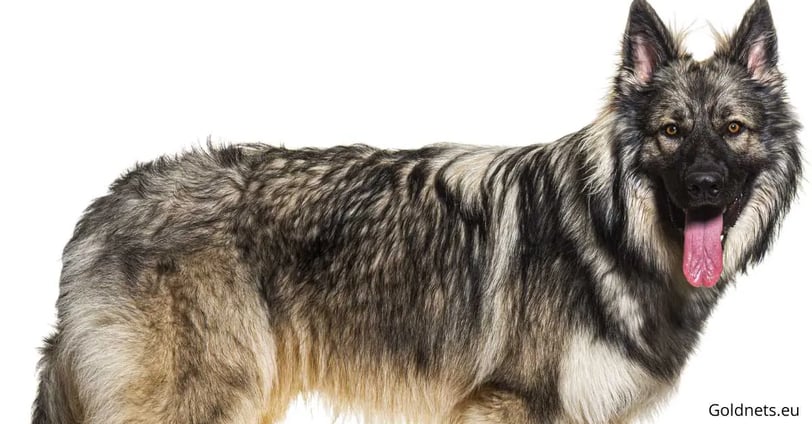
The Altdeutscher Hütehund, i.e. the Old German Shepherd Dog, is a unique breed in the world of dogs, which was especially popular among shepherds in the past. The origins of this breed can be traced back to the famous German shepherds and historically played an important role in herding and protecting livestock. The Altdeutscher Hütehund is not only a helper for shepherds, but also a highly intelligent and active dog that can adapt to different tasks and environments.
This dog breed is highly trainable, which makes it particularly attractive among dog owners. The Altdeutscher Hütehund has remarkable abilities, such as herding skills and close bonds with family members. Those who choose this breed will find that the Altdeutscher Hütehund is not only a pet, but also an active companion with whom you can dig, play sports, and enjoy shared experiences.
The attitude towards dogs, be it training or everyday interactions, is also extremely important for the Altdeutscher Hütehund. Responsible dog ownership not only promotes the happiness of the dog, but also the strengthening of the relationship between the owner and the dog. In the following sections, we will examine this breed in more detail, outlining information on keeping and training it, as well as the challenges prospective owners may face. Our goal is to provide as comprehensive a picture as possible of the Altdeutscher Hütehund breed and its needs, thereby helping potential dog owners to make an informed decision.
History and origin of the Altdeutscher Hütehund breed
More than just a dog breed, the Altdeutscher Hütehund has an extremely rich background and extensive history. The development of the breed dates back to the Middle Ages, when a reliable, intelligent dog was indispensable for the farmers and shepherds of the German lands, which not only guarded the livestock, but also performed various tasks. The breed was created by the crossbreeding of different regional breeds, which developed according to different functions, which were also influenced by the specific geographical and climatic conditions.
Historically, the Altdeutscher Hütehund became popular in the Middle Ages, when guarding and herding adult animals played a prominent role in agricultural life in German villages. At that time, the breed was mainly used by shepherds who needed a reliable companion to protect their flock. As economic and social life developed, the dog breed also changed in order to adapt to different tasks, such as herding and guarding livestock and even sports, which were developed in accordance with the requirements of the modern age.
The breed's appearance and function also evolved, and at the beginning of the 20th century, the breed was already officially recognized in many countries. The Altdeutscher Hütehund retains its original function to this day, while becoming an increasingly well-known and recognized pet. In addition to its original use, the breed is also kept in families today, where it can be a loyal and loving companion.
Appearance, build, coat
The Altdeutscher Hütehund's unique appearance and body structure make this breed stand out from other dogs. They are generally known as medium-sized dogs whose height varies between 50-60 cm. Their body structure is muscular and robust, which allows them to cover longer distances while maintaining their stamina. Strong bones and a proportionate body shape help the dogs during work, whether it is guarding the flock or performing other tasks.
Their fur is relatively long and dense, which provides protection against various weather conditions. The texture of the fur is usually the surviving half, which allows them to adapt to different climatic conditions. They can be varied in color, the most common shades being black, brown and grey, often combined with different spots. In this breed, the uniqueness often stems from the characteristics of each individual, so the color and pattern variations show a wide spectrum.
The appearance of the Altdeutscher Hütehund is not only aesthetic, but also has functional features that help them perform everyday tasks. A good stance, a solid body structure and an attention-grabbing appearance all contribute to this breed occupying a special place in the world of dogs. All of these factors ensure that the Altdeutscher Hütehund strongly reflects the Ghatta heritage and working skills that have been developed over centuries.
Characteristics and behavior
The Altdeutscher Hütehund, which belongs to the German shepherd group, is a highly intelligent and sensitive dog with a unique temperament and behavior in many ways. These dogs are usually protective, which is their outstanding characteristic, so they can become natural guardians. Their attachment and commitment to family members is strong, which makes them excellent companions for their owners.
Altdeutscher Hütehund's activity level is high, so they need regular exercise. These dogs are energetic and enjoy physical activities such as long walks, runs or playing outside. In order to avoid monotony, it is important to provide them with a varied and stimulating environment.
Their socialization needs are also emphasized. Proper early socialization is essential for them as it helps prevent overly jealous or anxious behavior. Altdeutscher Hütehunds are friendly and get along well with other dogs and animals if properly socialized.
In terms of their training needs, the Altdeutscher Hütehund is extremely receptive to learning. Due to their intelligence, they quickly learn new commands and are able to perform complex tasks. Positive reinforcement training methods work best with them as these dogs respond to praise and treats. Patience and commitment on the part of the farmer are important for constant and consistent training.
Health and care
The health of the Altdeutscher Hütehund is directly related to proper care and regular veterinary check-ups. It is characteristic of this breed that it can be prone to certain genetic diseases, such as hip and elbow dysplasia, so choosing an informed breeder is essential. An essential part of dog care is vaccination, which can prevent various infectious diseases. The first series of vaccinations should usually be started at 8-12 weeks of age, after which it is recommended to renew the vaccines annually.
Regular veterinary check-ups are also necessary to detect potential health problems in time. In the case of the Altdeutscher Hütehund, it is recommended to visit the vet every six months. During the course of the treatment, veterinarians carefully examine the dog's weight, skin, ears and mouth, making it possible to detect any abnormalities in time. A healthy diet and regular exercise are also key to maintaining a dog's well-being. It is important to choose food suitable for the given age and activity level.
The mental and physical activity of the Altdeutscher Hütehund also plays an important role in maintaining health. Games, agility training and social interactions all contribute to our dog's happiness and health. In order to ensure proper care, dog owners must pay attention to the dog's needs and habits in order to maintain the dog's favorable health status in the long term.
Health risks
The Altdeutscher Hütehund, like all dog breeds, can face specific health risks and diseases. These problems can be especially important for breeders and dog owners, as the right knowledge can help in prevention and treatment. One of the most common risks is hip dysplasia, which is a genetic disorder. During this disease, the hip joint does not develop properly, which can cause pain and limited mobility.
Additionally, Altdeutscher Hütehunds can also be prone to elbow dysplasia, which has similar problems to hip dysplasia. In addition, such dogs can develop eye diseases such as cataracts or retinal atrophy, which can lead to vision problems over time. The good news is that regular medical check-ups and professional breeding can significantly reduce the risk of these diseases.
Other health risks associated with the breed include intestinal problems, such as stomach upset, which may require emergency care. Possible heart diseases can also occur, so heart examinations are essential in order to preserve the dog's health. To avoid these diseases, it is important for owners to choose dogs from responsible breeders who perform genetic screenings.
Nutrition and care needs
For the Altdeutscher Hütehund, proper nutrition is essential for proper development and a long, healthy life. The nutritional needs of this breed of dog vary, taking into account the dog's age, activity level and health. Altdeutscher Hütehund puppies need especially high protein food to support their growth and development; the recommended food is meat-based dry food, which also contains the necessary vitamins and minerals.
As the dog grows, its nutritional needs change. For young adult Altdeutscher Hütehunds, a balanced diet is most suitable to maintain a healthy body weight and energy level. At this point, they need less protein, but vitamins and minerals still play an important role. In the diet of older dogs, it is worth considering low-fat and easily digestible foods, as they help to avoid weight gain and support a slowing metabolism.
When feeding Altdeutscher Hütehunds, it is advisable to take into account the indicated daily amounts, which usually depend on the animal's weight and activity level. It is worth feeding the dog at regular intervals to develop habits and a routine lifestyle, this helps to prevent digestive problems. In addition, you must always provide him with fresh drinking water, as this can cause him to become dehydrated, which can lead to various health problems in the long run.
Useful websites: noinet.hu