


Alpine Dachshund A Practical Guide to the Dog Breed
The Alpine Dachshund, also known as the Alpenländischer dachsbracke, is a special dog breed that originates from Austria. This loyal and intelligent dog has the characteristics of the dachshund and hound breeds, making it a truly unique combination.
DOGS
11/6/20247 min read
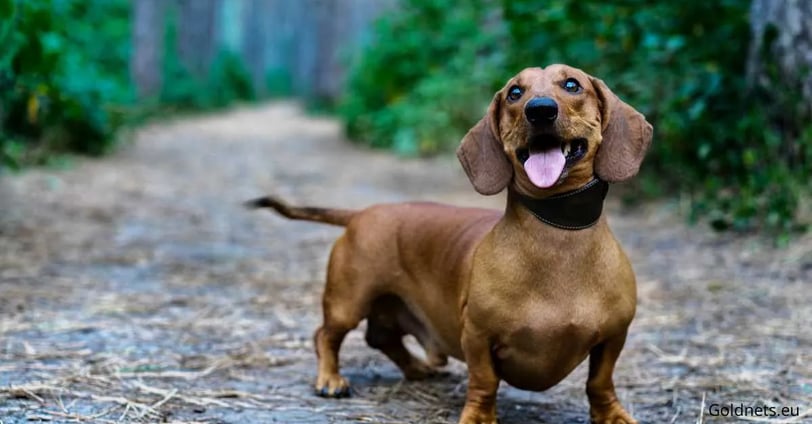
The Alpine Dachshund, also known as the Alpenländischer dachsbracke, is a special dog breed that originates from Austria. This loyal and intelligent dog has the characteristics of the dachshund and hound breeds, making it a truly unique combination. The breed's popularity has steadily increased over the years, as its appearance and temperament have attracted the attention of many dog lovers. The Alpine Dachshund stands out not only for its appearance, but also for its excellent senses and hunting skills, which make it ideal for hunters.
Many people are looking for a breed of dog that adapts well to the family environment, but at the same time is able to participate in active leisure activities. The Alpine Dachshund can be a perfect choice as it is energetic, playful and extremely sociable. His personality traits include courage, loyalty and diligence, making him an ideal companion for dog lovers who want to enjoy all aspects of dog ownership.
In this article, we present the Alpine Dachshund breed in more detail, including its history, characteristics, care requirements and training aspects. Furthermore, we touch on the potential challenges of the dog breed so that potential owners are aware of the commitment required. If you are interested in this special breed, stay with us and learn more about the Alpine Dachshund and its magical world.
History and origin of the Alpine Dachshund breed
The unique development of the Alpine Dachshund goes back centuries and is closely related to Central European cultures. This breed was originally bred in the area of the Alps, where a strong and durable dog was needed to deal with the challenges of driven hunting and hunting. The name dachshund refers to dachshunds and the kópo breeds, which are originally a crossbreed. The breed was shaped by a process of natural selection and human breeding aimed at superior skill and perception in hunting.
According to legend, the Alpine dachshund, as a breed, was already present in the Middle Ages, when the success of hunting became of fundamental importance to mountain communities. In order to preserve the hunting traditions of the Alpine regions, the local breeders constantly experimented with different breeds of dogs, while also perfecting their hunting skills. The Alpine Dachshund belongs to the group of working dogs, as it has played an important role in farming since ancient times, assisting farmers in herding and hunting.
The breed was officially recognized in the 20th century, when breeders began to work on standardizing and popularizing the breed. Today, the Alpine Dachshund not only performs exceptionally well in hunting, but also in many other areas, thus helping people's everyday lives. The history and origin of the breed are therefore intertwined not only with the hunting degree, but also with the close cooperation between man and dog.
Appearance, build, coat
The unique appearance of the Alpine Dachshund attracts attention from afar. This dog breed has a powerful expression and a well-muscled body structure. Its body length is proportional to its height, which varies between about 30-40 cm, so it is a well-built dog. The characteristic feature of the Alpine Dachshund is its long, low body, which enables easy movement in the hilly, mountainous areas where it originates.
The coat is another outstanding characteristic of the breed. The Alpine Dachshund has a short but dense coat that protects him from the cold weather. The length and thickness of the fur adapts to the climatic conditions, so the Alpine Dachshund adapts well to difficult conditions. Its color is varied, the basic shades include light brown, dark brown and black, often decorated with white spots.
The face of the breed is lively and expressive, the large, almond-shaped eyes lend an attentive gaze. The ears of the Alpine Dachshund are long and droopy, which also contributes to its unique appearance. His nose is usually black, while his muzzle is wide, thus creating a strong and characterful impression. There are variations in size and coat type between the subspecies, but the most important features of the Alpine Dachshund always remain. This breed line is a popular choice among families and active owners alike, as their physical characteristics and coat make them ideal for a variety of weather conditions.
Characteristics and behavior
The Alpine Dachshund dog breed has several notable characteristics that determine its temperament and behavior. This breed is generally active and energetic, which means it needs daily exercise to thrive happily. Alpine Dachshunds are curious and intelligent by nature, so they require many mental challenges to keep them satisfied.
The socialization of the breed is essential for the development of healthy behavior. In the early stages of the puppy, it is recommended to ensure as many encounters with different people, animals and environments as possible, so that the dog can develop into a friendly and balanced adult. Alpine Dachshunds tend to become withdrawn if they are not given the socialization they need, which can lead to behavioral problems.
It is important to mention that this breed is also prone to independent thinking, so patience and consistency are needed during training. Positive reinforcement techniques such as praise and rewards can be effective in helping the learning process. The Alpine Dachshund responds well to challenges, so teaching different tricks and tasks can be fun and useful during your time together.
Overall, the Alpine Dachshund dog breed is friendly and active, but at the same time requires understanding and attention in order to best develop its natural abilities. Ideal for families who can provide the necessary exercise and mental stimulation.
Health and care
The Alpine Dachshund breed of dog has specific health needs, which are crucial to take into account during proper care. Regular veterinary examinations are essential for the well-being of this breed. These examinations help to detect early diseases and take preventive measures, which contribute to a long and healthy life of dogs. Veterinarians recommend regular vaccinations and antiparasitic treatments to minimize the risks of infectious diseases and parasites.
In addition, Alpine dachshunds require special attention in terms of their exercise needs and nutrition. This breed is active and energetic, so they need regular daily exercise, including long walks and playtime. A healthy diet is also a determining factor, as proper nutrition helps the dog maintain its ideal body weight and has a supportive effect on its immune system. The presence of all the necessary nutrients, vitamins and minerals in the diet is essential for maintaining general health.
It is also important to monitor the condition of the skin and coat of Alpine Dachshunds, as these dogs may be prone to certain skin problems. Regular combing can help maintain the health of the coat and skin, and maintaining the necessary bathing rhythm can also contribute to optimal hygiene. In terms of health and care, therefore, regularity and awareness are three key factors that can ensure the happiness and healthy lifestyle of Alpine Dachshunds.
Health risks in the Alpine Dachshund dog breed
The Alpine Dachshund is a special and affectionate breed of dog, however, as with all breeds, there are certain health risks that owners should be aware of. The breed shows a genetic predisposition to various disorders and diseases, which requires special attention. Among the most common problems is dysplasia, which affects the joints of the hips and elbows and gradually impairs the dogs' ability to move. In addition, Alpine Dachshunds are prone to eye diseases such as eyelid diseases and glaucoma. These problems, if recognized in time, can be treated effectively.
It is important for prospective dog owners to be aware of the risks specific to this breed and to have regular veterinary check-ups for early detection of potential health problems. Annual screenings can help identify genetic disorders such as heart disease and skin and ear problems. Attention should also be paid to the feeding and exercise of the dogs, as a proper diet and regular exercise contribute to the breed's health.
In order to prevent genetic diseases, it is worth choosing breeders who carry out their work responsibly and whose dogs have undergone screenings. Breeding healthy dogs is key to maintaining the condition of the Alpine Dachshund, so these principles must be taken into account in order to maintain pet dogs.
Nutrition and care needs
The nutritional needs of the Alpine Dachshund dog breed are closely related to its age and activity level. It is extremely important that the dog receives adequate food that provides him with the necessary nutrients and energy. Puppies, adults and older dogs have different nutritional needs, so the composition of the food must be chosen accordingly.
Puppies need special nutritious food rich in nutrients to help them grow and develop. For adult Alpine Dachshunds who are actively involved in daily activities, medium calorie food is recommended to avoid overweight. In the case of older dogs, it is recommended to use foods with a reduced calorie content and easy to digest, since their activity is generally lower.
In the case of Alpine dachshunds, in addition to nutritious food, attention should also be paid to water consumption. Dogs need fresh water at all times to stay hydrated, especially during active periods. In addition to high-quality commercial dog food, home-made food can also be given, but care must be taken to ensure that the appropriate nutrient ratios are always consulted with a veterinarian.
Among other aspects of dog care, special attention should be paid to regular veterinary checks, vaccinations, and deworming. The fur of Alpine dachshunds also requires care, so regular combing and bathing contribute to the dog's health and well-being. It is equally important to ensure proper exercise, which helps maintain physical and mental health.
Who is the Alpine Dachshund recommended for?
The Alpine Dachshund dog breed can be an ideal choice for different owners in many ways. It is primarily recommended for families who lead an active lifestyle and want their pet to participate in joint programs. With its energetic and playful nature, this breed of dog can be a great companion for both children and adults. Alpine Dachshunds handle changes in family dynamics well and are happy to join in on daily activities, whether it's outings or simple walks around the neighborhood.
It is important to provide sufficient exercise for the Alpine Dachshund, as it is an active, mobile dog. Farmers who regularly play sports or actively engage in outdoor activities in their free time will do well with this breed. The dog needs daily activity to stay healthy and to avoid behavioral problems that may arise from lack of exercise.
The Alpine Dachshund can also be suitable for experienced owners who already have sufficient experience in keeping dogs. These dogs are intelligent and docile, but require consistent training and social interaction. Those who know the characteristics of the breed, as well as the interactions with dogs, will be able to train the Alpine Dachshund in the best way, so that the development and well-being of the dog is guaranteed. In order to ensure proper housing conditions, it is important that owners are aware of the needs of the dog breed.
Useful websites: noinet.hu