


The Akita Inu dog breed: The Dog of Great Hunters
The Akita Inu dog, one of Japan's national treasures, is considered one of the most famous and impressive breeds in the world. This breed is a symbol of loyalty, courage and strength that has fascinated people for centuries.
DOGS
10/21/20247 min read
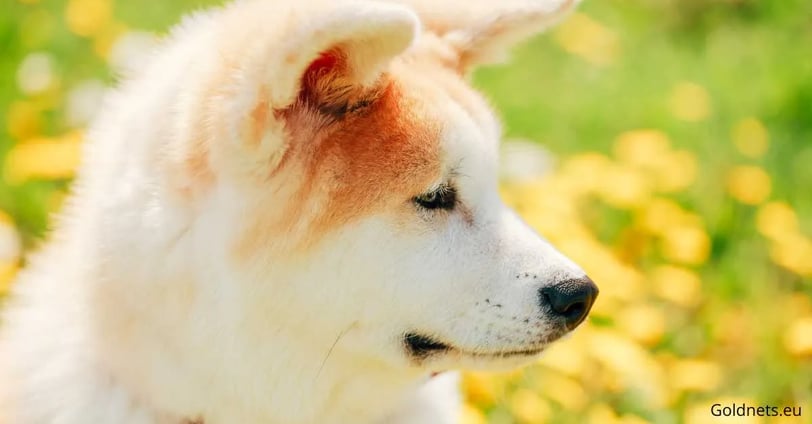
The Akita Inu dog, one of Japan's national treasures, is considered one of the most famous and impressive breeds in the world. This breed is a symbol of loyalty, courage and strength that has fascinated people for centuries. The original purpose of the Akita Inu was to be used for hunting, so it is not surprising that its appearance and temperament reflect its work orientation. Today, it is a recognized and popular dog breed in many parts of the world, which is especially popular among dog lovers.
The loyalty that characterizes the character of the Akita Inu can also be seen in action in its infamous role as a faithful companion, such as Hachiko, about whom we know a heartbreaking story. Akita Inu dogs have a strong protective instinct, which is why they are often chosen as house guards, family dogs, and competition dogs in various agility and obedience competitions. The breed's independent nature appeals to many owners who are looking for a dog that is not only a companion, but also enjoys spending time outdoors.
The purpose of this article is to provide detailed and comprehensive information about the Akita Inu breed, including history, characteristics, grooming, and the importance of social interaction. We hope that the information provided here will help potential owners and those interested to better understand this special breed of dog and its needs and characteristics. The Akita Inu is a truly remarkable dog that deserves a place in our hearts and homes.
History and origin of the Akita Inu breed
The Akita Inu is a unique dog breed rooted in popular culture in Japan dating back to ancient times to fulfill a special role. The ancestors of the Akita evolved from the dogs of the conquering nomadic peoples, who were important companions during the hunt. The Akita Inu has become known as the dog of big game hunters, especially its role in bringing down larger game, such as wild boars and bears, with a glorious tradition.
The cultural importance of the Akita Inu has grown steadily throughout Japanese history. At the beginning of the 20th century, the breed was severely depleted and local breeders made dedicated efforts to preserve ancient and pure lines. It was then that the "kennel" system was created, which ensured the development of the Akita Inu's characteristics in order to stabilize the population. An important milestone was when the breed officially became a national treasure of Japan in 1931, which further increased the responsibility of the organizations managing the breed.
Legends and folk traditions are closely intertwined with the history of the Akita Inu. One of the most well-known stories is that of Hachiko, the famous Akita dog, who faithfully waited for his master at the train station for years, even after his master's death. This story shows not only the Akita's loyalty, but also the love and respect for the breed that has always been present in Japanese culture. The Akita Inu is therefore not just a breed of dog, but also a symbol of Japonism, which gives a deeper meaning to this fascinating breed.
Topic recommender
Staffordshire Bullterrier: Detailed Introduction to the Dog
The Basset Hound: The Professional Dog's Expert View
Coton de Tulear: Introducing the perfect pet dog breed
English Cocker Spaniel: The perfect companion and family dog
Appearance, build, coat
As a large hunting dog, the Akita Inu has an imposing appearance. Its body structure is strong and muscular, which is ideal for hunting tasks. The breed usually belongs to the medium to large size category, males weigh 45-65 kilograms, while females are slightly lighter, around 32-45 kilograms. Body height varies between 64-70 cm for males and 58-64 cm for females.
The type of coat is one of the defining elements of a dog's appearance. The Akita Inu has a double coat, the outer layer of which is thick, straight and stiff, while the inner layer consists of a soft, dense undercoat that protects the animal from harsh weather conditions. The maintenance of the coat is extremely important, as proper care contributes to the dog's health and appearance. The Akita Inu comes in a wide variety of colors, including white, fawn, brindle, and red. The single-colored or variegated pattern can also be observed in the case of adult individuals, which further emphasizes the diversity and aesthetics of the breed.
Sportiness is also a characteristic of this dog breed. The Akita Inu wants an active lifestyle and a lot of exercise, which contributes to maintaining its physical condition. The animal's stronger muscles, movement coordination and endurance allow it to successfully participate in various dog sports and competitions. The Akita Inu is not only a spectacular dog, but also an excellent sports companion with outstanding elegance.
Characteristics and behavior
The Akita Inu is a special breed known to be strong, brave and extremely loyal. The temperament of these dogs depends on many factors, including individual genetic background and previous socialization. The Akita Inu is generally confident, but sometimes aloof around strangers, which explains why they are considered great housekeepers.
The breed's activity level is medium, which means they require regular exercise, but are not as hyperactive as other breeds. Daily walks, games and various mental challenges can help maintain the Akita's optimal physical and mental condition. In order to satisfy the stimulation needs of dogs, it is important to take care of them and provide them with sufficient exercise and mental challenges.
Akita Inu socialization is essential for their development. When they are young, it is especially important that they meet different people, environments and other animals. This can help dogs become more confident and avoid shyness or aggression. After proper socialization, the Akita Inu is much more balanced and easier to handle.
In terms of their training needs, the Akita Inu is intelligent but can be stubborn, so it is important to use consistency and positive reinforcement. The best way to motivate dogs is with tasty rewards and loving praise. For older dogs, patience and consistency are key to effective training. Such approaches not only promote the desired behavior, but also strengthen the relationship between the two.
Health and care
The Akita Inu, as a breed, faces a variety of health challenges, including dysplasia, heart disease, and skin problems. Dysplasia, which means improper development of the joints, can especially occur in large dogs, so it is essential to carry out appropriate screening tests. Heart diseases can occur more often with advancing age, so regular veterinary check-ups are essential for early detection. Skin problems such as allergic reactions can also be a cause for concern as these can often develop into chronic conditions if not treated properly.
The key to prevention here is ensuring proper nutrition and an active lifestyle. The Akita Inu responds well to quality dog food that meets its nutritional needs while taking into account the specific characteristics of the breed. It is important to provide our dog with enough exercise, as regular exercise helps maintain a normal body weight and reduces the risk of obesity. In addition, socialization and mental stimulation are also important, as the Akita Inu is considered an intelligent and sensitive breed.
Proper care also includes regular routine examinations, which should be scheduled at least once a year. These tests enable the early detection of various health problems, so that owners can react in time. As the dog ages, it is necessary to pay attention to the dog's behavior and physical condition, as the needs of an adult Akita Inu may change, and ensuring proper care can contribute to a happy and healthy life.
Nutrition: Describe in detail what kind of nutrition the breed needs
The Akita Inu's nutritional needs vary significantly during different life stages, so it is important for owners to be aware of the ideal diet and the appropriate amount of food during these stages. Puppies, adult dogs and older dogs all have different nutritional needs.
It is recommended that puppies receive a high-protein, quality food that stimulates their growth and development. Such foods are usually available in the form of uncooked premium foods. The daily dose should be in the form of approximately 3-4 feedings, depending on the age of the puppy, which is usually determined by the veterinarian.
Adult Akita Inuks need a balanced diet rich in protein, fats and carbohydrates. The daily dose can be divided into 2-3 meals, including a sufficient amount of water. It is particularly important to ensure the dog's nutritional intake according to its body weight and activity level. The right balance helps you maintain a healthy weight and prevent various health problems.
In the case of older dogs, the amount of proteins and fats should be reduced, while the fiber content should be increased, as this promotes digestion. It's also worth keeping in mind the importance of nutritional supplements, such as omega-3 fatty acids, which can support joint health and coat condition. Monitoring your dog's nutritional needs can help maintain your Akita Inu's overall well-being and vitality.
Who is the Akita Inu recommended for?
The Akita Inu breed has special characteristics that make it not suitable for everyone. It is primarily recommended for those dog lovers who are experienced owners and already have knowledge in the field of dog breeding and training. The Akita Inu has an independent nature, and although it is a loving and loyal companion, it requires consistent training and socialization. That is why novice dog owners should carefully consider whether they have enough experience to successfully raise this breed.
The right environment is essential to ensure your dog's health and happiness. The Akita Inu prefers a country, spacious home where it has the opportunity to exercise and be outdoors. Housing in a panel house is not recommended, as the Akita needs to run and play outdoors. Larger gardens are ideal, where the dog can explore its surroundings and exercise its hunting instinct.
In addition, the Akita Inu requires commitment and attention. Their owners must ensure regular physical activity, as it is typical of the breed that they need exercise on a daily basis so that they do not become bored or hyperactive. The Akita Inu also adapts well to family life if it receives the right socialization, however, it is not recommended to live with other small pets, as it potentially does not get along with smaller animals due to its strong hunting instinct.
New research, stories and interviews
Interest in the Akita Inu breed has increased significantly in recent years, and as a result, many new researches and interviews have been conducted about the breed. In the latest scientific studies, researchers examine the social behavior and learning abilities of dogs, paying special attention to the special characteristics of the Akita Inu. The results show that this breed is highly intelligent and able to quickly adapt to new situations, which provides an outstanding experience for their owners.
Also, during interviews conducted by experts, many farmers shared their experiences of breeding and raising Akita Inuk. These discussions highlighted the strong loyalty and protective instincts of dogs, which can predispose them to protect their families and territories. In addition, the experience of owners has shown that proper socialization plays a key role in the successful upbringing of the Akita Inu, as early experiences determine the dog's interactions with other animals and people.
As a series of stories, both adults and children shared how their relationship with their pets developed. Experiences include going out with the dog, where the owners emphasized that the Akita Inu's deep connection lies in their love for nature. Such stories show not only the richness of the breed's character, but also how the bond between owner and dog is formed during the time they spend together.
Useful websites:noinet.hu